

.svg)


Whether you’re on a GLP-1 or trying to lose weight through other methods, the question of diet will inevitably come up. GLP-1s like semaglutide and tirzepatide are useful tools that have helped many people lose weight, but that doesn’t mean that what you eat (or don’t eat) no longer matters.
In this article, we’ll cover how GLP-1s work and what foods to eat or avoid while on a GLP-1. We’ll also provide tips on managing potential side effects and some GLP-1 meal ideas to incorporate into your meal planning.
What are GLP-1 medications and how do they affect diet?
Medications like Ozempic® and Wegovy® are GLP-1 receptor agonists that mimic a hormone the body naturally creates: glucagon-like peptide-1 (GLP-1).
GLP-1 plays several important roles in the body:
- Supports blood sugar regulation
- Slows gastric emptying
- Signals to the brain that you’re full
One of the most notable (and sometimes surprising) ways GLP-1 medications affect daily life is through gastric emptying, the rate at which food moves from your stomach into your small intestine. Food stays in your stomach longer, so you feel full sooner and stay satiated for longer.
Hunger cues can also shift. Many people on GLP-1 medications report experiencing less “food noise” and fewer cravings. Portions naturally shrink because people aren’t as preoccupied with thoughts of food and continual hunger cues.
Add all this together and your daily calorie intake will go down—and so should your weight.
Best foods to eat while on GLP-1 medications
Listening to your body is a different experience when you’re on a GLP-1. You might not crave the same things, and foods you had no trouble with before might make you feel nauseous or bloated.
On top of that, you might be missing out on nutrients you need if you’re eating less than you’re used to. For these reasons, what you eat on a GLP-1 matters very much, both for how you feel on the medication and how your body is able to function overall.
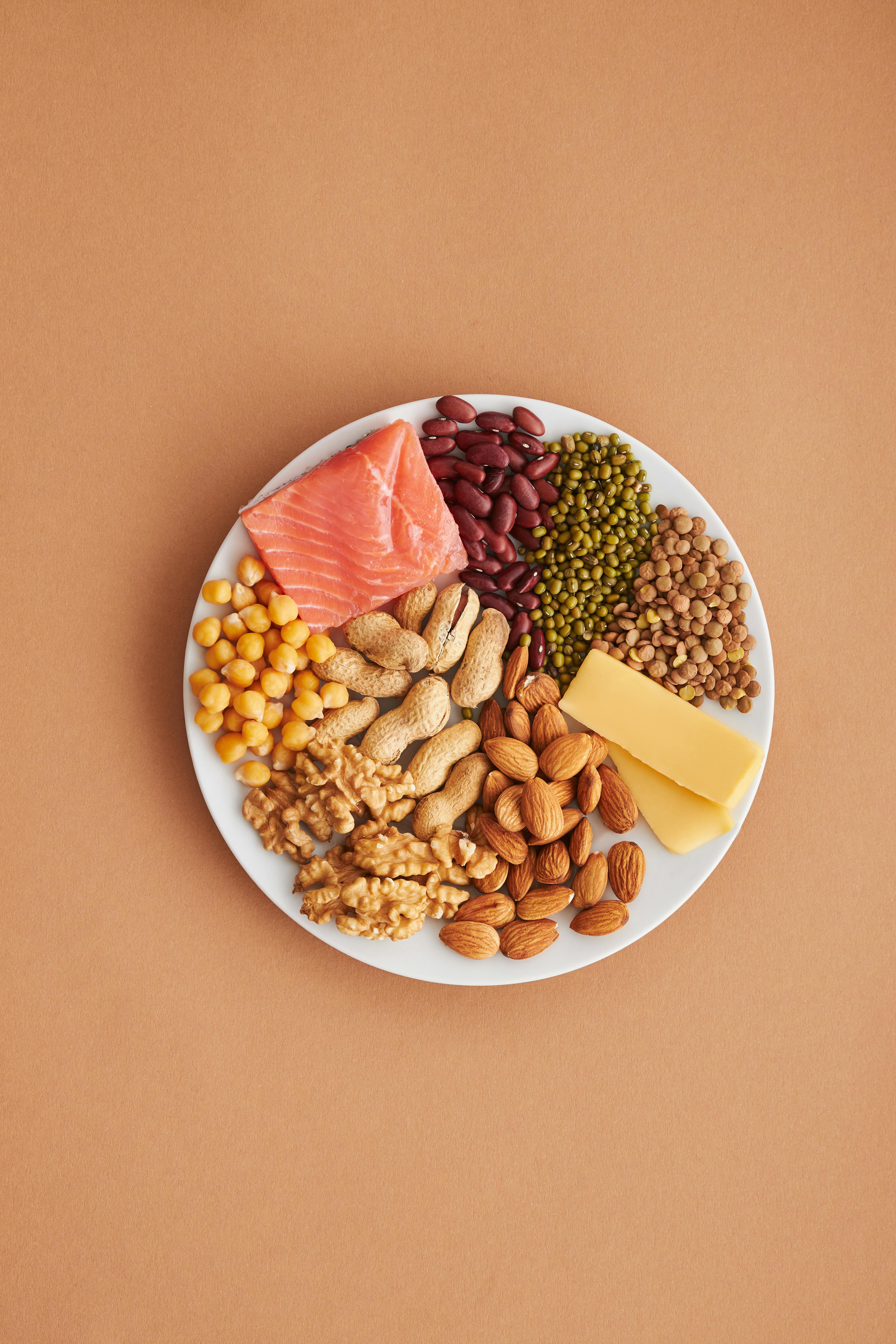
Here are some GLP-1 friendly foods to keep in regular rotation:
Lean protein
Muscle loss can accompany weight loss, especially if you lose weight quickly, so upping your protein intake while on a GLP-1 is important. The good news is that you can get your protein from a variety of sources: chicken, turkey, cottage cheese, eggs, seafood, tofu, and beans are all high-quality sources of lean protein.
If you’re still having trouble getting the protein you need, a supplement like Whey Chocolate Protein or Clear Protein Hydration can help you fill in the gaps.
Fiber
Like protein, fiber supports satiety, and it’s also good for gut health and digestion. Good sources include fiber-rich vegetables (leafy greens, green beans, zucchini, broccoli), beans and legumes, whole grains, fruit (especially berries, apples and pears with skin on, and kiwis), and nuts and seeds. A fiber supplement like Advanced Fiber+ can be a good option too.
Most people—whether they’re on a GLP-1 or not—don’t get enough fiber, so make sure you increase fiber gradually and to drink plenty of water with it. Doubling your fiber intake overnight will probably lead to some unpleasant gastrointestinal effects you'd rather avoid.
Healthy fats
Healthy fats support healthy hormone production and are essential for absorbing fat-soluble vitamins (A,D, E, K). Good sources include avocados, nuts, seeds, olive oil, and fatty fish. Moderate amounts of healthy fats are best for GLP-1 users, as overdoing it can cause digestive upset.
Hydration
Reduced appetite often means reduced thirst cues, and slower digestion makes adequate fluid intake even more important. Aim for at least 64 ounces of water per day, more if you exercise heavily. If you need to mix things up, unsweetened teas, sugar-free beverages, and bone broth can be lifesavers when you’re not in the mood for plain water.
Remember that hydrating foods count too! These include cucumbers, celery, watermelon, strawberries, lettuce, and zucchini.
Which foods should you avoid on GLP-1s?
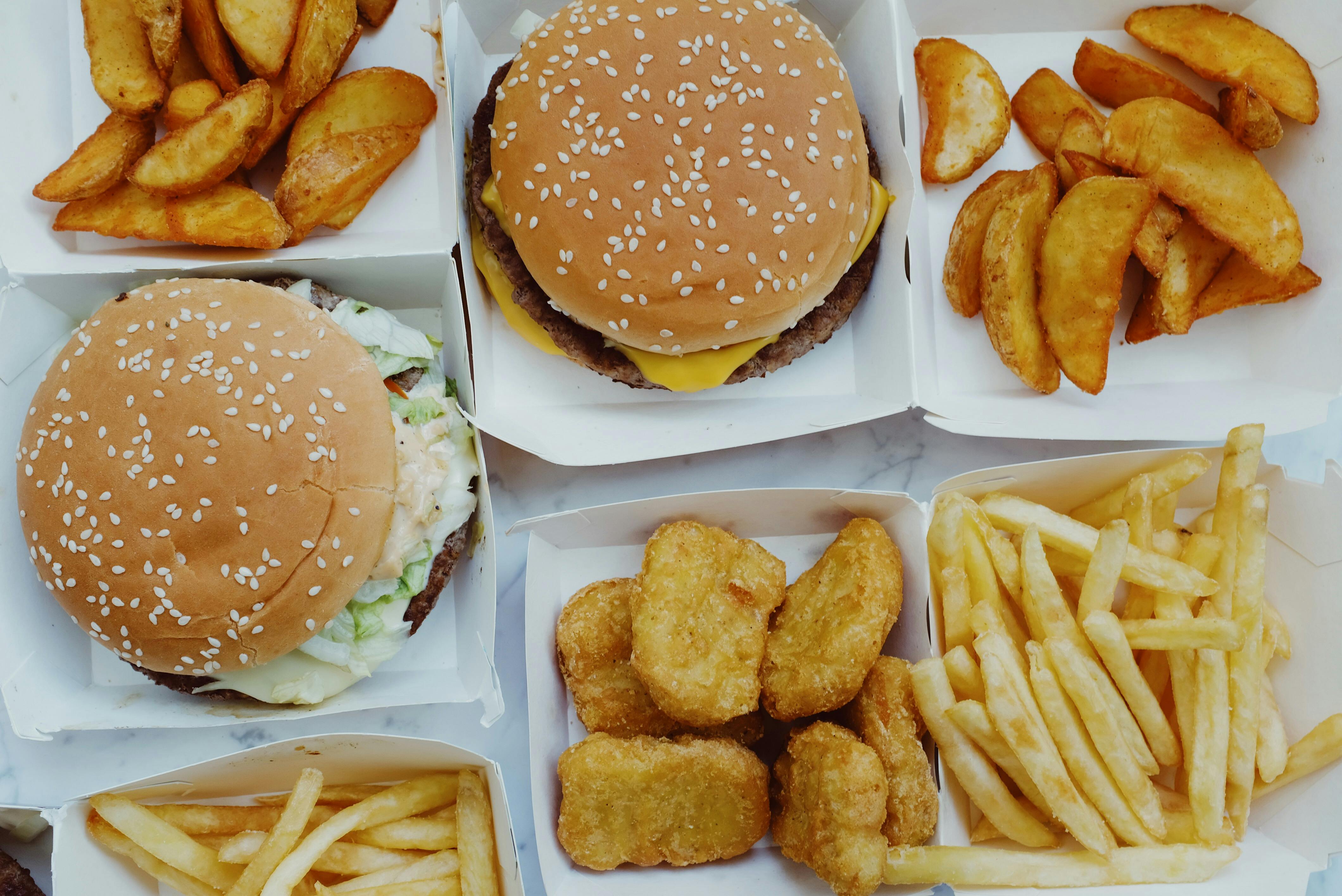
Some foods can exacerbate GLP-1 side effects, especially nausea and bloating. Avoid these foods if you’re on a GLP-1, especially at the start of treatment and after dose increases:
High-fat and fried foods
Greasy, high-fat foods take longer to digest, which can cause nausea on an already-slowed system. This includes fast food, fried chicken, donuts, heavy creams, and fatty cuts of meat.
Sugary and processed foods
Sugary foods and drinks spike blood sugar, which can counteract the medication’s glucose-regulating effects. Keep sugary beverages at the minimum, and limit candy, baked goods, cereal, and flavored yogurts.
Refined carbohydrates
White bread, white rice, pasta, bagels, crackers, chips—these foods digest quickly, spike blood sugar, and offer little nutritional value. When your calorie intake is lower, nutrient-dense foods should take priority over refined carbohydrates.
Carbonated drinks and caffeine
You might experience bloating and gas on GLP-1 therapy; carbonated drinks can make these symptoms worse. Furthermore, large amounts of caffeine can irritate the stomach lining and worsen acid reflux. 1–2 cups of coffee per day is generally considered okay, but avoid energy drinks, which are a triple threat for GI discomfort (caffeine, sugar, and carbonation).
Spicy foods
Spicy foods can irritate the GI tract and worsen nausea, especially in the early weeks of treatment.
Alcohol
While alcohol isn’t prohibited, GLP-1s can intensify the effects of alcohol and worsen GLP-1 side effects. If you do drink, drink in moderation and alternate with water—and don’t forget to eat first.
Other things to keep in mind
The perfect GLP-1 meal plan doesn’t exist, because no two people will respond to treatment in the exact same way. If you’re feeling overwhelmed by the GLP-1 “don’ts” list, keep the following guidelines in mind:
- Trigger foods are individual. Keeping a food journal during your first few months of treatment can help you keep track of which foods are most likely to cause gastrointestinal symptoms.
- Dose increase weeks are the most sensitive. Be especially conservative about food choices at the start of treatment and after dose increases.
- General rule of thumb: If a food is high in fat, high in sugar, or heavily processed, treat it with caution.
The goal isn’t to follow these guidelines perfectly, but to build a pattern of choices that supports your body and keeps you comfortable.
Can you eat eggs on Ozempic®?
Some have reported nausea when eating eggs on a GLP-1 (possibly due to the fat content), so you might be surprised that they aren’t on the “avoid” list. However, there is no blanket restriction on eggs for GLP-1 users, as most people can safely eat eggs on Ozempic® or another GLP-1 (unless they have an individual tolerance or allergies).
If you’re concerned, monitor how your body reacts after eating eggs and adjust as needed based on your own comfort and provider guidance.
Tips for managing diet-related side effects
Most of the time, side effects are mild to moderate and fade over time as your body adjusts to the GLP-1 medication and diet changes. These tips can help keep side effects to a minimum:
- Eat slowly. When we eat quickly, we can miss the fullness cues our brains are sending us, leading to that uncomfortably full feeling. Slowing down helps ensure you stop eating at the right time.
- Eat smaller meals more frequently. Large meals can be difficult to handle when you’re on a GLP-1, so you might need to adjust your meal schedule to accommodate. Consider eating 5–6 smaller meals throughout the day rather than 2–3 large ones.
- Sip fluids throughout the day. Get in the habit of drinking water throughout the day rather than waiting until you’re thirsty. It’s also best to avoid drinking a lot during meals, as this can worsen nausea.
- Prioritize bland foods if needed. If you’re feeling nauseous but need to eat something, sometimes the best you can do is make toast, pull out the applesauce, or cook some rice. If nausea persists or worse, reach out to your provider.
- Track your food intake. Know what your body responds positively to while on a GLP-1, and what it doesn’t. Tracking your food for the first few months can help you make informed decisions about your GLP-1 diet long term.
Persistent or severe GI symptoms should always be discussed with your provider.
Sample GLP-1 friendly meal ideas
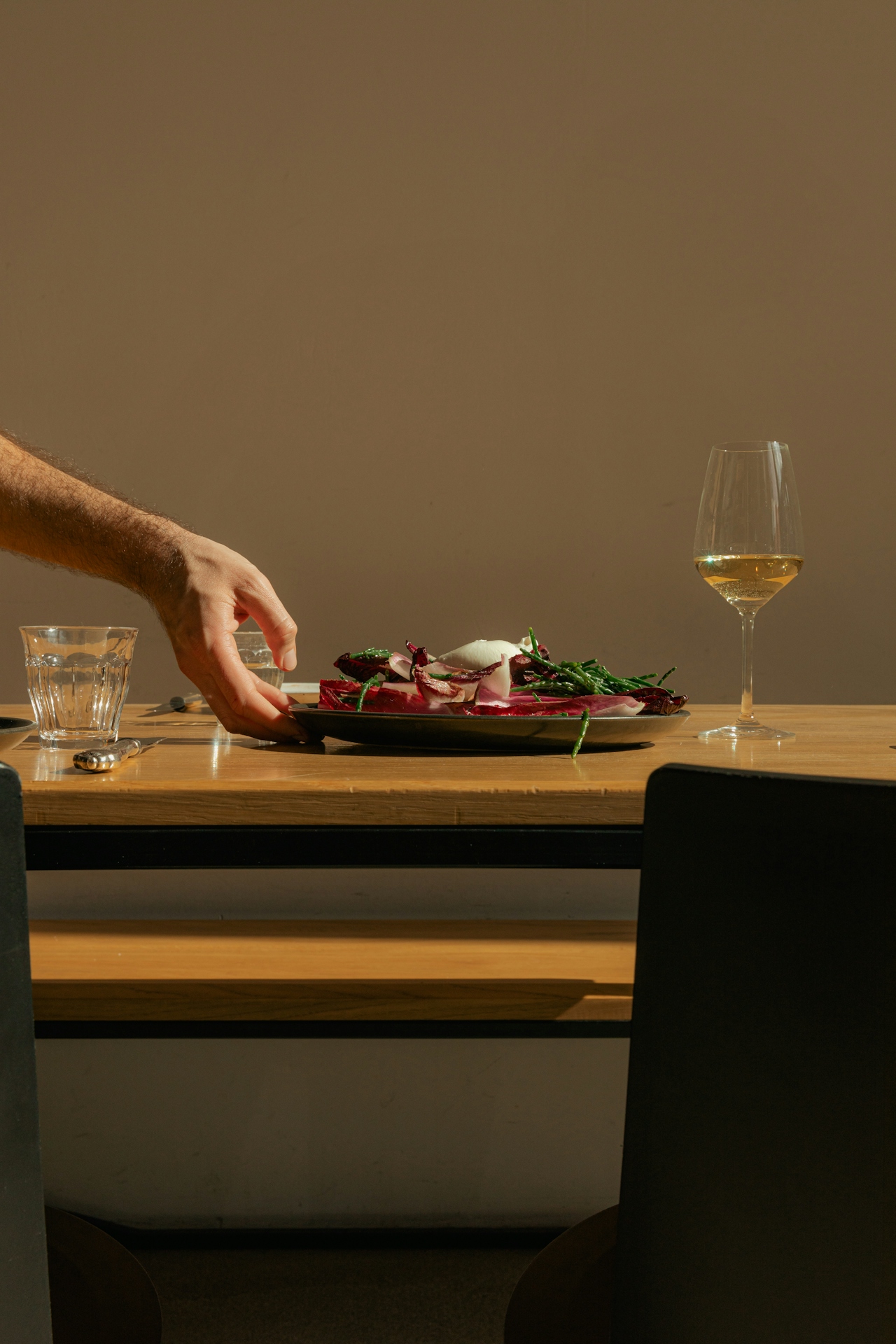
Ready to put it all together? Here are some GLP-1 meal ideas to get you started.
Breakfast
- Greek yogurt parfait: Plain Greek yogurt with berries, walnuts, chia seeds, and a drizzle of honey.
- Egg bites with berries: Eggs + your favorite add-ins with berries on the side.
- Overnight oats: Prep the night before and enjoy in the morning. Shake things up with Shed’s Cinnamon Roll Overnight Oats with Icing, Chocolate-Covered Strawberry Overnight Oats, and Brownie Batter Overnight Oats recipes.
- Cottage cheese bowl: Cottage cheese topped with your favorite fruit and a sprinkle of cinnamon. Prefer a chocolate and peanut butter combo? Try our Peanut Butter Chocolate Cup with Cottage Cheese!
Check out Shed’s blog for more GLP-1 breakfast ideas.
Lunch
- Grilled chicken salad with mixed greens and vinaigrette dressing
- Salmon and avocado rice bowl: A small portion of brown rice or quinoa topped with flaked salmon, sliced avocado, cucumber, edamame, and a light drizzle of low-sodium soy sauce or sesame dressing.
- Lentil and roasted veggie wrap: Seasoned green lentils with roasted zucchini, red pepper, and hummus wrapped in a whole-grain or spinach tortilla.
- Egg salad on cucumber rounds: A lighter take on the classic. Use Greek yogurt instead of mayo to keep it protein-rich without excess fat.
- Chicken and vegetable soup: Shredded chicken in a light bone broth with zucchini, carrots, and celery.
Dinner
- Baked salmon with roasted asparagus and quinoa: A classic GLP-1 friendly plate: omega-3s, fiber, and protein in one meal.
- Slow-cooker chicken thighs with white beans and spinach: Chicken in a light tomato broth with cannellini beans and wilted spinach. Easy to make in large batches to feed the family or to keep for leftovers.
- Shrimp stir-fry: Shrimp sauteed in olive oil with bok choy, snap peas, and light ginger-soy sauce over a small serving of brown rice or cauliflower rice.
- Turkey meatballs with zucchini noodles: Lean turkey meatballs in a simple marinara sauce over spiralized zucchini noodles.
- Chickpea and spinach coconut curry: Chickpeas simmered in light coconut milk broth with spinach, tomatoes, ginger, and warming spices. Serve over brown rice or cauliflower rice.
Snacks
- Hard-boiled eggs with grape tomatoes
- Apple or handful of berries
- Celery or bell peppers with hummus
- Protein shake
- Handful of pistachios with a few pieces of dark chocolate
FAQs
Are fruits safe to eat while on a GLP-1 medication?
Yes. Fruit is safe and encouraged for individuals on GLP-1 medications, especially whole fruits. The fiber in whole fruit slows glucose absorption, complementing the blood sugar regulating effects of GLP-1 medications. The best fruits for GLP-1 users include berries, kiwis, apples and pears with skin on, and citrus fruits. If whole fruits aren’t available, combining fruit with protein or healthy fat (such as plain Greek yogurt or nuts) can help with blood sugar regulation.
Can I follow keto, low-carb, or plant-based diets with GLP-1s?
GLP-1 medications are compatible with a range of diet plans, but a balanced eating approach with high fiber and protein is recommended. If you have certain diet restrictions, work with a nutritionist to ensure you’re meeting your nutrient needs.
How much protein do I need on a GLP-1?
Most GLP-1 users should aim for 25–30 grams of protein per meal, or roughly 1.2–1.6 grams of protein per kilogram of body weight per day, depending on activity level and weight-loss goals.
What should I eat on GLP-1 injection day?
30 minutes before injecting, eat a small snack that’s high in protein, high in fiber, and low in fat—do not inject on an empty stomach. For the next 48 hours, try to keep something in your stomach at all times and prioritize gentle, easy-to-digest foods to minimize nausea and GI discomfort. These can include plain oatmeal, cottage cheese, plain rice or toast, bone broth, and applesauce. Many GLP-1 users find the first 48 hours after an injection to be their most sensitive period, especially after a dose increase. Adjusting your food choices on these days can make a big difference in overall tolerance and comfort.
What do I do if I have persistent nausea or GI upset?
Eat smaller, more frequent meals spread throughout the day, eat slowly, avoid lying down after eating, and prioritize bland foods like rice, oatmeal, toast, and bananas during flare-ups. If nausea is severe or persists for several weeks, contact your healthcare provider.
Building a sustainable GLP-1 nutrition plan
The right diet supports you in any health endeavor, especially losing weight. But remember that “diet” in this case isn’t about restriction; it’s about ensuring you’re getting the nutrients you need and eating the foods that help you feel your best.
See more tips on healthy living on Shed’s blog. Shed also offers Health Coaching and other resources to support you on your health journey. Visit tryshed.com today to learn more.
This content has been reviewed by a licensed dietitian for educational purposes. It is not a substitute for medical advice.