



.svg)


GLP-1 medications have reshaped how obesity is treated. Drugs like semaglutide and tirzepatide have helped people lose weight in ways that weren’t possible a decade ago; those who have struggled to manage weight through other methods have especially benefitted from GLP-1s.
But like any medication that alters how the body functions, GLP-1s can come with side effects, especially at the beginning of treatment.
If you’re considering GLP-1 treatment or have recently started, understanding why side effects happen, which ones are most common, and how long they typically last can help you set realistic expectations and stay on track with your goals.
Why GLP-1 medications cause side effects
GLP-1 receptor agonists work by mimicking a naturally occurring hormone called glucagon-like peptide-1 (GLP-1). This hormone plays a key role in digestion and blood sugar regulation:
- Slows stomach emptying
- Signals to the brain that you’re full
- Reduces appetite
- Improves insulin response
- Helps regulate blood sugar
These effects are exactly what can make GLP-1s effective for weight loss, but they can also cause gastrointestinal side effects while they’re at it.
Side effects are most common when first starting treatment, after dose increases, and after eating large, high-fat, or greasy meals. For most people, side effects are mild to moderate and subside as the body adapts to treatment.
Common GLP-1 side effects
Below are some of the most frequently reported GLP-1 side effects, along with what typically causes them and when they tend to occur.
Nausea
Nausea is the most common GLP-1 side effect, especially during the first few weeks of treatment.
Because GLP-1s slow digestion and increase feelings of fullness, food may sit in the stomach longer than your body is used to. This can make you feel queasy, especially after eating large meals.
👉 Learn more: Why nausea happens on GLP-1 medications and what to do about it
Vomiting
Vomiting is less common than nausea, but it can happen if nausea becomes severe or if meals are too large or rich.
This side effect is more likely to happen early in treatment, after a dose increase, or after eating too much or too quickly. If vomiting persists, talk to your provider.
Diarrhea
GLP-1 medications can alter gut motility, leading to looser or more frequent stools.
This is usually temporary and may improve with hydration, adjustments to your diet, or slower dose titration.
Constipation
While some people experience diarrhea, others experience the opposite. Constipation on GLP-1s may be caused by reduced food intake, slower digestion, or dehydration.
Eating more fiber, drinking more water, and moving more throughout the day can all help relieve constipation. Persistent constipation should not be ignored, so if problems persist, see your provider as soon as possible.
👉 Learn more: How to prevent constipation on a GLP-1
Bloating
Food moves more slowly through the digestive tract when you’re on a GLP-1, which can make you feel bloated or overfull, even if you haven’t eaten much.
Eating smaller portions and avoiding carbonated drinks can help with GLP-1 bloating.
Decreased appetite
While this is one of the intended effects of GLP-1 medications, having less of an appetite can lead to consequences you don’t want. Some people forget to eat, lose interest in food, or feel full a lot quicker than they’re used to, so they naturally eat less.
However, it’s still important to meet your nutritional needs, even if your hunger and appetite cues are different. It’s always important to get your calories from nutritious sources, but this is especially true if you’re eating less than normal.
Abdominal discomfort
This can include cramping, pressure, or mild pain, which is usually related to slower digestion.
Abdominal discomfort usually improves as your body adapts, but severe or persistent pain should be evaluated by your provider immediately.
Indigestion
Slower stomach emptying can increase the likelihood of indigestion or reflex symptoms, including heartburn, especially if you already have a history of reflux issues.
You might feel heartburn if you lie down soon after eating or after eating spicy or fried foods.
👉 Learn more: 6 tips for managing heartburn while on a GLP-1
Burps
Some people on GLP-1 medications report frequent burping, sometimes described as having a sulfur or egg-like smell.
This can happen because food stays in the stomach longer due to delayed gastric emptying. Changes in gut bacteria can also occur with altered eating patterns.
👉 Learn more: How to stop sulphur burps on a GLP-1
Fatigue
Some people experience fatigue or low energy after starting GLP-1 treatment. This can be due to reduced calorie intake, blood sugar shifts, or simply your body adjusting to metabolic changes.
Energy levels usually improve once new eating patterns stabilize.
👉 Learn more: 14 tips to manage fatigue while on semaglutide or tirzepatide
Body aches
Some people report generalized body aches, muscle soreness, or joint discomfort, especially during the early weeks of GLP-1 treatment.
This could be due to calorie reduction, metabolic changes, dehydration, or changes in activity levels during weight loss. Body aches are typically mild and improve as the body gets used to GLP-1 medication.
👉 Learn more: 6 possible reasons GLP-1 medications may cause body aches
Headaches
Headaches are common during any adjustment period. During GLP-1 treatment, headaches are sometimes related to dehydration, lower calorie intake, and blood sugar changes.
Staying hydrated and eating regularly (even if you’re not hungry at mealtimes) can reduce headache risk.
👉 Learn more: 5 effective ways to relieve semaglutide headaches
Injection site reactions
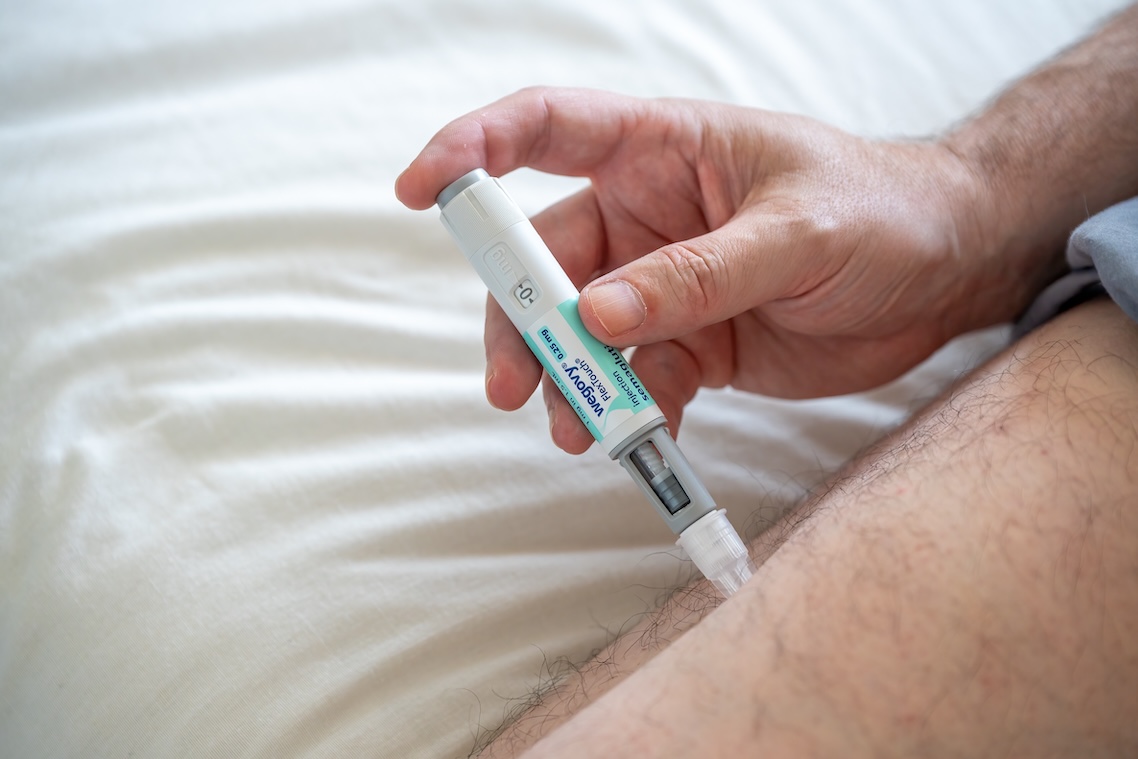
If you’re taking a GLP-1 injection, mild injection site reactions can occur. These may include redness, swelling, itching, or tenderness.
Rotating injection sites and using proper technique can help prevent ongoing reactions.
👉 Learn more: Why rotating injection sites matters for GLP-1 medications
Possible indirect effects of GLP-1 medications
You may have heard people talk about changes in appearance beyond weight loss or hormone balance disruptions after starting a GLP-1. These aren’t caused directly by GLP-1 medications, but they can happen due to rapid weight loss or other metabolic changes that take place during GLP-1 treatment.
Hair loss
GLP-1s don’t cause hair loss, but some GLP-1 users have noticed hair loss after starting treatment. This is likely related to rapid weight loss, nutritional deficiencies, or stress.
This type of hair loss is usually temporary, but if it persists, reach out to your provider, who can help you determine the root cause.
👉 Learn more: How to support hair health while on a GLP-1
Period changes
GLP-1s don’t directly act on reproductive hormones like estrogen and progesterone. However, the metabolic changes that can occur with weight loss can disrupt your cycle’s flow, intensity, or timing.
If you experience period changes while on a GLP-1, it may be a result of changes in body fat, improved insulin sensitivity, or other lifestyle changes. Talk to your provider if issues persist.
👉 Learn more: What to know about menstrual changes on a GLP-1
Skin aging
Rapid weight loss can change your appearance in lots of different ways. One a lot of people don’t expect is changes to their skin.
GLP-1s don’t affect how quickly your skin ages, but rapid fat loss can lead to a hollow or sunken appearance in the face or loose and saggy skin throughout the body. A slow and steady approach to weight loss is best to give your skin time to adjust to the changes happening in your body.
👉 Learn more: Tips to protect skin appearance while losing weight
Rare but serious GLP-1 side effects
Serious side effects from GLP-1 medications are rare, but may include:
- Pancreatitis
- Gallbladder problems (abdominal pain, fever, jaundice, persistent nausea)
- Changes in kidney function
- Serious GI symptoms (persistent diarrhea or vomiting)
If you experience severe abdominal pain, jaundice, dehydration, or significant changes in urination or swelling, rehydrate and report to your doctor immediately.
While also rare, some patients may experience hypersensitivity reactions to GLP-1s, which can include hives, swelling, or trouble breathing. Patients should seek urgent care immediately if they suspect they are having an allergic reaction.
How long do GLP-1 side effects last?
For most people, GLP-1 side effects are strongest during the first few months and gradually subside as the body adjusts. Even for those who have more disruptive side effects, patients have options: slowing titration, switching to a different GLP-1 type, or making dietary changes.
Meeting with your provider regularly is an important part of side effect management. It can take time to find the right dose and medication type, but for many, patience pays off.
👉 Learn more: 8 steps to mitigate GLP-1 side effects
When to talk to your provider about GLP-1 side effects
Most GLP-1 side effects are manageable and subside with time. However, you should contact your provider if you experience:
- Persistent vomiting or dehydration
- Severe abdominal pain
- Inability to eat for multiple days
- Side effects that worsen instead of improve
Ongoing support and provider-led dose adjustments can be the difference between stopping treatment and reaching your goals, so keep your provider in the loop about what’s going on. Every person’s weight-loss journey is different, but with so many treatment options available, most are able to find a manageable path that leads to real results.
FAQs: GLP-1 side effects
Are GLP-1 side effects dangerous?
For most people, GLP-1 side effects are not dangerous. The majority of reported side effects are mild to moderate and subside as the body adjusts.
Serious side effects like pancreatitis, gallbladder problems, or kidney-related issues are rare, especially when prescribed appropriately by a licensed provider. If side effects are severe, persistent, or getting worse, contact your healthcare provider promptly.
What are the long-term side effects of GLP-1 medications?
Current evidence suggests that most GLP-1 side effects are short term, occurring primarily during the first weeks or months of treatment. Many report that symptoms improve or resolve entirely once their dose stabilizes and their body adjusts.
Long-term GLP-1 use hasn’t been consistently linked to progressive or cumulative side effects in most patients. Long-term safety is best supported by regular follow-ups, behavioral support, adequate nutrition and hydration, and regular exercise.
Do GLP-1 side effects get worse over time?
In most cases, no. GLP-1 side effects are typically most noticeable at the beginning of treatment and after dose increases. As the body adapts, side effects often become less frequent or disappear entirely.
Should I stop GLP-1 medication if I have side effects?
If side effects are mild, this is not usually a reason to stop GLP-1 treatment. Many symptoms can be managed through dose adjustments, dietary changes, hydration and nutritional support, and regular exercise.
However, if symptoms are severe or don’t get better with time, your doctor might recommend changes to your treatment plan. Always consult with a provider before making adjustments to your dose.
This information is for educational purposes only and is not a substitute for medical advice. Please consult your healthcare provider before starting or changing any medication.