

.svg)


Some people notice an unexpected side effect after being on semaglutide or tirzepatide for a while: hair loss.
While weight loss is something people expect from GLP-1 medications, hair loss isn’t. However, the medication itself doesn’t actually cause hair loss—but rapid weight loss can. Increased hair shedding is usually a sign that your body is adapting to sudden weight or metabolic changes.
Still, hair loss isn’t something anyone wants while they’re on a weight-loss journey. In this article, we’ll walk you through why hair loss during weight loss can happen and what you can do to support your hair as your body adjusts.
Why rapid weight loss can trigger hair shedding
Hair loss while on a GLP-1 is relatively uncommon, but there are a number of reasons why rapid weight loss can trigger shedding.
1. Telogen effluvium (most common reason)
Many people think tirzepatide or semaglutide cause hair loss because shedding starts weeks or months after starting treatment. But this timing actually matches the normal telogen hair cycle.
Telogen effluvium is a temporary shedding condition triggered by physical stressors, which can include rapid weight loss. More hair follicles than usual shift into the shedding phase during this time, which leads to more hair loss than normal.
Shedding usually starts 2–3 months after the stress trigger—or, when you started to lose weight—and in most cases resolves once weight stabilizes. The good news is that hair follicles aren’t damaged, so in most cases, hair growth should go back to normal once your body has adapted to the medication and metabolic changes.
2. Calorie and nutrient gaps
Hair growth requires steady energy and nutrients. During GLP-1 treatment, you likely won’t be eating as much as you used to, which can leave some nutrient gaps in your diet. If your calorie intake has suddenly dropped, your body prioritizes supporting essential organs over hair growth.
Low levels of the following nutrients are commonly linked to hair loss:
- Protein
- Iron
- Zinc
- Vitamin D
- B vitamins
Even moderate dips in these nutrients can shake your hair growth for a while. This is one of many reasons providers emphasize the importance of a balanced diet while on a GLP-1.
3. Not enough protein
If it feels like everyone is talking about protein these days, you’re not wrong—it’s one of our essential macronutrients for a reason. In addition to supporting lean muscle mass during weight loss, protein is also important for hair health, as hair follicles are highly metabolically active.
If you think you might not be getting the nutrients you need while losing weight, upping your protein intake is a good place to start.
Will hair grow back after GLP-1–related hair loss?
In most cases, yes, but because the hair-growth cycle is slow, it can take some time.
Here’s what a hair pattern could look like for someone who has lost weight quickly:
- Trigger: rapid weight loss, stress, illness, surgery, etc.
- 2–3 months later: shedding begins
- 3–6 months from trigger: shedding continues
- 6 months after trigger: regrowth begins as metabolism stabilizes
Most hair loss cases resolve with metabolic stability and improved nutrition.
How to support hair health while on a GLP-1
Your hair can be a reflection of your lifestyle. These habits in particular support stronger, healthier-looking hair—and support overall wellness, too.
Lose weight gradually
Rapid weight loss can be a shock to the system. Slow and steady is best, as this gives your body more time to adjust to metabolic changes.
Prioritize protein at every meal
Individual protein needs vary, but try to get 20–40 grams of protein per meal. For snacks, aim for 10–20 grams. It’s best to space protein intake throughout the day rather than consuming it all at once.
If you’re struggling to meet your protein needs from diet alone, Shed’s Clear Protein Hydration or Whey Chocolate Protein can help fill in the gaps!
Feed your hair with hair-supporting nutrients
Focus on foods rich in iron, zinc, B12, and vitamin D. Omega-3s and antioxidants are good hair-supporting nutrients, too.
For additional hair support, try Shed’s Triple Beauty Blend, which is formulated with collagen, colostrum, and ceramosides to support hair strength.
Drink plenty of water
Water supports nutrient delivery to the hair follicles, supporting hair growth and scalp health. GLP-1 medications can be dehydrating, so be extra vigilant about drinking at least 64 oz. of water per day.
Support your scalp
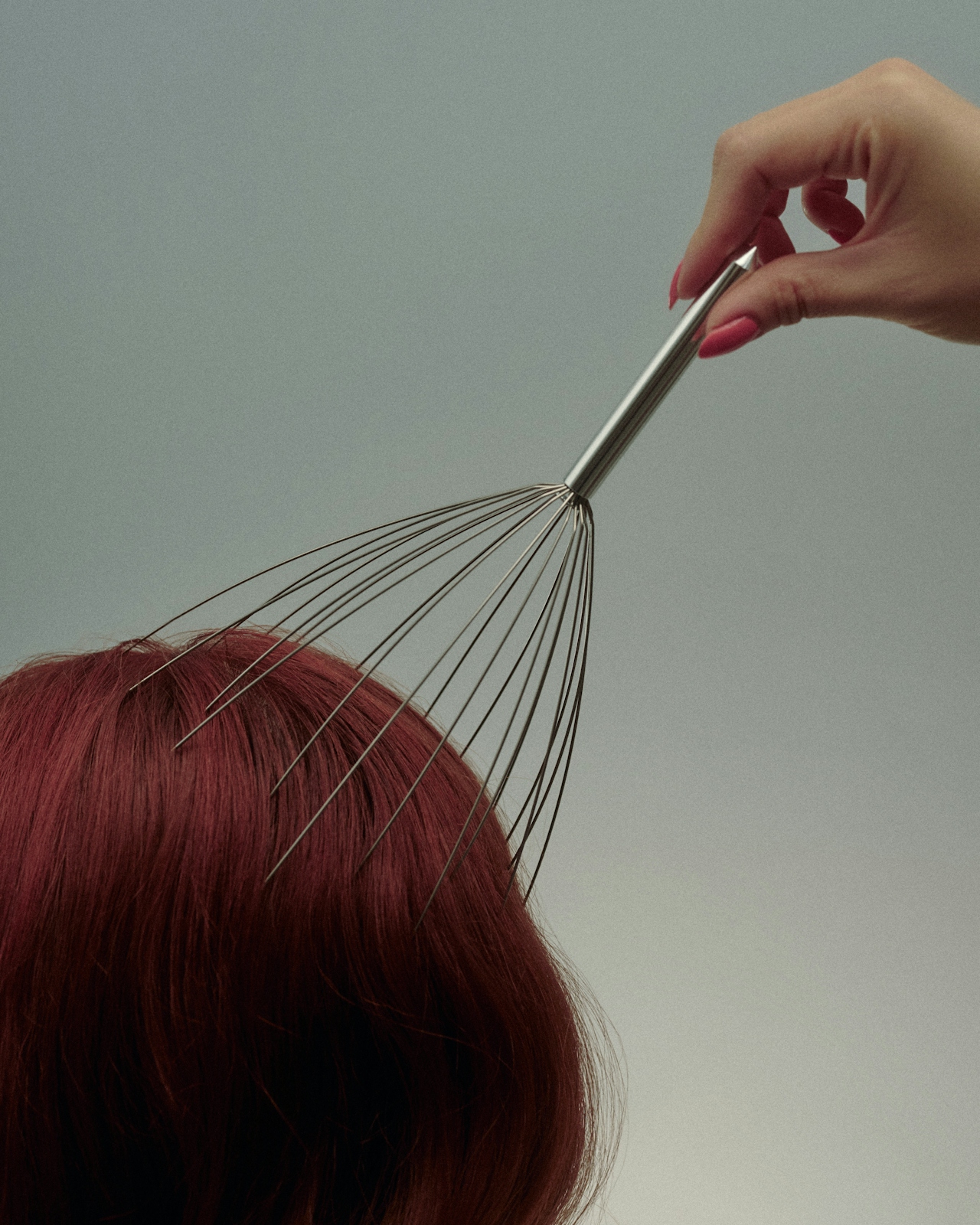
Your scalp is the soil for your hair. If it is inflamed, clogged, or dry, your hair follicles can suffer. Gentle scalp massages help to improve blood flow, which supports hair growth.
Be gentle with your hair
Avoid harsh chemicals, heat styling, and tight hair styles. If you need your hair out of your way, opt for headbands or loose elastics (spiral hair ties can also work), and always use heat protectant before blow-drying or heat-styling hair.
Manage stress
When left unchecked, stress can come back to haunt you in a variety of ways, including your hair health. Make sure you’re getting the sleep and relaxation time you need each day, and never underestimate the power of saying no, especially when your schedule is jam-packed.
The bigger picture: Temporary shedding vs. long-term health
If you notice increased hair shedding a few months after losing weight on a GLP-1, you might be tempted to stop treatment. But remember this: it’s not the medication that’s causing hair loss, but rather your body’s response to rapid weight loss.
For most people, the benefits of GLP-1 treatment outweigh the potential risk of hair loss from losing weight. If hair shedding does occur, it’s usually temporary and doesn’t cause permanent damage.
With the right support, you can protect your health and your hair. Visit tryshed.com to learn more.
FAQs: Hair loss and GLP-1 medications
Does semaglutide or tirzepatide cause permanent hair loss?
No. Most cases of hair loss during GLP-1 treatment are due to rapid weight loss, not the medication itself.
Why am I losing hair months after starting a GLP-1?
Telogen effluvium, temporary shedding triggered by physical stressors, takes a few months to appear due to the way the hair-growth cycle works. Shedding caused by rapid weight loss often appears 2–3 months after weight loss begins.
Should I stop GLP-1 medication if I notice hair loss?
Talk to your provider if you’re concerned about hair shedding during treatment; do not stop or adjust your dose on your own. For most people, hair growth goes back to normal once the body has adjusted to metabolic changes caused by weight loss.
How long does it take for hair to grow back?
Many people start to see regrowth after about three months of shedding, though full density recovery can take longer.
When should I see a provider about GLP-1 hair loss?
If shedding lasts longer than 6–9 months, is patchy, or includes scalp symptoms, contact your provider or dermatologist.
This information is for educational purposes only and is not a substitute for medical advice. Please consult your healthcare provider before starting or changing any medication.