




.svg)


If you’re exploring a GLP-1 for weight-loss support, you might be wondering how it will affect you beyond weight loss. For example, some women notice period changes after starting tirzepatide or semaglutide. But is this actually caused by the medication, or is something else going on?
This is a common question. Let’s unpack what the science says about tirzepatide and menstrual health.
How tirzepatide works
Tirzepatide is a dual GLP-1/GIP receptor agonist used to treat type 2 diabetes and chronic weight management. Its job is to help regulate appetite, improve insulin sensitivity, and support weight loss when combined with balanced nutrition and regular movement.
While tirzepatide works by mimicking two hormones the body naturally produces (GLP-1 and GIP), it does not target reproductive hormones like estrogen or progesterone—the hormones that control ovulation and your menstrual cycle.
So, can tirzepatide affect your period?
GLP-1s like tirzepatide do not directly act on reproductive hormones. Tirzepatide’s primary function is to regulate blood sugar levels and slow digestion.
That being said, tirzepatide may indirectly affect your period because of the metabolic changes that often occur with weight loss.
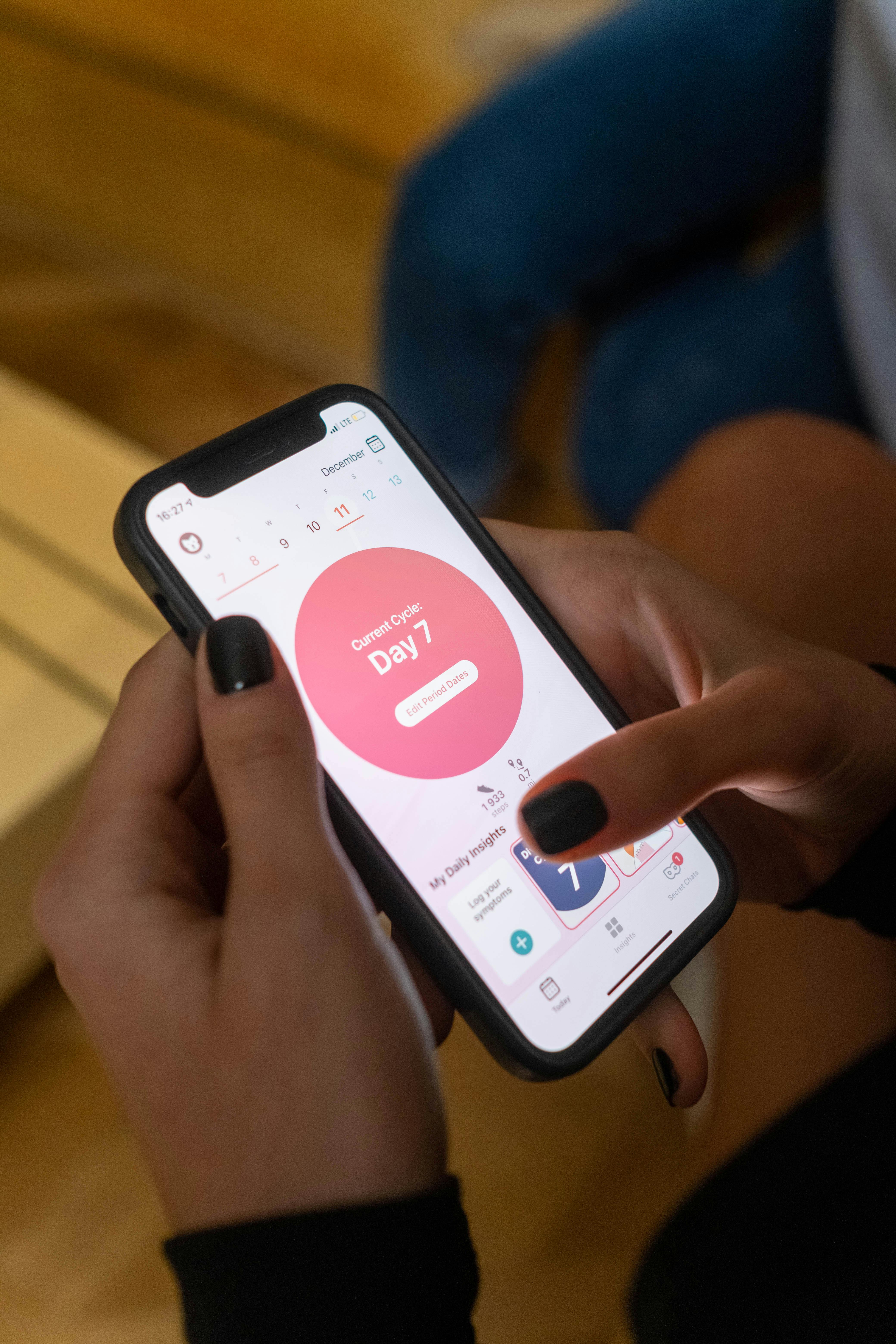
How tirzepatide may indirectly affect your period
As you may have noticed, your menstrual cycle is sensitive to changes in hormone balance, diet, energy, and overall metabolic health. Here’s how tirzepatide-related weight loss may play a role in period changes:
1. Changes in body fat and estrogen
Body fat contributes to estrogen production. When you lose weight—especially if you lose weight quickly—estrogen levels can temporarily shift, which may affect cycle timing, flow, or symptoms.
2. Improved insulin sensitivity
Tirzepatide may support insulin sensitivity, which can influence hormonal signalling between your brain and ovaries. As signalling recalibrates, temporary menstrual changes may occur.
3. Reduced calorie intake
Reduced appetite usually means lower calorie intake, which can lead to nutritional deficiencies if you’re not intentional about choosing nutritionally dense foods. If your body senses insufficient energy availability, it may delay or suppress ovulation.
4. Lifestyle changes
Your life might look a little different since starting tirzepatide. Maybe you have more energy to work out. Maybe it’s been stressful adapting to weekly injections or navigating side effects. Your hormones notice these lifestyle changes and may make their own changes to adjust to what’s happening in your body, which might lead to temporary period changes.
Common period changes after starting tirzepatide
While menstrual changes are not listed as a side effect of tirzepatide, some people report:
- Irregular or delayed periods
- Lighter or heavier flow
- Spotting between cycles
- Missed periods during rapid weight loss
- Cycles that take several months to normalize
Remember, tirzepatide doesn’t directly cause menstrual changes. Period changes on tirzepatide are similar to what’s been seen with other significant weight-loss approaches, including surgery, diet changes, and intense exercise. These changes are a reflection of your body’s metabolic health rather than a direct result of GLP-1 medication.
Most tirzepatide side effects are GI related. See our side effects page to learn more about tirzepatide side effects.
When to talk to your provider
It is possible to miss a period during rapid weight loss or metabolic change, but it’s not something you want to ignore if it persists long term.
Talk to your provider if any of the following occurs:
- You miss three consecutive periods
- Your period stops entirely
- Bleeding becomes unusually heavy or prolonged
- You experience significant pelvic pain or other new symptoms
Your provider can help determine whether menstrual changes are related to weight loss, nutrition, or another cause.

How to support menstrual health while taking tirzepatide
If you’re taking tirzepatide and want to support a healthy menstrual cycle, these tips can help.
- Prioritize balanced nutrition, including plenty of protein, fiber, iron, and healthy fats.
- Avoid extreme calorie restriction. Even if you don’t have much of an appetite, your body still needs nutrition. Switch to smaller, more frequent meals if three big meals a day feels like too much, and choose whole, nutrient-dense foods over ultra-processed foods as much as possible.
- Track your menstrual cycle. This will help you spot changes early and keep track of new patterns over time.
- Stay hydrated. Hydration plays a crucial role in supporting your body’s natural processes, including menstruation, and can help mitigate tirzepatide side effects like constipation. Consider drinking a little more water than you did before starting tirzepatide to ensure your body is getting what it needs to function optimally.
- Manage stress. Stress plays a major role in hormone regulation. Exercise, adequate sleep, and relaxing hobbies are all ways to help keep chronic stress away.
- Stay connected with your care team. Regular follow-ups are an important part of tirzepatide treatment. Shed supports you every step of the way and can answer any questions you have as you progress in your weight-loss journey.
Remember, menstrual changes while on tirzepatide are often temporary. As your weight stabilizes and your body adapts, your period should stabilize as well.
What to know moving forward
Tirzepatide doesn’t directly affect the hormones that control your period. But because it can lead to meaningful weight loss and metabolic changes, temporary menstrual changes can occur, especially early on in treatment. For many women, cycles normalize over time.
If you have questions about your period while taking tirzepatide, you’re definitely not the first. Stay in touch with your care team to make sure your body is getting the care it needs.
FAQs: Tirzepatide and your period
Can tirzepatide cause missed periods?
Some women may experience missed or delayed periods during rapid weight loss on tirzepatide. This is not a direct result of the medication, but rather one of the body’s ways of responding to weight and metabolic changes. Period changes are usually temporary but should be discussed with a provider if issues persist.
Can tirzepatide affect fertility?
There’s no evidence that tirzepatide harms fertility. In some cases, improved insulin sensitivity and metabolic health may actually support more regular ovulation.
Does tirzepatide affect hormones like estrogen or progesterone?
No. Tirzepatide does not directly act on reproductive hormones. Any menstrual changes are an indirect result of changes to weight or metabolic health.
When should I talk to a provider about period changes on tirzepatide?
Seek guidance if you miss multiple periods, experience heavy bleeding or severe pain, or have concerns about long-term cycle changes.
This information is for educational purposes only and is not a substitute for medical advice. Please consult your healthcare provider before starting or changing any medication.
Compounded medications are prepared by licensed pharmacies to meet individual patient needs. While they are not reviewed or approved by the FDA for safety or effectiveness, they are made in accordance with strict regulatory guidelines. Prescription is only available after consultation with a licensed provider to determine if treatment is appropriate.