



.svg)


All weight-loss plans include a nutrition component, simply because food plays a significant role in the body’s energy balance, and therefore weight management. While there is no “official” diet for those taking semaglutide or tirzepatide for weight loss, what you eat (and don’t eat) still matters quite a bit.
What you eat while on a GLP-1 can strongly influence how you feel from one day to the next, how well you tolerate side effects, how much muscle you preserve, and how well you’re able to maintain your desired weight.
Why nutrition matters more on GLP-1 medications
Both semaglutide and tirzepatide slow stomach emptying, helping you feel full for longer. This is a great weight-loss aid, but it can also cause gastrointestinal symptoms, as food spends more time in your stomach than it used to.
GLP-1s also reduce appetite, which means you probably won’t be eating as much. Again, this is a great weight-loss aid, but it can lead to nutrient deficiencies.
The food you eat while on GLP-1 medication can help improve your treatment experience and ensure you’re getting the nutrition your body needs.
The best foods to eat on semaglutide or tirzepatide
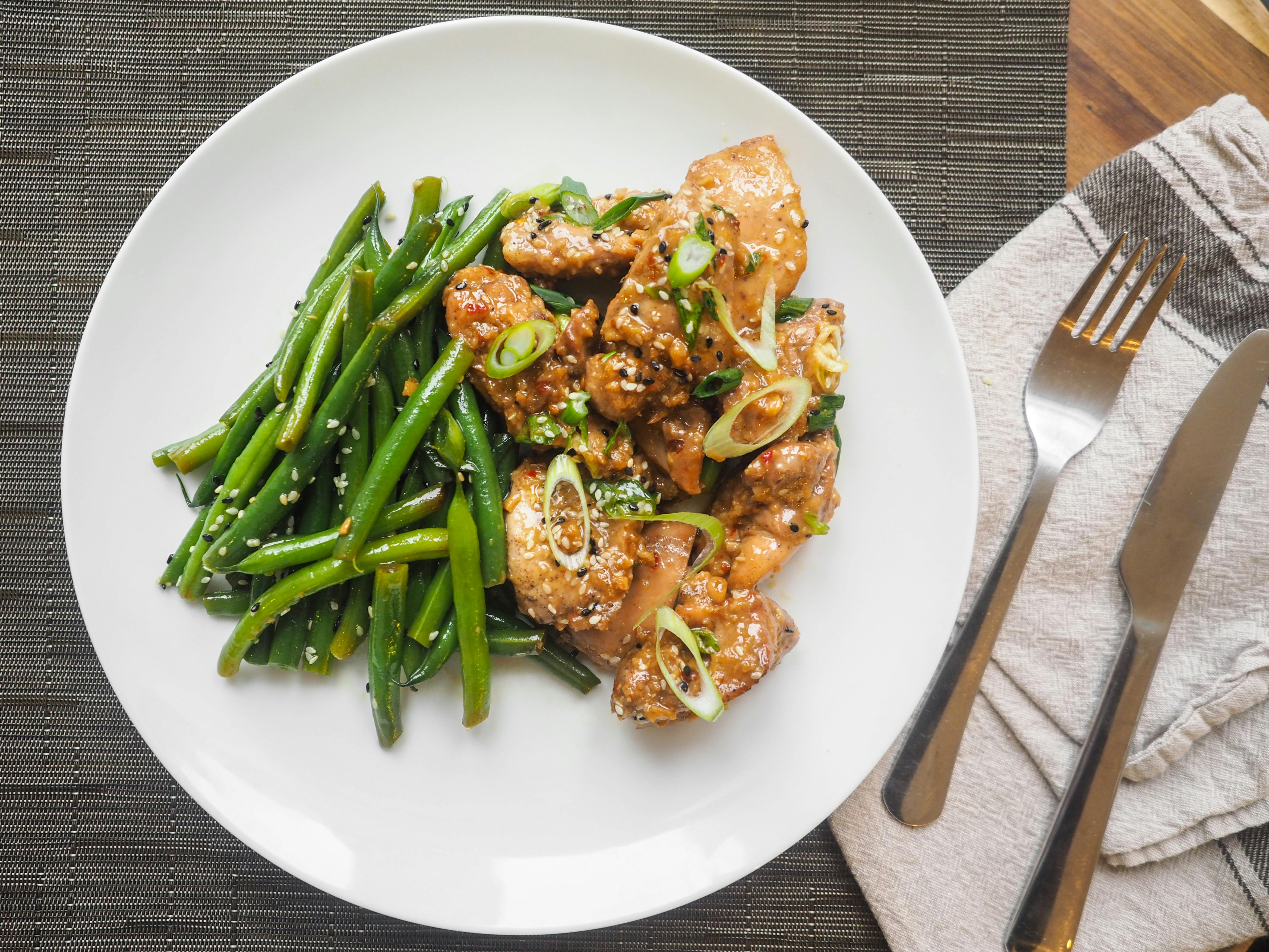
Lean protein
Protein should be at the top of your “foods to prioritize” list. It supports satiety and, most importantly for GLP-1 users, helps protect muscle mass while losing weight.
Some of the best protein options for GLP-1 users include:
- Chicken
- Turkey
- Fish
- Eggs
- Greek yogurt
- Tofu
- Lentils
Get in the habit of eating protein with every meal and snack. Individual protein needs vary, but aiming for 25–30 grams per meal is a good rule of thumb for most people.
Fiber
While protein gets a lot of attention these days, don’t underestimate the importance of fiber. In addition to supporting satiety and weight management, it also supports digestion, gut health, and blood sugar control—all things that are especially important for those on GLP-1 medications.
Good fiber sources include:
- Whole grains (oats, quinoa, whole-wheat bread, brown rice)
- Legumes (lentils, beans, chickpeas)
- Most vegetables (broccoli, carrots, Brussels sprouts)
- Leafy greens (spinach, kale)
- Berries (blackberries, raspberries, blueberries)
- Fruit with skin on (apples, pears)
- Nuts and seeds (chia seeds, flaxseed, almonds)
Keep in mind that a sudden increase in fiber can cause gastrointestinal issues like stomach upset and bloating. Increase your fiber intake gradually to give your body time to adapt. Work toward 25 grams per day for women and 38 grams for men.
Non-starchy vegetables
If you’re eating less food on a GLP-1, the nutrient-dense foods become more important than ever—and veggies are some of the healthiest foods on the planet. They are rich in nutrients, low in calories, and help keep you hydrated. This is the perfect combination for someone on a GLP-1 who may not have as much of an appetite.
Complex carbohydrates
Yes, you can eat carbs on a GLP-1. Just make sure most of them are the complex variety. You can find complex carbs in:
- Whole grains
- Legumes
- Fruits
- Vegetables
We need carbohydrates for energy. Getting a moderate amount from the right sources can help you on your GLP-1 journey.
Healthy fats
While not a huge focus, small amounts of healthy fat, such as olive oil, avocado, and nuts, should be a regular part of your diet. They support satiety, energy production, and blood sugar management.
Foods to avoid on a GLP-1
The foods you eat on a GLP-1 affect your treatment experience—for better or for worse. The foods below can make side effects like nausea or digestive discomfort worse and are best avoided or limited, especially at the start of treatment or after a dose increase.
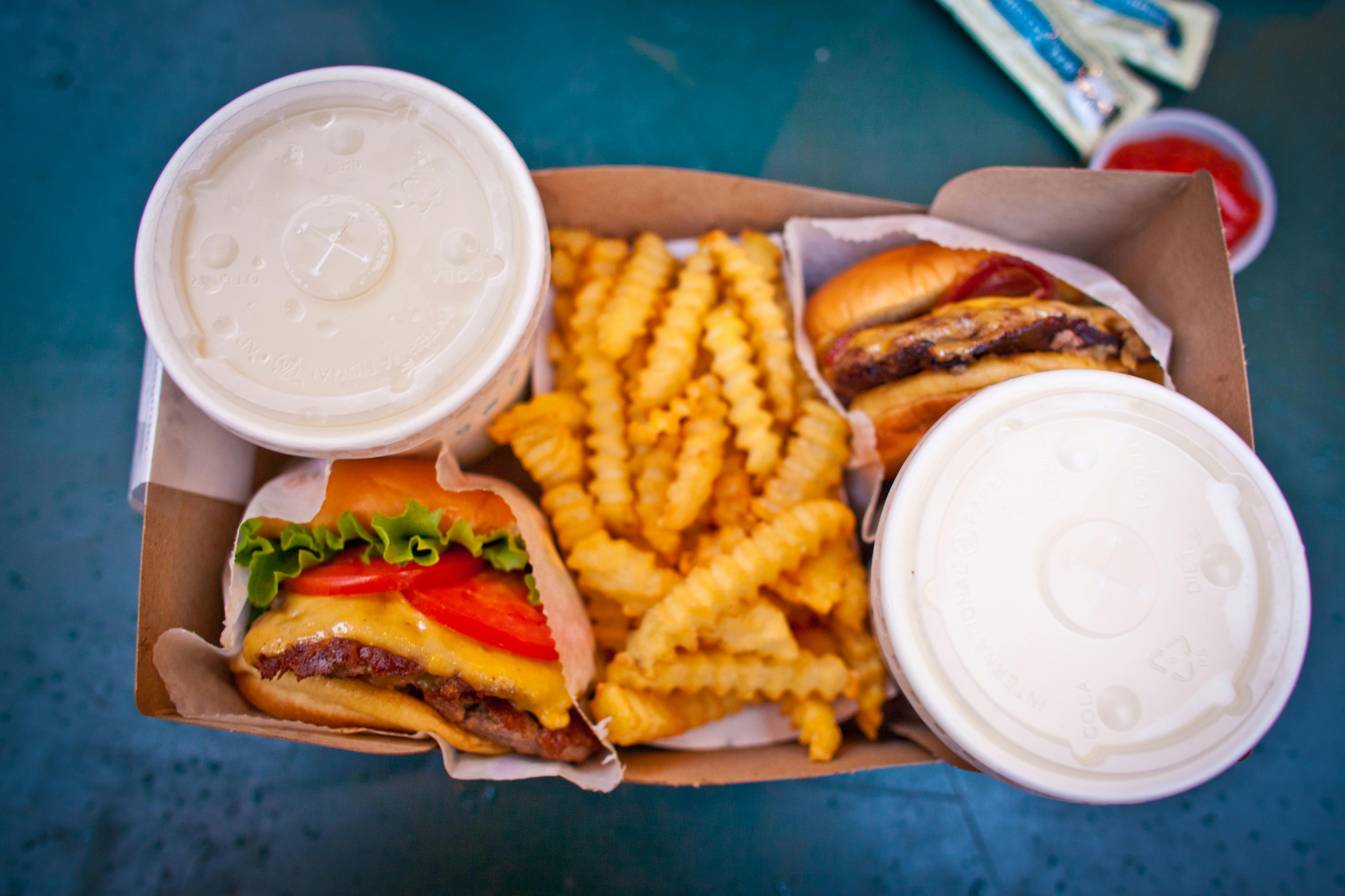
- Fried foods (fries, wings, donuts)
- Fatty meat (pork, bacon, beef)
- Ultra-processed foods (frozen meals, packaged snacks, fast food)
- Sugary drinks and desserts
- Very spicy or acidic foods
These are foods the general population is advised to avoid as well, but GLP-1 users tend to feel the negative effects of these foods more than others do.
What to eat if you feel nauseous
Some people may experience nausea after starting GLP-1 treatment, but it’s important to still eat regularly to avoid dehydration and malnutrition. If your stomach is unsettled, focus on bland, easy-to-digest foods until your symptoms subside. This can include:
- Crackers
- Toast
- Oatmeal
- Rice
- Bananas
- Applesauce
- Broth
- Plain chicken or fish
For most people, GLP-1 side effects fade over time as the body adjusts to treatment. If symptoms persist or are severe, reach out to your provider.
Meal pattern tips that make a big difference
You might need to change how you eat after starting semaglutide or tirzepatide. But don’t worry, a life-changing overhaul won’t be necessary. Small adjustments will be sufficient for most people.
Eat smaller meals more often. Large meals can sit in the stomach longer and worsen nausea. Try eating 5–6 smaller meals a day rather than sticking to a traditional breakfast-lunch-dinner schedule.
Hydrate more than you think you need to. Appetite suppression can reduce thirst cues, and dehydration can make GI symptoms worse. Start your day with a glass of water and sip throughout the day to ensure your body is getting the H20 it needs.
Eat slowly. No matter how hungry you are or how delicious the spread before you looks, take your time to enjoy what you’re eating and give your body time to tell you you’re full before you overdo it. We’re all familiar with that uncomfortable overfull feeling, but it can be worse if you’re on a GLP-1.
Meal ideas for a GLP-1–friendly day of eating
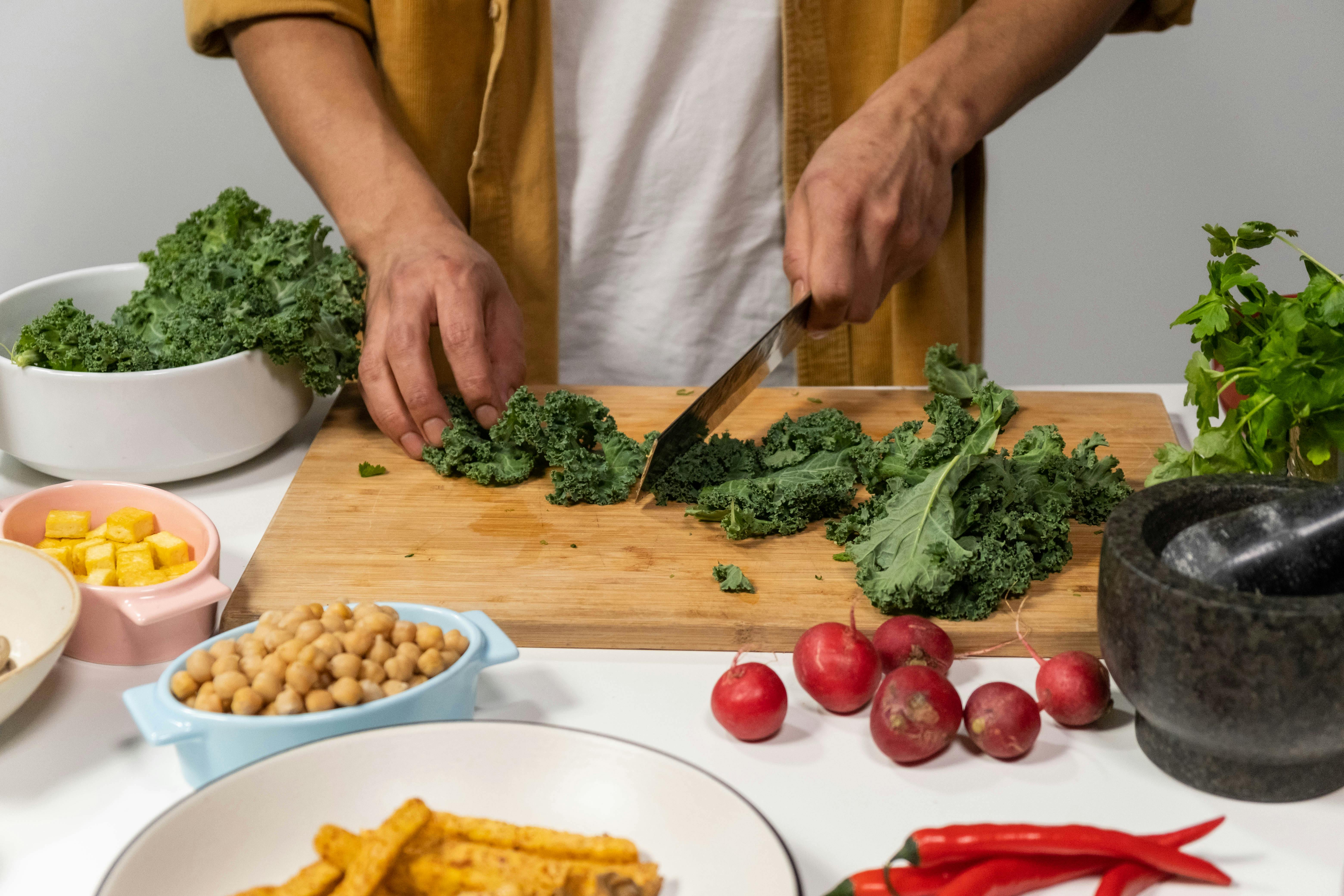
If you need inspiration, here are some GLP-1–friendly food ideas that can keep your diet fresh, interesting, and delicious.
Breakfast
- Greek yogurt with chia seeds and fresh fruit
- Chocolate-covered strawberry overnight oats
- Cottage cheese with pineapple or berries
- Protein smoothie (start with Shed’s Clear Protein Hydration and add milk, frozen berries, and greens as desired)
- Egg bites with berries
- Whole-grain avocado toast with egg
- Breakfast bowl (quinoa, egg, roasted vegetables—whatever combination you like!)
Lunch
- Rotisserie chicken with a veggie side
- Tuna salad with cherry tomatoes + whole-grain crackers
- Lentil soup and a side salad
- Grilled chicken, brown rice, and roasted broccoli
- Salmon, quinoa, and roasted zucchini
- Tofu stir-fry with mixed veggies and cauliflower or brown rice
Snacks
- String cheese
- Hard-boiled egg
- Handful of almonds or pistachios
- Apple slices with nut butter
- Greek yogurt with granola sprinkle
- Cottage cheese + tomatoes
Dinner
- Baked fish, turkey, or chicken with steamed veggies and brown rice
- Chicken vegetable soup with whole-grain toast
- Protein bowl (chicken or turkey, veggies, brown rice or quinoa)
- Small steak with roasted veggie and sweet potato
- Turkey meatballs with spaghetti squash and marinara
Time-saving tip: Meal-prep key ingredients in advance so you can throw a meal together quickly when needed. Pre-cook your meats, cut up your veggies (or buy frozen), boil eggs in advance, keep your pantry stocked with nuts and low-sugar protein bars, and pre-wash fresh produce.
If meal prep seems like more trouble than it’s worth, we get it. Pick one or two tips that feel doable and focus on those. Even the smallest amount of prep can make a big difference over time!
The long game for better health
GLP-1 treatment works best when paired with regular movement and a balanced, nutritious diet. Starting semaglutide or tirzepatide can be a great opportunity to establish different eating habits that you can sustain, whether you continue treatment long term or not.
Shed is here to support you on every step of your GLP-1 journey. Visit our blog for more resources on managing GLP-1 side effects, GLP-1 recipe ideas, nutrition tips, and more.
Ready to start your own GLP-1 journey? Visit tryshed.com today to see if you qualify.
FAQs
Do I have to follow a specific diet while on semaglutide or tirzepatide?
No. However, outcomes are generally better and side effects more manageable when patients follow a balanced, nutritious diet that includes plenty of protein, fiber, and essential nutrients.
How much protein should I eat on semaglutide or tirzepatide?
This varies by individual, but aiming for 20–30 grams per meal is a good starting point. Consult with your provider if you have questions.
Why do fatty foods make me feel worse on a GLP-1?
High-fat foods digest slowly. When you combine this with slower stomach emptying from GLP-1 medications, this can increase nausea and bloating.
What is the biggest nutrition mistake for GLP-1 patients?
This might surprise you, but not eating enough is one of the biggest mistakes you can make, especially too little protein. Try to eat protein with every meal and snack, and watch your total calorie intake if needed to make sure your body is getting the fuel it needs.
This information is for educational purposes only and is not a substitute for medical advice. Please consult your healthcare provider before starting or changing any medication.