



.svg)


You’re eating the same way you always have. You’re moving your body. You’re doing everything right—yet somehow, the number on the scale keeps creeping up.
If this sounds familiar, you’re far from alone. Menopause weight gain is one of the most frustrating and misunderstood changes women face in midlife, and for good reason. Most women can’t willpower their way out of it, because these changes are biologically driven.
In recent years, a new class of medications called GLP-1 receptor agonists has become a major topic in weight-management conversations. But do they actually work for women navigating menopause? And should menopausal women use them?
This article examines why women may gain weight during menopause, explores how GLP-1 drugs work, and walks you through the safety concerns to help you make informed decisions about how to lose weight during menopause.
Why does menopause cause weight gain?
The short answer? Hormones.
During perimenopause and menopause, levels of estrogen and progesterone decline significantly. Estrogen in particular plays a key role in regulating where your body stores fat. As levels drop, fat storage shifts away from the hips and thighs and moves toward the abdomen—that stubborn belly fat that wasn’t there before.
While hormones are the main drivers of menopause weight gain, other changes may also be happening in your 40s and 50s that can affect your weight in other ways:
- Loss of muscle mass, which slows your metabolism and causes you to burn fewer calories at rest
- Insulin resistance, which makes it harder for your body to manage blood sugar
- Sleep disruptions from night sweats, hot flashes, and hormone changes
- Mood changes that can affect everything from your eating habits to your motivation
- Fatigue that makes exercise harder to sustain
Taken together, these factors create a metabolic environment that makes weight management harder than it used to be, even if you’re doing what worked for you before. It’s not a failure of effort that’s happening here, but rather a physiological shift that will need a different approach.
What are GLP-1 medications and how do they work?
GLP-1 is a hormone your gut naturally releases after you eat. It signals to your brain that you’re full, slows digestion, and helps regulate blood sugar. GLP-1 medications work by mimicking and amplifying this hormone’s effects.
The most well-known GLP-1s for weight loss include Wegovy® (semaglutide) and Zepbound® (tirzepatide). They are typically available as weekly injections, but compounded oral forms like drops and lozenges are becoming increasingly popular. Wegovy® released the first FDA-approved GLP-1 pill earlier this year as well.
As many as 1 in 8 adults report having tried a GLP-1 at some point, making these medications one of the most widely discussed medical developments in recent years. GLP-1s are prescribed under medical supervision alongside lifestyle habits that include a balanced, nutritious diet (including plenty of protein) and regular exercise.
Can GLP-1 medications help with menopause-related weight gain?
Early research indicates that GLP-1 medications can help with weight loss in menopausal women, especially those with obesity or metabolic risk. Research from NewYork-Presbyterian and Weill Cornell Medicine found that tirzepatide produced meaningful reductions in body weight, waist circumference, and waist-to-height ratio in women with obesity or overweight, regardless of their reproductive stage.
In other words, being in perimenopause or postmenopause doesn’t appear to make medication less effective. Women in midlife are seeing real results, and research is ongoing to help us better understand how GLP-1s can help women in menopause navigate various metabolic health challenges.
Are GLP-1s safe during menopause?
For most healthy women in perimenopause or postmenopause, current evidence suggests that GLP-1 medications are safe for appropriate adult populations and that menopause doesn’t appear to introduce new safety risks. The hormonal changes of menopause don’t seem to interact negatively with how GLP-1s work in the body.
However, “safe” isn’t a one-size-fits-all answer. Individual circumstances matter more than age alone. Your provider will take into consideration your goals, medical history, and other factors before recommending a safe treatment plan for you.
Common side effects
Nausea, constipation, and GI symptoms are the most frequently reported side effects among all adult populations, particularly at the start of treatment and after dose increases. For most people, these effects are temporary and mild.
Muscle mass and bone density
This one deserves extra attention for menopausal women. Menopause accelerates bone and muscle loss, and rapid weight loss of any kind can contribute to further reductions in bone density and muscle mass. This makes strength training not just helpful, but essential while on these medications.
Cardiovascular health
Cardiovascular risk rises after menopause, but GLP-1s could actually help in this area. GLP-1s have demonstrated cardiovascular benefits in clinical trials. Research in this area is ongoing.
Who shouldn’t take a GLP-1
Menopausal women with a personal or family history of medullary thyroid carcinoma, MEN 2, or kidney or gallbladder problems should not start treatment without discussing these issues with their provider.
Can lifestyle changes help with menopause weight loss?
While GLP-1s can be a helpful weight-management tool, they aren’t meant to replace lifestyle habits. The women who see the best and most lasting results, even during menopause, are those who use them alongside sustainable lifestyle changes.
- Balanced nutrition is key. A nutritious diet rich in protein, fiber, and healthy fats is important for women of any age. Protein in particular is critical for midlife women on a GLP-1, as it helps preserve muscle mass that may occur while losing weight and getting older. Anti-inflammatory foods (think colorful vegetables, nuts, and whole grains) support the metabolic and hormonal shifts happening in your body.
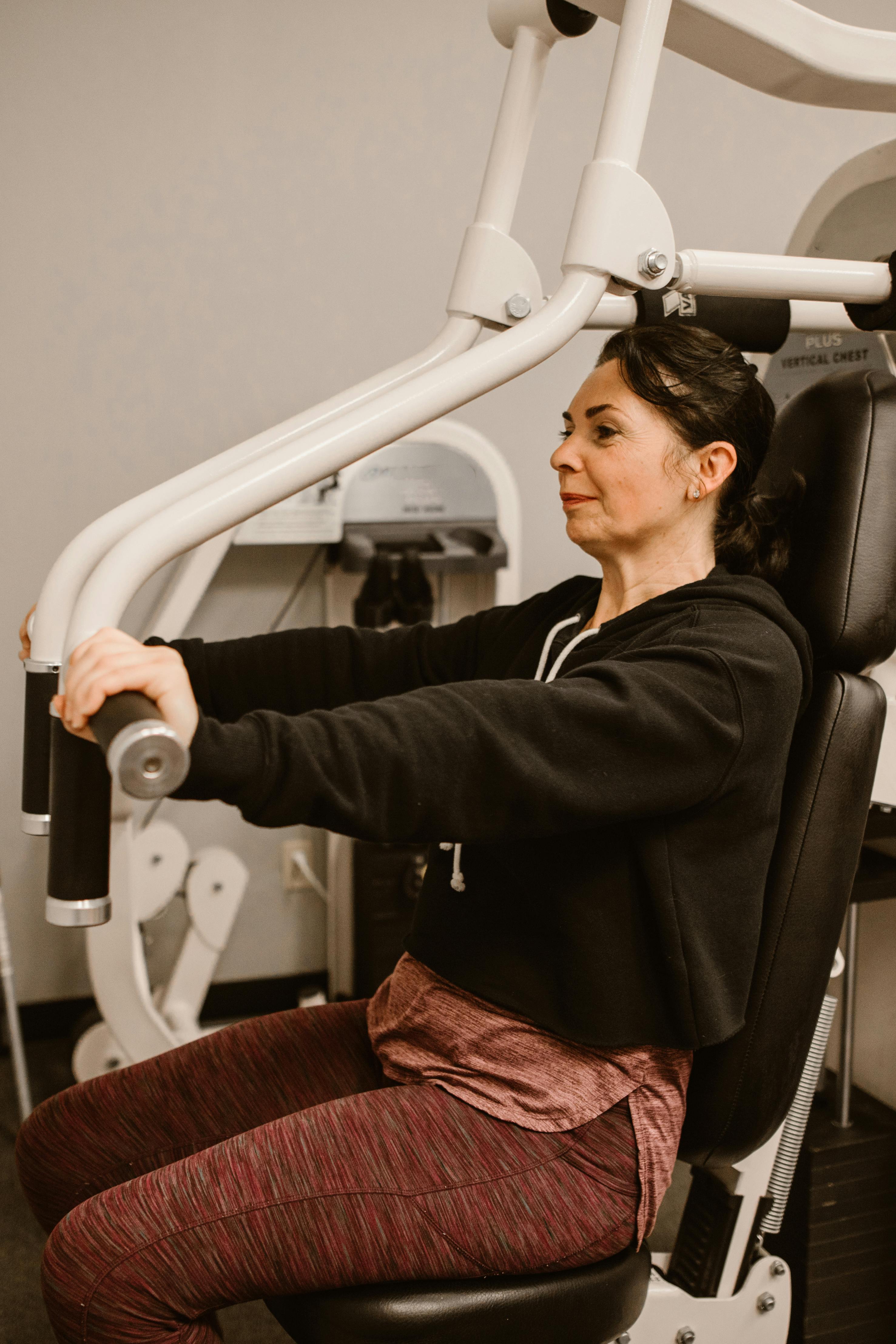
- Strength training is non-negotiable. Resistance exercise while on a GLP-1 isn’t just a nice-to-have. Building and maintaining muscle supports bone density, muscle mass, and long-term metabolic health, all things that become more important after you turn 40.
- Behavioral support and coaching can help you reach milestones that are difficult to hit on your own. Weight loss is more complicated than we’ve been led to believe. Sometimes it takes a village to get you to where you want to be. Regular check-ins with your provider are critical, and a health coach can help you create and work toward goals that actually work with your body and lifestyle.
Our bodies change over time, so the way we take care of them should change over time, too. If you haven’t changed your lifestyle habits much over the past decade, now might be a good time to make some adjustments.
Supporting whole-body health through Shed
Navigating menopause is hard enough without having to work through our complicated healthcare system. Shed is designed to make personalized, provider-led care more accessible.
If you’re interested in exploring how GLP-1s might help you with menopause weight gain, the process to get started through Shed is simple:
- Complete a 5-minute form about your health history. No in-person appointment (or months of waiting) needed!
- A licensed medical provider will review your information and determine the right treatment plan for you.
- If you qualify for a prescription, it will be shipped discreetly to your door.
Support doesn’t end once you get your prescription, either. Shed supports you every step of the way, which includes unlimited provider visits, Health Coaching, access to educational resources and nutrition plans, and more. Visit tryshed.com today to learn more or get started.
Frequently asked questions
How much weight gain is normal during menopause?
Women typically gain an average of 5–10 pounds during the menopausal transition, often accumulated around the midsection.
Are GLP-1 medications safe for women in menopause?
For most healthy women without specific contraindications, GLP-1s are considered safe and effective for menopausal women who want to lose weight. That being said, your individual health history must be taken into account. Always work with a licensed provider before starting any new medication.
Can I lose menopause belly fat with GLP-1 medication?
GLP-1 medications are particularly effective at reducing visceral fat—the deep abdominal fat that tends to accumulate during menopause. While these medications don’t produce targeted fat loss, the overall fat reduction they drive tends to be felt around the midsection.
How much weight will I lose on a GLP-1?
Results vary from person to person, but many women lose 10–20% of their body weight over several months of treatment. Medication type, dose, starting weight, lifestyle habits, and other biological factors will play a role in how much weight you lose on a GLP-1.
Do GLP-1s replace diet and exercise?
No. GLP-1s help reduce appetite and improve metabolic health, but they work best as part of a broader approach that includes a protein-forward diet and regular movement, particularly strength training. Think of a GLP-1 as a tool that makes lifestyle changes sustainable, not a substitute for them.
What happens if I stop taking a GLP-1?
Most people regain weight after stopping GLP-1 treatment. Women who establish sustainable lifestyle habits—especially strength training and balanced nutrition—are more likely to maximize results during treatment, and may be able to keep some of the weight off if they go off the medication.
Are GLP-1 medications safe to use long-term?
GLP-1s have been used for weight management for a relatively short time, so long-term data is still accumulating. However, GLP-1s were originally used to treat type 2 diabetes, so they were developed with long-term use in mind. Studies running up to four years are encouraging as well, showing a continued favorable safety profile for metabolic health.
How much do GLP-1 medications cost, and does insurance cover them?
Cost is one of the most common barriers women face when considering GLP-1 treatment. Brand-name medications like Wegovy® and Zepbound® can run $1,000 or more per month without insurance coverage. While many insurance plans cover GLP-1s for type 2 diabetes, coverage for weight management is less consistent.
However, the cost of medication is trending downward, making treatment more affordable for more people, even if they don’t have insurance coverage. Compounded versions of semaglutide and tirzepatide are also available and are typically cheaper.*
Does Shed offer non-injectable GLP-1 options?
Yes. Shed offers multiple GLP-1 formats, including drops, tablets, and pills.
Taking charge of menopause health
For decades, women have been told to just accept menopause weight gain as part of getting older. That conversation is changing. While the solution usually involves a multifaceted approach to weight loss, the point is that women have options.
If you’re ready to explore what’s possible, Shed makes it easy to get started. Visit tryshed.com today to see if GLP-1 treatment is right for you.
This information is for educational purposes only and is not a substitute for medical advice. Please consult your healthcare provider before starting or changing any medication.
*Compounded medications are prepared by licensed pharmacies to meet individual patient needs. While they are not reviewed or approved by the FDA for safety or effectiveness, they are made in accordance with strict regulatory guidelines. Prescription is only available after consultation with a licensed provider to determine if treatment is appropriate.