



.svg)


GLP-1 medications like tirzepatide have changed the world of medically assisted weight loss. With over 70% of American adults having overweight or obesity, the need has never been greater.
However, not everyone who is interested in tirzepatide will qualify for a prescription. In this article, we’ll break down the BMI requirements for tirzepatide, as well as other factors that will be taken into account to determine eligibility.
What is tirzepatide and how does it support weight loss?
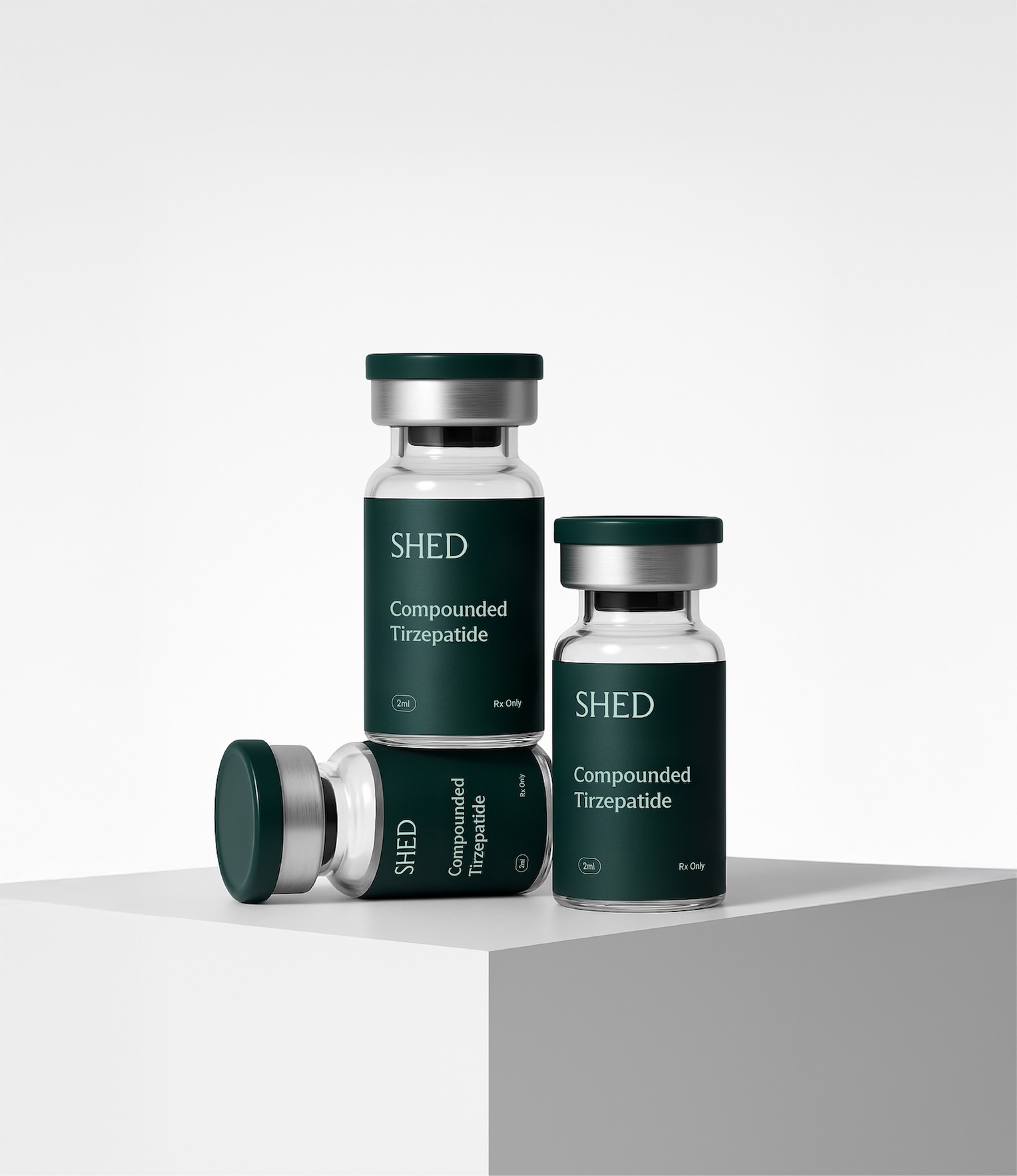
Tirzepatide is a once-weekly injectable GLP-1 medication used to treat type 2 diabetes and chronic weight management in adults meeting BMI criteria. (It’s also sold under the brand names Zepbound® and Mounjaro®.) It is a dual-action agonist, meaning it targets two hormones involved in appetite and metabolism: GLP-1 and GIP.
By activating both pathways, tirzepatide can help:
- Reduce appetite and cravings
- Quiet food noise
- Increase feelings of fullness
- Slow digestion
- Improve insulin sensitivity
Tirzepatide has demonstrated clinically significant weight loss in multiple studies, with participants losing up to 20% of their weight* when medication was paired with balanced nutrition and regular exercise.
How to calculate your BMI
Body mass index (BMI) is a screening tool providers use to estimate body fat. BMI is calculated by taking your weight in kilograms and dividing it by your height in meters squared.
BMI formula: Weight (kg) / height (m2).
You can also use the CDC’s BMI calculator here.
Your BMI will fall into one of four categories, which helps providers assess your metabolic risk:
- Underweight: Under 18.5
- Normal weight: 18.5–24.9
- Overweight: 25–29.9
- Obesity: 30 or higher
While BMI isn’t the only metric that matters for metabolic health—it doesn’t account for muscle mass or fat distribution, for instance—it is currently the main clinical benchmark for determining GLP-1 eligibility.
Tirzepatide BMI requirements
You may qualify for tirzepatide if:
- Your BMI is 30 or higher
- Your BMI is 27 or higher and you have at least one weight-related condition
Weight-related conditions may include:
- Hypertension (high blood pressure)
- High cholesterol
- Prediabetes
- Insulin resistance
- Type 2 diabetes
- Obstructive sleep apnea
- Polycystic ovary syndrome (PCOS)
- Heart disease
Eligibility beyond BMI: Other factors providers consider
While BMI is the baseline requirement for tirzepatide treatment, it doesn’t automatically guarantee you a prescription. Your provider will evaluate several other factors as well, including:
- History with weight management, especially prior weight-loss attempts
- Personal medical history
- Family medical history
- Age (only available for adults 18 or older)
Tirzepatide treatment is not recommended for the following individuals:
- Pregnant or breastfeeding women
- Those with a personal or family history of medullary thyroid carcinoma or MEN 2
Other medical conditions, such as pancreatitis, may affect whether you qualify for tirzepatide. Your provider will assess your medical history, needs, and goals before recommending the best treatment plan for you.
Can you qualify for tirzepatide with a lower BMI?
In most cases, tirzepatide is not recommended for individuals with a BMI lower than 27.
However, in some unique cases a provider may consider treatment, such as if an individual has significant insulin resistance or elevated visceral fat despite having a normal BMI. Come to your provider consultation ready with questions to ask about your specific needs.
What about microdosing?
Microdosing refers to lower-than-standard doses of tirzepatide with slower increases. This approach may offer overall wellness and healthy aging benefits while potentially reducing the likelihood and severity of side effects.
That being said, microdosing doesn’t override BMI or eligibility requirements. You will still need to meet the medical criteria for GLP-1 treatment. Microdosing is a dosing strategy, not a way to get around qualification requirements.

Lifestyle interventions
Tirzepatide isn’t meant to be a standalone solution to weight loss. Medication works best when combined with intentional lifestyle support, which includes balanced nutrition, regular exercise, and ongoing behavioral guidance. (Learn more about the WHO’s guidelines on the use of GLP-1 treatment here.)
Lifestyle changes that can support you while on tirzepatide include:
- Diet rich in protein and fiber
- Regular exercise
- Adequate sleep
- Hydration
- Stress management
For more on making sustainable changes to support your weight-management efforts, see our blog on what it really takes to keep the weight off.
How to qualify for tirzepatide treatment through Shed
We keep things simple at Shed. To find out if you qualify for tirzepatide, visit tryshed.com and take our 5-minute quiz. Once you’ve answered a few questions about your health history and goals, a licensed provider will look over your answers to determine if you’re a good fit.
If you qualify, your medication will be shipped straight to your home. (Detailed instructions for safe use are included.) Our Member Success Team will be available to answer any questions you have during every phase of your journey.
Go further with a Shed Membership
Weight loss doesn’t have to be a solo journey. A Shed Membership, which includes unlimited provider visits, Shed Community access, Health Coaching, and more, rounds out your weight-loss toolkit to help you get back to being the real you.
Membership is $99/month plus the price of medication. Learn more about the membership here.
FAQs about BMI and tirzepatide
What BMI do I need to qualify for tirzepatide?
Patients with a BMI of 30 or higher, or 27 or higher with a weight-related condition, can qualify.
Can I get tirzepatide if my BMI is under 27?
Typically no, unless there are specific medical factors that warrant individualized consideration. Address any specific concerns you have with your provider.
Is BMI the only requirement for GLP-1 treatment?
No. Your provider will also assess your medical history, family history, safety risks, current medications, and past experiences with weight loss.
How long does it take to find out if I qualify for tirzepatide?
In most cases, eligibility can be determined after an initial consultation with a licensed provider. You can do all of this online through Shed.
This blog is for educational purposes only and is not a substitute for medical advice. Please consult your healthcare provider before starting or changing any medication.
*In clinical trials studying semaglutide and tirzepatide, the average weight loss was 15% and 20%, respectively, when paired with diet and exercise. Results may vary.
Compounded medications are prepared by licensed pharmacies to meet the specific needs of individual patients. These medications are not reviewed or approved by the FDA for safety, effectiveness, or quality. However, they are made in accordance with strict regulatory guidelines. If your clinician determines that a compounded medication is clinically appropriate for you, please be aware that it is not an FDA-approved product.
Zepbound® is a registered trademark of Eli Lilly. Our compounded medications are not affiliated with, nor endorsed by, Eli Lilly, and are not reviewed by the FDA for safety or efficacy.