


.svg)


GLP-1 medications are one of the most effective, evidence-backed medical weight-loss options available today—and their role is expanding, transforming the conversation around weight loss and how obesity is treated. Here’s everything you need to know about GLP-1s for weight loss heading into 2026.
1. What are GLP-1 medications? + Why they’re leading the way in 2026
GLP-1 medications are receptor agonists that mimic a hormone our bodies make after we eat: glucagon-like peptide-1 (GLP-1). Its job is to help regulate blood sugar and appetite. It also slows digestion—so you feel full for longer and avoid blood sugar spikes—and supports metabolic efficiency, helping to support steadier energy levels throughout the day.
GLP-1 treatments keep these signals active for longer than your own body’s GLP-1 can. This leads to fewer calories consumed and less intense cravings, with weight loss being a natural consequence—no extreme dieting or exercise regimen required.
Many have added GLP-1s to their weight-loss “tool kit” alongside healthy habits like balanced nutrition, regular exercise, and quality sleep. The use of GLP-1s for weight loss is continuing to gain momentum into 2026.
2. Most common GLP-1 medications people use today
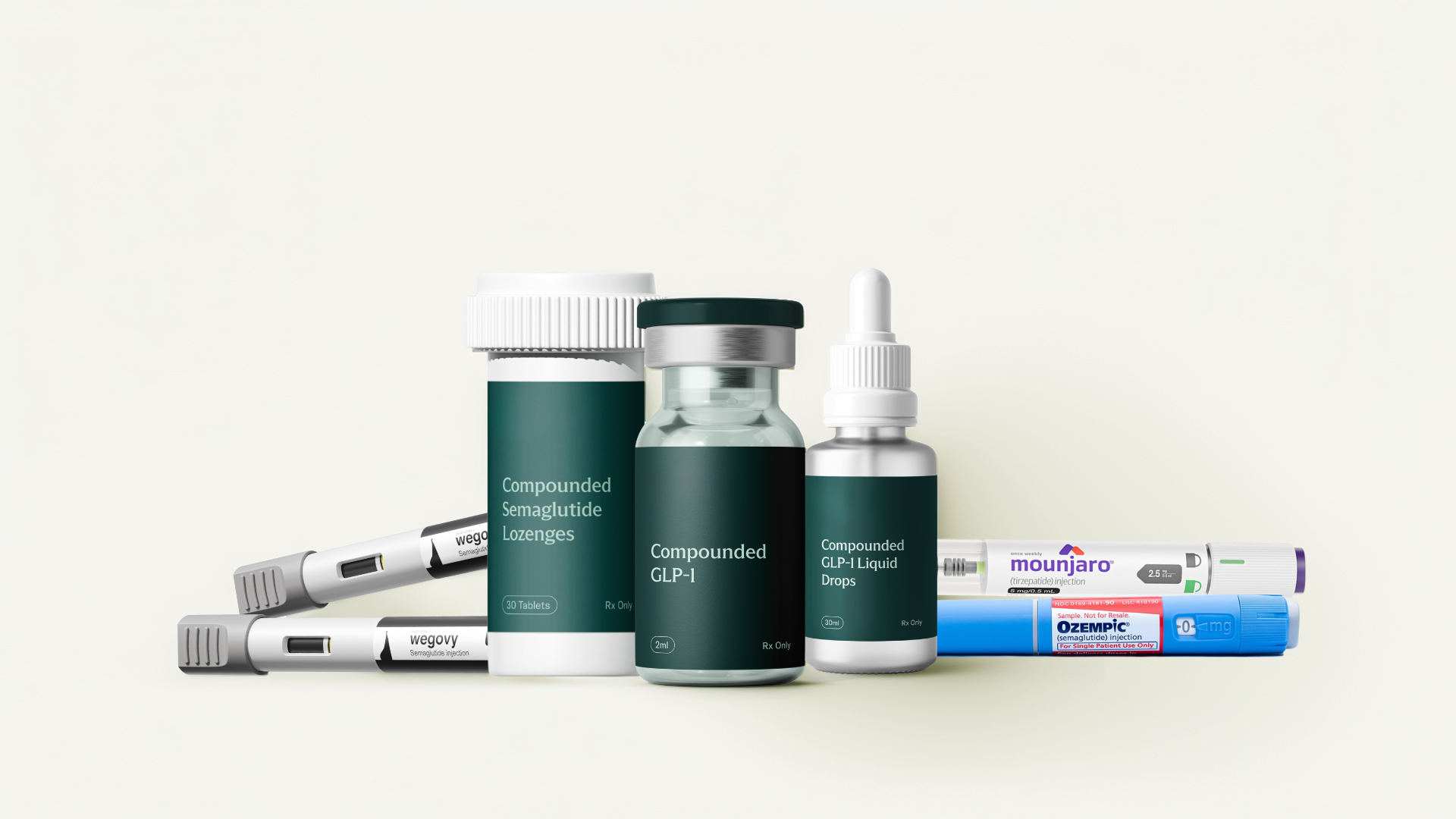
A variety of GLP-1 agonists exist on the market today, but not all of them are approved for weight management. Zepbound®, Wegovy®, and Saxenda are the only GLP-1s FDA-approved specifically for weight loss, but medications like Ozempic® and Mounjaro® are FDA-approved for diabetes treatment and may be prescribed “off-label” for weight loss if deemed appropriate by your provider. Learn more about different GLP-1s for weight loss here.
In addition to name-brand meds, compounded versions are also available. Compounded GLP-1s are made by licensed pharmacies rather than the original manufacturer. These versions are made when name-brand supply is scarce or to meet the specific needs of patients and are not FDA-approved.*
Most GLP-1 medications are injectables that are self-administered weekly, but compounded oral alternatives like drops, lozenges, and liposomal tablets are also available to help meet more patients’ needs.
3. Who should (and shouldn’t) take GLP-1s for weight loss?
GLP-1 treatment requires a prescription from a licensed medical provider. In general, GLP-1s are intended for adults who:
- Have obesity or overweight (BMI of 30 or higher)
- Have a BMI above 27 and a related health condition like insulin resistance, prediabetes, type 2 diabetes, high blood pressure, or high cholesterol
- Have been unable to maintain weight loss through other means (e.g., diet and exercise)
While GLP-1s have helped many achieve their weight-loss goals and support their metabolic health, they aren’t for everyone. Adults with any of the following should avoid GLP-1 treatment:
- Family history of medullary thyroid carcinoma or MEN2
- Active gastrointestinal conditions
- Personal history of eating disorders or gallbladder issues
- Are pregnant, nursing, or trying to conceive
- Cannot tolerate side effects
This is not an exhaustive list. If you have questions about qualifying for treatment, schedule a consultation with your doctor and be prepared to talk about your medical history and goals. Not sure what questions to ask? Use this handy guide of questions to ask before starting a GLP-1.
4. How effective are GLP-1s, really?
In trials involving the active ingredients in GLP-1 medications—tirzepatide and semaglutide—both medications have shown meaningful weight reductions, with individuals taking tirzepatide losing up to 20% of their body weight and those taking semaglutide losing up to 14%.
Weight loss in real-world settings have also shown weight loss, though less than what is typically seen in clinical settings. Those who take their dose consistently as recommended by their provider are more likely to see weight-loss results similar to what is seen in clinical studies. See the latest research on GLP-1 studies here.
5. Side effects, safety, and long-term use
The most common side effects from GLP-1 medications are gastrointestinal. These include:
- Nausea
- Vomiting
- Constipation
- Diarrhea
- Decreased appetite
- Bloating
Common non-gastrointestinal side effects may include:
- Headaches
- Fatigue
- Injection site reactions
These symptoms tend to be dose related and usually fade over time as your body adjusts. If symptoms persist, contact your provider about possible next steps, which may include adjusting your dose, trying a different brand, or using a different administration method.
Rare but serious effects may include pancreatitis, gallbladder problems, changes in kidney function, and severe abdominal pain. Severe symptoms of any kind should be reported immediately.
Working with your provider can help reduce uncomfortable symptoms and improve outcomes.
6. Cost and coverage: What GLP-1s actually cost in 2026
GLP-1 costs vary depending on your insurance coverage, the type of medication prescribed, and where you get your medication. GLP-1 costs for 2026 can clock in at $1,000+ per month without insurance. With insurance coverage, you may pay as little as $25 per month. Your best bet is to talk directly to your pharmacy and/or insurance company to get a complete picture of what your GLP-1 drugs will cost.
If you don’t have insurance coverage, you still have affordable options. You can buy compounded semaglutide and tirzepatide online with a provider’s prescription starting at $199/month through Shed.

7. How people are accessing GLP-1s today
GLP-1 treatment is becoming more accessible, thanks to the availability of both in-person and telehealth care. Both options require a doctor evaluation—either in person or online—and, if the patient qualifies, a prescription.
GLP-1 telehealth programs are becoming more and more popular due to the convenience, especially for those who live far away from their doctor’s office. Visits and checkouts take place 100% online, and then medication is shipped straight to the patient’s door—no waiting rooms or pharmacy lines necessary.
8. Lifestyle as part of GLP-1 weight-loss treatment
The World Health Organization (WHO) released new guidelines on the use of GLP-1 drugs in treating obesity in December 2025, emphasizing the importance of lifestyle changes alongside GLP-1 treatment. GLP-1 medications aren’t meant to be a quick fix for weight loss, and they work best when combined with balanced nutrition, regular exercise, and ongoing behavioral guidance.
Healthy habits alongside GLP-1 treatment has become standard practice throughout the medical industry. Safety, side effects, and sustainability matter just as much as weight-loss results, and lifestyle is a crucial part of that equation.
9. What happens if you stop GLP-1 treatment
Obesity is a chronic disease, which means long-term care is needed to maintain results. Most who go off treatment regain some or all of the weight they lost, though lifestyle habits can help mitigate weight regain.
Weight regain after GLP-1 treatment isn’t a willpower issue; it’s a reflection of how the body is biologically designed to defend its previous weight once GLP-1 support is removed.
This is why ongoing care is so important, which includes regular provider follow-ups and ongoing behavioral health support. Providers can make adjustments to a patient’s dose as needed and help them manage side effects, and behavioral support goes a long way into turning lifestyle changes into lifelong habits.
10. How to get started safely
Starting GLP-1 treatment with Shed is easy. It starts with an online intake form, where patients answer questions about their health history and weight-loss goals. A medical provider then looks over the form to determine if the patient is a good fit for one of the medication options. Once a prescription is ordered, medication is shipped straight to their door.
The process doesn’t stop there, however. Shed also offers Health Coaching, unlimited provider follow-ups, and a Community with educational resources and like-minded people to connect with. The best care is backed by science, supported by providers, and personalized to you, which has been Shed’s goal from day one.
Visit tryshed.com today to find out which weight-loss program is best for you.
This information is for educational purposes only and is not a substitute for medical advice. Please consult your healthcare provider before starting or changing any medication.
Not affiliated with Zepbound®, Wegovy®, or their manufacturers.
*Compounded medications are prepared by licensed pharmacies to meet the specific needs of individual patients. These medications are not reviewed or approved by the FDA for safety, effectiveness, or quality. However, they are made in accordance with strict regulatory guidelines. If your clinician determines that a compounded medication is clinically appropriate for you, please be aware that it is not an FDA-approved product.