
.svg)


A lot of factors contribute to how we feel and how well we’re able to function from one day to the next—and often, those factors are invisible to us. One of those “invisible” helpers is NAD, a molecule that’s in every cell of our bodies. Sometimes referred to in popular media as a “molecule of youth,” NAD plays a critical role in energy metabolism and DNA repair.
Let’s dive into what NAD is and why it’s so important.
What is NAD?
NAD (nicotinamide adenine dinucleotide) is a coenzyme found in all living cells—sometimes described as a “helper molecule”—that is essential for numerous bodily functions, including energy production, DNA repair, and cellular health.
At its core, NAD helps support the processes your cells rely on to function properly. NAD levels may naturally decline with age, which is why it has become a major focus in longevity and healthy aging research.
What is an NAD supplement?
Most NAD supplements are designed to support the body’s natural NAD production and don’t contain NAD itself in pill or capsule form. NAD is a large, unstable molecule that doesn’t survive digestion well enough to reach your cells intact, so most NAD supplements contain NAD precursors, which are smaller compounds that the body can absorb and then convert into NAD on its own.
You may have noticed that people use “NAD supplement” and NAD+ supplement” interchangeably. Consumers and brands alike tend to use both phrases to refer to the same category of products. NAD+ is the oxidized form of NAD that plays a key role in cellular energy production and is a focus of aging research.
How NAD functions in the body
NAD is hard at work every day, whether we notice its impact or not. It’s constantly being used, recycled, and replenished to keep our cells healthy. Here are some of its main jobs:
- Energy production: NAD is essential for converting carbs, fats, and protein into usable energy. It functions as an electron carrier, which enables the production of ATP, your body’s main source of energy.
- DNA repair: Your DNA is under constant assault from free radicals, UV light, toxins, and even the byproducts of normal metabolism. NAD helps repair this damage.
- Cellular processes: NAD helps activate a family of proteins called sirtuins, which are involved in cellular stress responses, metabolism, and other processes associated with aging. Sirtuins are often described as “longevity genes”; without NAD, they can’t do their job.
- Other functions: NAD also plays a role in metabolic function, immune function, circadian rhythm regulation, gene expression, and cell signalling.
NAD hasn’t gotten a lot of attention outside of the scientific community until recently, but it’s always been there, working behind the scenes to help you feel like your best self.
Why NAD levels decline with age
The drop in energy you feel as you get older isn’t just in your head. It could be due to dropping NAD levels, which may decline over time. Several biological and lifestyle-related factors are thought to play a role:
- Aging-related enzymatic changes: CD38 is an enzyme that breaks down NAD. Its activity may increase with age, contributing to both reduced NAD levels and increased breakdown over time.
- Chronic inflammation: Low-grade inflammation becomes more common as we get older, and inflammatory processes can increase NAD consumption. As a result, inflammation may contribute to lower NAD levels over time.
- Environmental stressors: Exposure to UV radiation, alcohol, pollution, and other environmental toxins triggers an increased demand for NAD-dependent repair processes. These external stressors keep PARP enzymes, which participate in repair pathways for damaged DNA, hard at work, which may bring down NAD reserves over time.
- Metabolic inefficiencies: As metabolism slows with age, the body becomes less effective at processing the nutrients it needs to synthesize NAD. Poor diet and sedentary habits compound this problem.
How to increase NAD levels naturally
You may not be able to reverse your age, but you may be able to help support your body’s natural NAD production and recycling process with some lifestyle changes. These include:
- Regular physical activity
- Intermittent fasting
- Consistent, high-quality sleep
- Diet rich in protein (chicken, tuna, eggs), polyphenols (blueberries, red grapes, olive oil), and healthy fats (avocados, nuts, seeds)
- Reduced alcohol consumption
It’s no accident that living a healthy lifestyle can help you feel better. Higher NAD levels may be just one of the reasons why.

Potential benefits of NAD supplementation
Lifestyle is an important part of any health plan, but sometimes our bodies need more support, especially as we age. Early research on NAD supplementation is promising across several key areas:
- Healthy energy levels: NAD plays a central role in converting food into cellular energy. Some people have reported improvements in energy and reduced fatigue while using an NAD supplement.
- Cellular repair: Supporting NAD levels may help the body keep up with cellular repair demand as we age.
- Metabolic health: NAD is closely tied to how the body regulates blood sugar, fat metabolism, and mitochondrial function. Research suggests that maintaining healthy NAD levels may support overall metabolic balance, though more long-term studies are needed to fully understand the extent of this effect.
- Healthy aging: NAD’s connection to longevity pathways has made it a focal point in aging research. Supporting NAD levels as they naturally decline with age is an active area of scientific research.
The benefits of NAD supplementation vary from person to person, and research is ongoing. For a deeper dive into the science, check out our NAD webinar.
How to choose an NAD supplement
NAD supplements aren’t hard to find, but product quality can vary. Understanding what to look for can help you make a more informed decision.
Look for the right precursor
The two most common options are NMN (nicotinamide mononucleotide) and NR (nicotinamide riboside). Both are converted into NAD by the body, but take slightly different pathways to get there. Both have shown promise in early studies; the best choice may ultimately depend on the specific formulation and dosage.
Review dosage transparency
Dosage transparency matters for two reasons: (1) it tells you what’s actually in the product, and (2) it allows you to compare products accurately. If a supplement doesn’t clearly list its dosages, don’t bother. Watch out for proprietary blends too, which group multiple ingredients under a single combined dose without disclosing how much of each is present.
Evaluate ingredient quality
Even a well-formulated supplement is only as good as the quality of its ingredients. Look for products that undergo third-party testing and that follow GMP (good manufacturing practice) standards. You can usually find these details on the product packaging or the brand’s website.
What is the best NAD supplement?
There is no single “best” NAD supplement for everyone. The right supplement for you depends on formulation, dosage, bioavailability, and manufacturing standards. Shed follows GMP practices with high-quality ingredients clearly listed on its website and packaging.
Find NAD supplements at Shed today
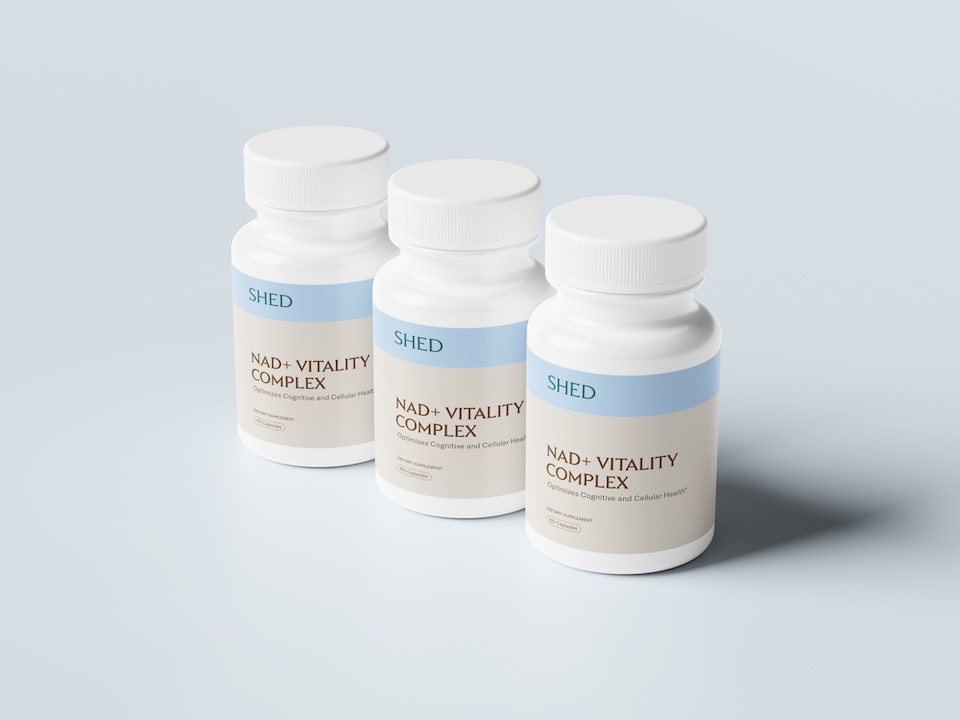
Unlike most NAD supplements that rely on a single precursor ingredient, Shed’s NAD+ Vitality Complex combines four ingredients designed to support the full process of NAD utilization: NR, Alpha -GPC, TMG, and B12 + folate. Visit shedsupplements.com today to try it for yourself.
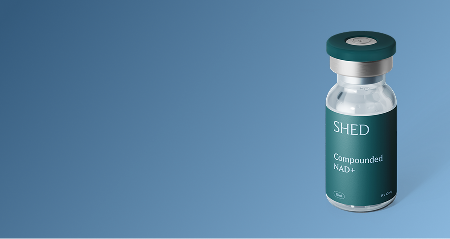
Shed also provides a medical-grade, provider-led approach for those looking for more clinical levels of support, with compounded NAD formulations* available as injections, nasal spray, and oral tablets prepared by licensed pharmacies and prescribed based on an individual’s needs. Each treatment plan is reviewed by a licensed clinician and is personalized to your goals and health history.**
As research into NAD continues to evolve, many people are exploring ways to support their overall health. Visit tryshed.com today to learn more about NAD support options.
FAQs about NAD supplements
What is an NAD supplement used for?
An NAD supplement is used to support the body’s natural production of nicotinamide adenine dinucleotide (NAD), a coenzyme involved in cellular energy production, DNA repair, and metabolic function. Because NAD levels decline with age, supplementation is an area of ongoing research in relation to aging and cellular processes.
What is NAD+ supplement good for?
NAD+ supplements are intended to support mitochondrial energy production and cellular repair processes. Emerging research is exploring their potential role in metabolic function and oxidative stress.
What is the best NAD+ supplement on the market?
The best NAD+ supplement depends on ingredient quality, dosage transparency, and third-party testing. Look for clinically studied precursors such as NMN or NR and products manufactured to high-quality standards.
Can you take NAD every day?
Many NAD precursor supplements are designed for daily use, but dosage varies by product. It’s important to follow label directions and consult a healthcare professional before starting supplementation.
How long does it take for NAD supplements to work?
Results vary depending on the individual and formulation, and effects are typically gradual rather than immediate. Consistent use alongside healthy lifestyle habits may help support overall outcomes.
This information is for educational purposes only and is not a substitute for medical advice. Please consult your healthcare provider before starting or changing any medication.
*Compounded medications are not FDA-approved and may differ from commercially available products.
Compounded medications are prepared by licensed pharmacies to meet individual patient needs. While they are not reviewed or approved by the FDA for safety or effectiveness, they are made in accordance with strict regulatory guidelines. Prescription products are only available after consultation with a licensed provider to determine if treatment is appropriate.
**Products may include dietary supplements and/or compounded prescription medications, depending on your treatment plan. All medications and supplements carry potential risks and side effects. Individual results may vary.
These statements have not been evaluated by the FDA. This product is not intended to diagnose, treat, cure, or prevent any disease.