

.svg)


As interest in GLP-1 treatments grows, so does the conversation about choice. Injectable medications like Wegovy® and Zepbound® are FDA-approved treatments that have been studied for weight management, but they may not be the right fit for everyone. Factors like needle aversion, side effects, and the commitment to weekly injections can be barriers for some people. These concerns have fueled interest in alternative delivery methods like GLP-1 drops and lozenges, which offer different administration experiences for those seeking a non-injectable option.
If you’re considering your options or exploring alternatives to injections, understanding the difference between GLP-1 drops vs. lozenges can help inform a discussion with your provider about which GLP-1 delivery method fits your lifestyle, preferences, and weight-loss goals. This guide will walk you through what each option offers and how to determine which is right for you.
What are GLP-1 drops?
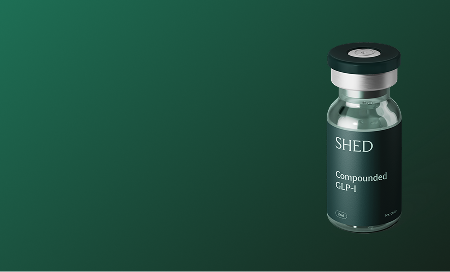
GLP-1 drops are a liquid form of GLP-1 medication that is typically administered under the tongue. This method, known as sublingual or oral mucosal administration, is designed to absorb GLP-1s through the oral tissues under the guidance of a healthcare provider. As opposed to injections, GLP-1 drops have yet to undergo as thorough a testing and have not received FDA approval. As such, there is more variability among individuals.
The primary risk with GLP-1 drops is that they may be more prone to human error. Users may be more prone to inconsistent measuring and accidentally taking the wrong amount, or swallowing the drops too quickly rather than holding them under their tongue as directed. As such, this can cause more variability in results.
Still, there may be instances when compounded GLP-1 drops may fit your lifestyle over injections. GLP-1 drops tend to appeal to those who are more comfortable using liquid medications in their daily routine. While you still need to refrigerate them, they can be a lot easier to store in a portable cooler while traveling than traditional injections.
Before administering a prescription, your provider will ensure you don’t have significant reflux, mouth sores, or frequent nausea and vomiting that may negatively affect your experience with GLP-1 drops.
What are GLP-1 lozenges?
GLP-1 lozenges are dissolvable troches that you place in your cheek and allow to dissolve for 15 minutes while avoiding food and drink. Unlike traditional pills that are swallowed, lozenges are designed to dissolve in the mouth, offering a different administration experience. Similar to compounded GLP-1 drops, lozenges are also still undergoing clinical testing, so there isn’t enough evidence to predict results over GLP-1 injections.
The primary risks with lozenges are that some users have reported issues with irritation or taste aversion. Some users may also eat or drink during the dissolution window, which can affect results. Still, GLP-1 lozenges are popular among those who prefer a structured, consistent routine, such as those who take their medication at the same time each day or who value simplicity in their treatment plan.
Each lozenge is pre-measured with a specific dose, which eliminates the need to measure or count drops. For people who appreciate simplicity and predictability in their medication routine, lozenges can feel more straightforward to incorporate into daily life, similar to other oral medications or supplements.
Before administering a prescription, your provider will ensure you don’t have significant reflux, mouth sores, or frequent nausea and vomiting that may negatively affect your experience with GLP-1 lozenges.
Different ways drops and lozenges differ
When comparing GLP-1 drops vs lozenges, several key factors can influence which option works best for you. Understanding these differences can help you choose the GLP-1 delivery method that aligns with your lifestyle and preferences. Unlike injectable GLP-1 medications that are typically taken weekly, non-injectable formats like drops and lozenges are usually taken daily.
Absorption
Absorption is one of the most important factors in how well any medication works. Both GLP-1 drops and GLP-1 lozenges are absorbed through the buccal or sublingual route, offering an alternative to traditional injections.
GLP-1 drops are typically placed under the tongue and held in the mouth for a short period of time before swallowing, according to your provider’s instructions. Proper use may require attention to timing and technique, and some individuals need a short adjustment period to become comfortable with the process.
GLP-1 lozenges are designed to dissolve slowly in the mouth over several minutes. This format may feel more straightforward for those who prefer a less hands-on approach, as it does not require measuring or timing in the same way as liquid dosing.
Both formats can be appropriate depending on your preferences, routine, and provider guidance. Your provider can help determine which option may be the best fit for your needs. Experiences, side effects, and tolerability can vary between individuals.

Dosing consistency and daily use
Dosing consistency is a common concern for individuals starting or switching GLP-1 treatments. How you take your medication each day can influence your ability to stay on track with your prescribed plan over time. For example, using GLP-1 drops may offer more consistency if you prefer to take medication sublingually. Because you’re measuring liquid, your provider will guide dose adjustments and monitor how you respond to treatment to help ensure safe and consistent use.
This can be particularly helpful during the initial trial titration period when your provider is determining the appropriate dose for you. However, it’s important to follow instructions carefully, as accurate measurement and regular use are key to staying consistent with your treatment plan. Luckily, GLP-1 lozenges provide pre-measured dosing, which takes the guesswork out of daily use.
Each lozenge contains a specific amount of medication, so you simply take one at the same time each day. This structured approach can make it easier to stay consistent. The simplicity of “one lozenge per day” can feel less overwhelming than measuring drops, particularly for those who are new to GLP-1 treatments. With that said, both formats require daily adherence, and the way you interact with your medication may influence how easy it is to remember and follow through consistently.
Convenience and lifestyle considerations
Beyond clinical factors, lifestyle fit plays a major role in determining which GLP-1 option is right for you. The best medication is one you’ll actually take as prescribed, which means it needs to fit comfortably into your daily routine. GLP-1 drops can be ideal if you value efficiency, as you only have to administer the medication sublingually—no need to wait.
Some people also find it easier to integrate liquid medications into their existing supplement routine if they’re already using other drops or tinctures.
If you thrive on consistency and like taking your medication at the exact time each day, a lozenge can fit seamlessly into that pattern. For people who want their medication routine to be as simple as possible, lozenges often feel like the easier choice. When considering which delivery method feels more manageable long-term, think about your lifestyle, work schedule, and personal preferences.

Weight-loss goals and preferences
When it comes to GLP-1 weight-loss treatments, the most important factor isn’t necessarily which delivery method is “better” in theory, but which one helps you stay consistent with healthy habits over time. Effectiveness depends heavily on adherence, and adherence depends on finding an option that works with your life, not against it.
If you like efficiency, GLP-1 drops might work well for you. Administration can be quick and easily integrated into your daily routine if you’re already taking other tinctures and liquid supplements.
If you’re just starting with GLP-1 alternatives, lozenges might feel easier. The simplicity of a pre-measured, dissolvable tablet can reduce anxiety around taking it correctly and make the early stages of treatment feel less complicated. For those who are already managing other health conditions or medications, adding a straightforward lozenge to the routine may feel more sustainable than learning a new measurement technique.
No matter which option you choose, working with your provider and staying consistent with your plan is important—having support makes a real difference. Access to health coaching and guidance from professionals who understand GLP-1 medications can help you stay on track, work through challenges, and adjust your approach as you go.
How to choose the right GLP-1 option for you
Choosing between GLP-1 drops and lozenges ultimately comes down to what feels right for your lifestyle, routine, and comfort level with guidance from your provider. There’s no single best option that works for everyone. Instead, the right choice is the one that you can take consistently, fits naturally into your day, and you feel confident managing over the long term.
Consider these questions as you evaluate your options:
- Are you comfortable measuring liquid medications or would you prefer a pre-measured option?
- Are you new to GLP-1 treatments or have you used similar treatments before?
- How much support do you think you’ll need to stay on track?
If you’re still unsure which delivery method is right for you, exploring GLP-1 education and treatment options through a supportive platform like Shed can provide the guidance you need. Shed offers access to licensed providers who can answer your questions, help you understand your options, and support you throughout your weight-loss journey without the stress of scheduling in-person appointments or feeling rushed through a decision.
FAQs about GLP-1 drops vs. lozenges
Are GLP-1 drops or lozenges more effective?
GLP-1 drops and lozenges may both be appropriate options when used as prescribed and monitored by a licensed provider. Differences in experience are often related to how consistently a person is able to follow their dosing routine rather than the format itself. Some individuals prefer the efficiency of drops, while others prefer the structured nature of lozenges. A provider can help determine which format may be most appropriate based on your medical history, goals, and response to treatment. Results and experiences may vary.
Which option is easier to stick with in the long term?
Long-term adherence depends largely on how well the format fits into a person’s daily routine. GLP-1 drops may appeal to individuals who value efficiency or are already comfortable using liquid medications, while lozenges often feel simpler for those who prefer a fixed, repeatable habit. Those who find their medication easy to take and remember are generally more likely to stay consistent, regardless of the delivery method.
How do GLP-1 drops and lozenges differ in absorption?
GLP-1 drops and lozenges are absorbed bucally or sublingually route rather than subcutaneously. Drops are typically placed under the tongue and held briefly before swallowing, while lozenges are designed to dissolve slowly in the mouth over several minutes. These differences may influence the overall experience and ease of use, depending on individual preference and routine.
Can you switch between GLP-1 drops and lozenges?
Some may be able to switch between drops and lozenges under medical guidance, as changing formats may require dose or timing adjustments, so it’s important to consult your provider before making any changes to your treatment plan.
Are GLP-1 drops or lozenges better for beginners?
Both options may be appropriate for individuals new to GLP-1 treatment, depending on personal preference and provider guidance. Some may prefer lozenges due to their pre-measured dosing and simplicity, while others may prefer the efficiency of drops. Choosing a format that feels manageable and sustainable can help support consistency early in treatment.
This content is for informational purposes only and is not intended as medical advice, diagnosis, or treatment. Always consult with a licensed healthcare provider regarding any medical condition or treatment decisions. GLP-1 medications require a prescription and should only be used under the supervision of a qualified provider.
Compounded medications are not reviewed or approved by the U.S. Food and Drug Administration (FDA) for safety, effectiveness, or quality. They are custom-prepared by licensed compounding pharmacies and may differ from commercially available products. Individual results and experiences may vary.
Compounded GLP-1 drops and lozenges are alternative delivery formats prescribed by licensed providers through telehealth and compounding pharmacies. While research on oral GLP-1 delivery is still evolving compared to injectable medications, these options may be recommended for patients who are not a good fit for injections.