

.svg)


GLP-1 medications have transformed weight loss and metabolic health, but injections aren’t for everyone. Fortunately, oral GLP-1s can help fill this gap.
From FDA-approved pills to compounded alternatives, this guide breaks down your oral GLP-1 options available in 2026.
What are oral GLP-1s?
GLP-1 receptor agonists mimic a natural hormone (glucagon-like peptide-1, or GLP-1) that helps regulate appetite, blood sugar levels, and gastric emptying.
Traditionally, GLP-1s like semaglutide and tirzepatide are administered via injections. However, oral alternatives are becoming more widely available, giving patients more treatment options to consider.
Oral GLP-1s currently come in three forms: pills, lozenges, and drops. We’ll cover each type in more detail below.
GLP-1 pills
Delivering GLP-1 medication in pill form is a challenge the industry has been working to solve for years. The digestive system does an excellent job of breaking down anything we swallow, meaning GLP-1 meds are broken down before they have a chance to enter the bloodstream.
However, progress is being made in this area. One GLP-1 pill has received FDA approval, with others in the works.
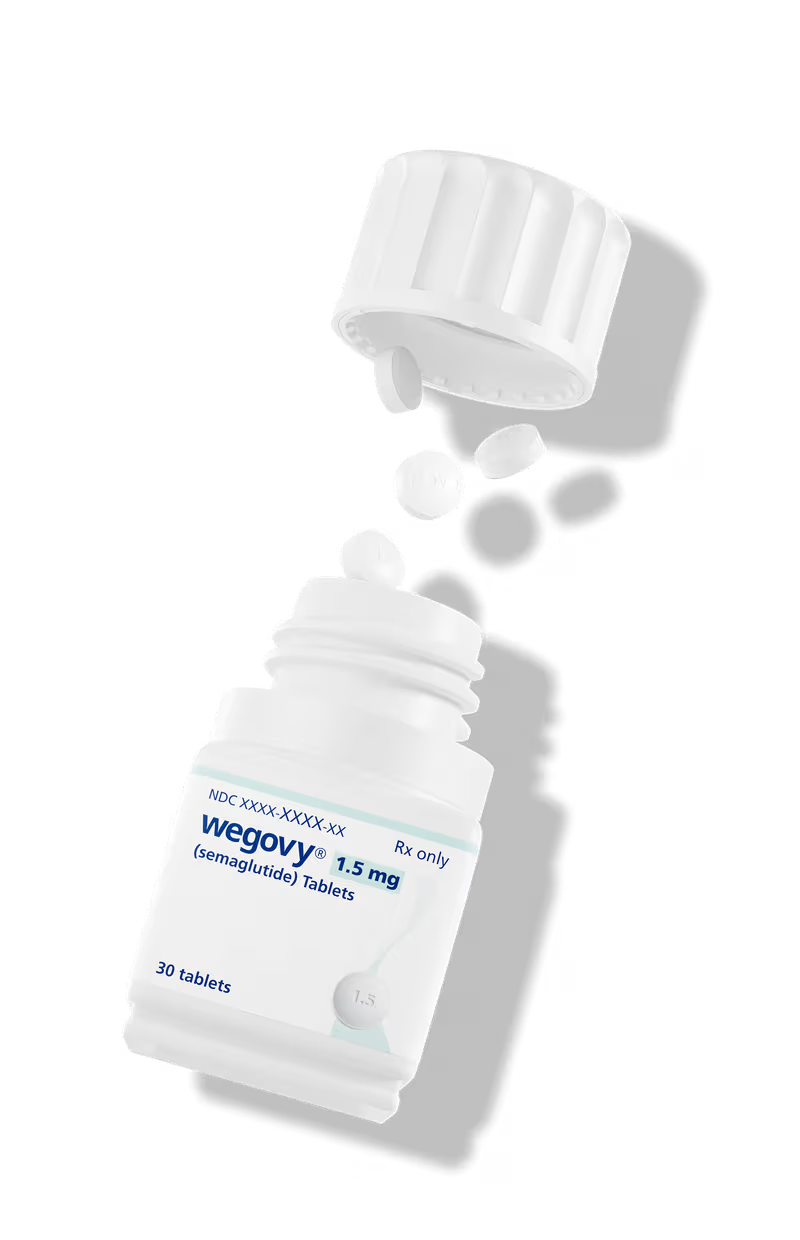
Wegovy® pill
The first FDA-approved GLP-1 pill, manufactured by Novo Nordisk, just entered the market this year. Clinical trials showed that participants taking the Wegovy® pill alongside a reduced-calorie diet and increased exercise lost an average of 15% of their body weight, which was similar to results seen for those taking the injectable form.*
The Wegovy® pill uses SNAC technology, which helps the medicine survive in the stomach long enough to be absorbed in your bloodstream.
Other things you should know about the Wegovy® pill:
- Dosing starts at 1.5 mg and gradually increases to 25 mg daily (or the highest amount you can tolerate) after about three months.
- Must be taken 30 minutes before eating, drinking, or taking other oral medications. Doctors recommend taking it first thing in the morning with a small sip of water for the smoothest experience.
- Cost starts at $149/month.
The Shed Membership offers additional support for those who qualify for a Wegovy® prescription. Learn more here.
Other GLP-1 pills
The Wegovy® pill is the only GLP-1 pill that is FDA approved, but other versions are in the works. Orforglipron, manufactured by Eli LIlly, is in late-stage development and, if approved, will be the first approved GLP-1 pill that doesn’t need to be taken on an empty stomach.
Other options are in development as well, but more study is needed before they are approved for chronic weight-management treatment.
Compounded oral GLP-1 options
Compounded GLP-1s are customized versions of GLP-1 medications that are made by a compounding pharmacy rather than manufactured as standard, FDA-approved drugs. These medications are mixed or adjusted to meet a patient’s specific needs and have more variability in effectiveness. Compounded medications are not FDA-approved.**
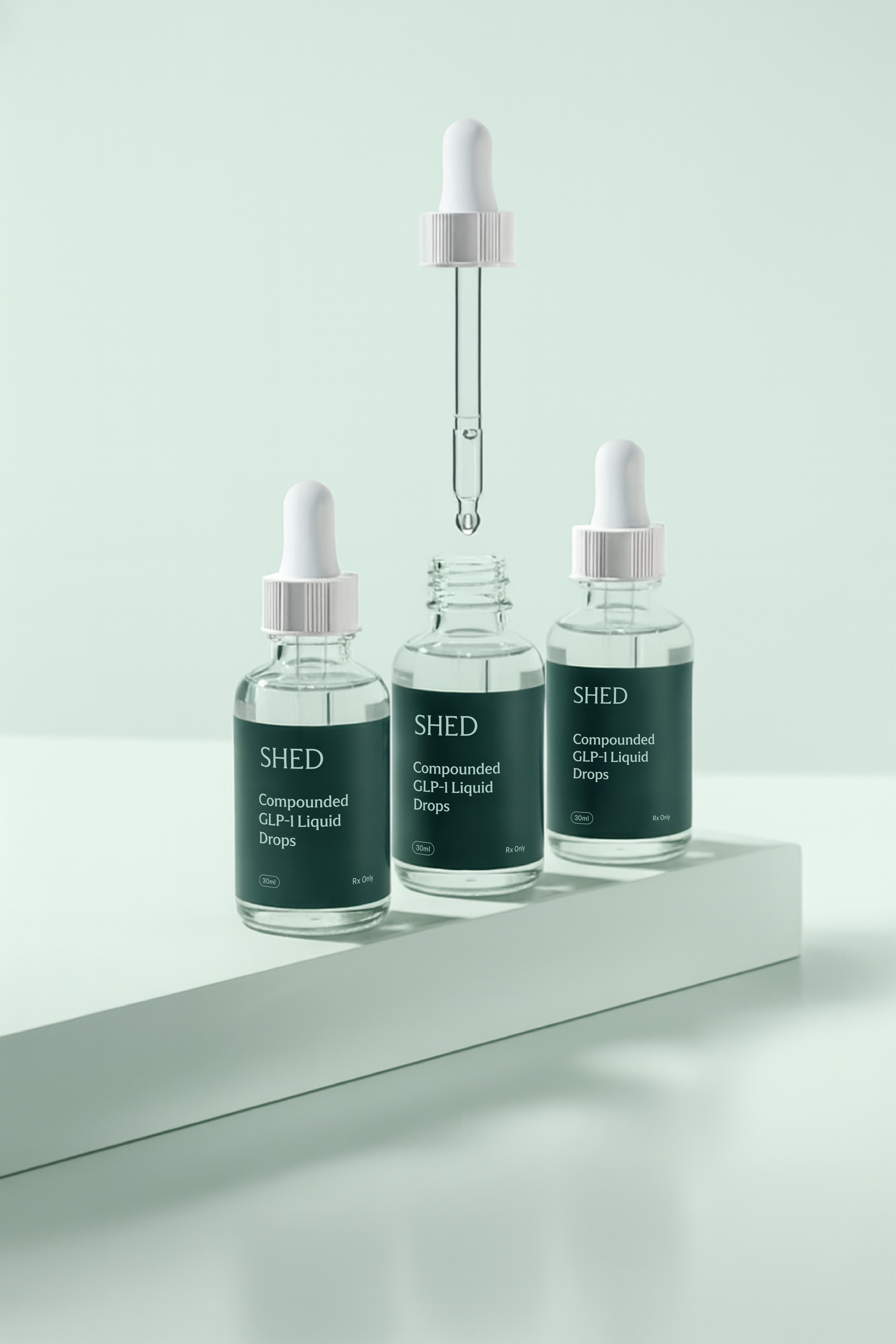
The most common compounded GLP-1 alternatives come in lozenges or drops.
GLP-1 lozenges
Lozenges are tablets that dissolve slowly under the tongue, allowing the medication to be absorbed through the oral mucosa. GLP-1 Lozenges are typically taken once per day, but dosage can vary based on response and goals.
GLP-1 drops
GLP-1 drops are absorbed under the tongue to bypass digestion and enter the bloodstream. They are taken daily and can be a good option for those looking for needle-free GLP-1 support.
What about GLP-1 patches?
While not an oral GLP-1, GLP-1 patches have risen in popularity as another alternative to GLP-1 injections. However, this popularity is due largely to social media presence, not actual science.
GLP-1 patches are adhesive products containing herbal ingredients and vitamin blends marketed to support the body’s natural GLP-1 production. They do not contain GLP-1 medication, and it’s unlikely that ingredients would be able to be absorbed through the skin anyway.
No clinical studies have shown that topical patches have any GLP-1–like benefits. At best, they’ll do nothing, but at worst could have potential side effects or cause delayed access to truly effective, medically supervised care.
For these reasons, GLP-1 patches are not recommended as an alternative to GLP-1 injections or oral alternatives.
Side effects of oral GLP-1s
The side effects of oral GLP-1s are similar to what patients may experience with injectable GLP-1s. The most common side effects are gastrointestinal, which includes nausea, bloating, constipation, and diarrhea. For those taking GLP-1 drops, dry mouth can also occur.
Side effects tend to be mild and often subside as the body adjusts to the medication and diet changes.
Which oral GLP-1 alternative is the best?
There is no one-size-fits-all GLP-1, so the simple answer is: it depends. The Wegovy® pill has stronger evidence for effectiveness, but some individuals may have a better experience with lozenges or drops. The best option for you is the one you can use consistently and safely while getting the desired results.
Your provider will take into account your medical history, health goals, and lifestyle to help you find the best oral GLP-1 treatment plan for you.
Ready to get started? Visit tryshed.com today to see if you qualify.
FAQs
Are oral GLP-1 medications as effective as injections?
FDA-approved oral options like the Wegovy® pill have shown weight-loss results comparable to Wegovy® injections in clinical trials when paired with lifestyle changes. Compounded options like lozenges and drops have less clinical evidence, with results varying more widely from person to person.
How long does it take for oral GLP-1s to work?
Most people begin noticing appetite changes within the first few weeks, with more significant weight loss occurring over 8–12 weeks. Full results typically build over several months, especially as dosing gradually increases.
Are compounded GLP-1 lozenges and drops safe?
Compounded GLP-1s can be prescribed by licensed providers when deemed medically necessary, but are not FDA-approved. Compounded medications are generally considered safe when prepared by reputable, licensed pharmacies. Only use compounded GLP-1s under clinical guidance.
What are the most common side effects of oral GLP-1s?
Side effects are similar to injectable GLP-1s and may include nausea, bloating, constipation or diarrhea, or reduced appetite. Side effects are usually temporary and improve as your body adjusts.
Who is a good candidate for oral GLP-1 medications?
Oral GLP-1s may be a good fit for individuals who prefer to avoid needles or who want more flexibility with storage and travel. A licensed provider can help determine which delivery method is best for your needs.
This information is for educational purposes only and is not a substitute for medical advice. Please consult your healthcare provider before starting or changing any medication.
*In clinical trials of Wegovy® (FDA-approved semaglutide), participants achieved an average weight loss of approximately 15% over 68 weeks, with some participants achieving up to 20% with continued treatment and adherence, when combined with diet and exercise. This compares to approximately 2–3% weight loss with diet and exercise alone.
Wegovy® (semaglutide) is FDA-approved for chronic weight management in adults with obesity or overweight who have at least one weight-related condition, such as high blood pressure, type 2 diabetes, or high cholesterol. Individual results may vary. The most common side effects are gastrointestinal, including nausea, constipation, or mild bloating, which typically improve as your body adjusts. Wegovy® is a prescription medication and is prescribed only after consultation with a licensed healthcare provider to determine appropriateness.
**Compounded medications are prepared by licensed pharmacies to meet the specific needs of individual patients. These medications are not reviewed or approved by the FDA for safety, effectiveness, or quality. However, they are made in accordance with strict regulatory guidelines. Prescription is only available after consultation with a licensed provider to determine if treatment is appropriate. If your clinician determines that a compounded medication is clinically appropriate for you, please be aware that it is not an FDA-approved product.