



.svg)


There’s a common misconception that Ozempic® works quickly. The reality is a little more nuanced, and understanding that upfront can make all the difference in how you approach treatment. For some people, the process may be gradual rather than immediate, and noticeable changes such as weight trends or measurable blood sugar improvements often take a considerable amount of time. Factors such as dose escalation, consistency with treatment, overall health, metabolism, and lifestyle habits all play a role in how quickly someone notices results.
How quickly does Ozempic® work in the body?
Ozempic® is FDA-approved for improving blood sugar control in certain adults with type 2 diabetes and may also be prescribed in broader weight-management discussions when determined medically appropriate by a licensed healthcare provider. It contains semaglutide, a medication that works by mimicking a hormone your body naturally produces called GLP-1 (glucagon-like peptide-1).
Although results may begin fairly early in treatment for some patients, metabolic changes happening beneath the surface may not always translate into visible results right away. A person may not notice dramatic physical changes during the first few weeks because the medication is still building in the body, and providers prescribe treatment at a lower dose. Meaningful clinical outcomes, including measurable A1C reduction or weight changes, may develop over a longer period of consistent use and medical supervision.
When will you notice results from Ozempic®?
There is an important difference between the medication working biologically and someone noticing visible results. Some people may begin to notice effects on their blood sugar relatively early in their titration schedule, though individual results can vary.
Appetite-related effects may also happen relatively early. Some people report feeling fuller sooner during meals or noticing reduced cravings within the first several weeks. These changes may gradually influence eating habits over time.
It’s also important to remember that response speed varies from person to person. Two people taking the same medication may experience very different timelines depending on their metabolism, health history, dose progression, and lifestyle habits.
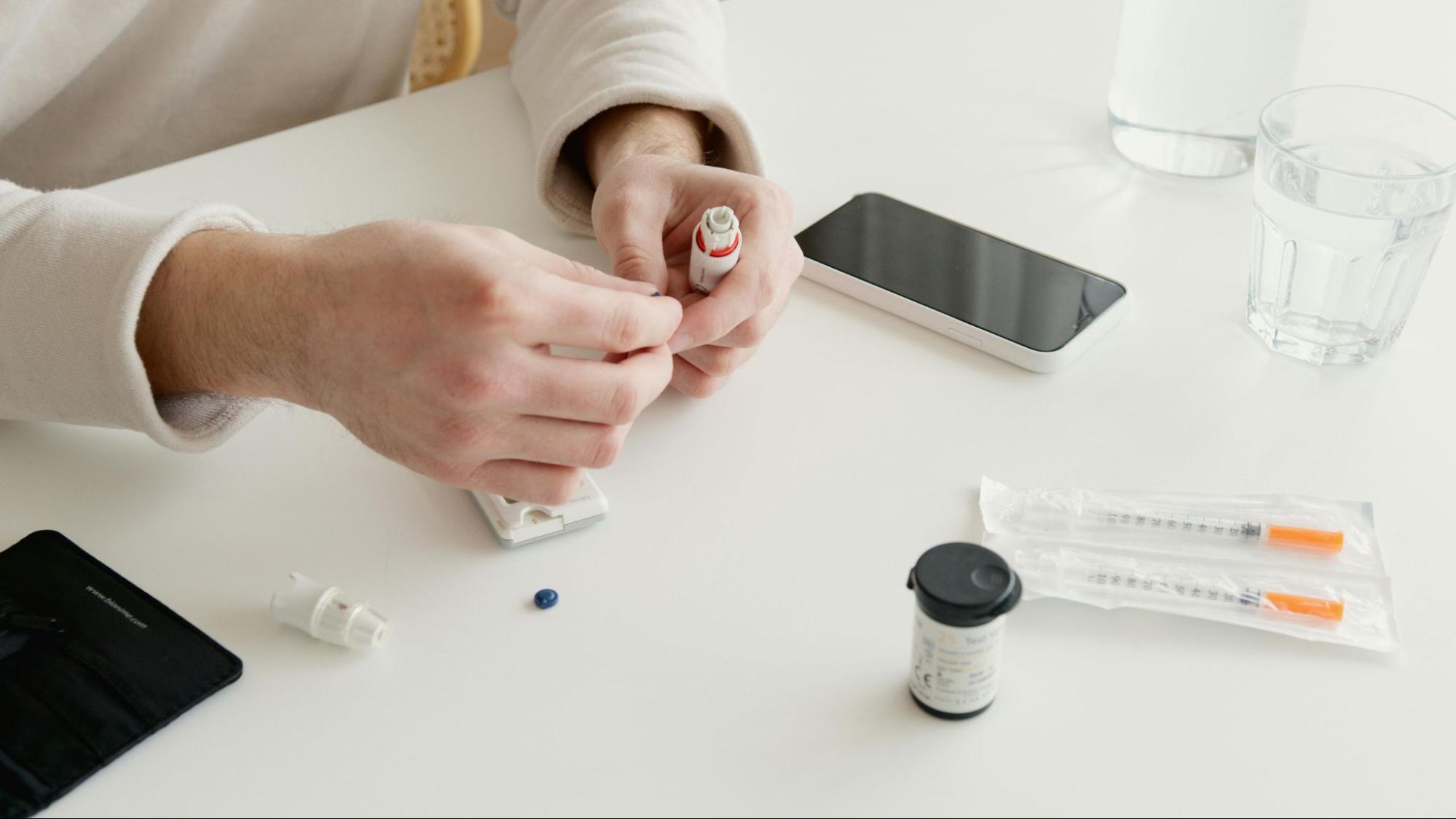
Typical timeline for Ozempic® results
Although every patient responds differently, there are some common patterns providers often discuss when setting expectations.
- Weeks 1-4: During the first several weeks, the medication is usually introduced gradually through dose escalation. This phase can help the body adjust while improving tolerability. At this stage, some individuals may notice mild appetite changes or early improvements in blood sugar readings, while others may not feel significant differences yet.
- Months 1-2: Over the first two months, some patients may begin noticing more consistent appetite suppression or glucose improvements. Small weight fluctuations may also begin to appear for some individuals. However, it is still common for progress to feel gradual during this period because the starting dose does not typically provide the full therapeutic effect.
- Months 3 and beyond: With continued treatment and provider-guided dose increases, more measurable A1C or weight trends may become apparent over several months. Clinical trials like the SUSTAIN program published in The New England Journal of Medicine have shown meaningful A1C reductions and weight loss over 26-52 weeks of use. While individual results vary, this reinforces that Ozempic® is designed for the long game, not quick fixes.*
This timeline is only a general clinical pattern and should not be viewed as a guaranteed schedule. Consistency, follow-up care, and individual medical guidance remain important throughout treatment.
Why providers typically start with a low dose
If you’re wondering why you’re starting at such a small dose, it’s not because it takes time for the medication to “kick in.” It’s because the dose escalation strategy is primarily designed to help protect you from side effects. Common side effects like nausea, vomiting, and digestive discomfort are much more likely at higher doses, especially early on.
Starting low and increasing gradually allows your body to adjust, which increases the likelihood that the medication may be more tolerable over time. This also means that effectiveness tends to build gradually over time. The general starting dose is usually not considered the full therapeutic dose, which is one reason noticeable results may take longer than some people expect.
Rushing dose escalation without medical supervision is not recommended. Following provider instructions carefully can help support both safety and long-term adherence.
Important note: Ozempic® and other semaglutide-containing medications have a boxed warning regarding an increased risk of thyroid C-cell tumors. Tell your provider if you have a personal or family history of medullary thyroid carcinoma (MTC) or Multiple Endocrine Neoplasia syndrome type 2 (MEN 2).
Factors that influence how fast Ozempic® works
No two people respond to Ozempic® the same way. Several factors shape how quickly and how strongly you respond:
Individual metabolism and health status
A person’s metabolism, body composition, insulin resistance, and underlying health conditions all affect treatment response. For example, someone with long-standing type 2 diabetes and pronounced insulin resistance may follow a different response curve than someone earlier in their metabolic health journey or using Ozempic® primarily for weight-management support.
Age and genetic factors may also play a role in how GLP-1 receptors respond to semaglutide. A large-scale genome-wide association study of nearly 28,000 individuals who had used GLP-1 medications found direct evidence that variation in the genes targeted by these medications contributes to why people respond differently to GLP-1 therapies, with outcomes ranging from minimal weight changes to reductions of 20% or more. Because of this variability, clinical timelines are typically ranges rather than guarantees.
Dose titration and consistency
Ozempic® is intentionally introduced at a low starting dose—typically 0.25 mg weekly—before gradually increasing under provider supervision. This titration period is designed to minimize side effects, but it also means the full therapeutic effect builds over time rather than appearing immediately. As the dose progresses toward 0.5 mg, 1 mg, or higher, some people begin to notice more meaningful changes in appetite, blood sugar regulation, or weight as time progresses. In one 2025 study that evaluated the weight-loss results of participants on a titration schedule, the median weight loss of participants who participated for 6 months was 9.4%. For those who participated for more than 12 months, the median weight loss was 14.4%. These results indicate that the titration schedule supports real-world effectiveness.**
Adherence also matters, as missing doses or using medication inconsistently may delay results and make it harder to evaluate effectiveness accurately. Research published in the peer-reviewed journal Patient Preference and Adherence found that patients who adhered consistently to once-weekly semaglutide saw improved clinical outcomes, including meaningful reductions in HbA1c and BMI compared to non-adherent patients. Sticking to a regular weekly schedule, as directed, gives the treatment the best opportunity to perform.
Lifestyle habits
While Ozempic® may support appetite regulation and glucose control, lifestyle habits still play an important role in long-term progress. Nutrition patterns, physical activity, sleep, and overall lifestyle behaviors can influence outcomes alongside medication use.
In fact, research consistently shows that GLP-1 medications work best when combined with behavioral changes, not as a standalone fix. Providers often encourage patients to view Ozempic® as one part of a broader health strategy, a complement to sustainable habits rather than a replacement for them. Building those habits during treatment may also help support long-term progress.
What if Ozempic® seems like it’s not working?
It can feel discouraging when progress seems slow, especially during the first few months of treatment. However, gradual improvement is common early on. In many cases, dose escalation may still be underway, which means the medication has not yet reached the intended maintenance dose.
Giving the medication adequate time is often important before evaluating overall effectiveness. Providers typically assess progress over long periods rather than expecting dramatic short-term changes. That said, there are situations where checking in with a healthcare provider makes sense.
If you’re well into treatment, staying consistent, and still seeing no response at all, or if side effects are interfering with treatment adherence, a provider can help reassess the treatment strategy. You can also explore whether other medication options might be a better fit for your situation. Metformin + Naltrexone + Topiramate is one example of an alternative approach that may be worth discussing with your provider.†

Ozempic® and semaglutide safety considerations
Ozempic® requires a prescription and ongoing provider oversight. It’s not a medication you should take without regular check-ins. Common side effects tend to fall into gastrointestinal categories: nausea, bloating, constipation, or diarrhea. Headaches are also sometimes reported early in treatment, often linked to changes in eating patterns or reduced caloric intake that can accompany appetite suppression.
For many people, these symptoms may ease as the dose titration progresses, which is part of why the gradual escalation schedule exists in the first place. Less commonly, some individuals may experience fatigue, dizziness, or changes in heart rate, and while serious adverse events are rare, they are worth discussing with your provider before and during treatment. If side effects feel severe or persistent, don’t push through alone. Contact your provider. You should only use medication as prescribed and under appropriate supervision.
When to talk to a provider about your progress
Regular provider communication is an important part of treatment. Check in with your provider if any of the following apply:
- You’re not seeing any improvements after a reasonable period of consistent use.
- Side effects are worsening or becoming hard to manage.
- Your health goals have shifted or you are considering oral options like the Wegovy® pill.
- You have questions about whether a dose adjustment makes sense.
Routine monitoring helps create a more personalized approach and allows providers to evaluate both safety and effectiveness over time.
Ozempic® may begin working in the body relatively early, but noticeable results usually take time. The most important things you can do are stay consistent, keep in contact with your provider, and resist the urge to rush the process. If you’re exploring whether a GLP-1 program might be right for you, Shed facilitates access to licensed providers who can help evaluate your options and guide your next steps.
FAQs about how quickly Ozempic® works
How fast does Ozempic® start working?
Ozempic® begins working in the body shortly after the first doses to support blood sugar regulation, but noticeable clinical results typically take longer. Some people may begin seeing measurable changes over several weeks to months, though individual responses vary.
How long does it take to lose weight on Ozempic®?
Weight-related changes usually develop gradually. Some people notice early appetite changes within the first few weeks, while more measurable weight trends often take a few months of consistent use and dose escalation.
Does Ozempic® work immediately?
Ozempic® starts working in the body soon after administration, but its full clinical effects build over time. Because providers typically begin with a lower dose and increase gradually, noticeable results are not usually immediate.
Why am I not seeing results yet?
Several factors influence response speed, including dose level, time on medication, adherence, and individual metabolic differences.
How quickly does semaglutide work compared to Ozempic®?
Ozempic® contains semaglutide as its active ingredient, so their timelines are closely related. However, individual response, dosing, and the specific product used can influence how quickly someone notices changes.
*Data derived from the SUSTAIN clinical trial program evaluating adults with type 2 diabetes over a timeframe of 26 to 52 weeks. Individual weight-loss outcomes were secondary endpoints to glycemic control (HbA1c reduction).
**Refers to a 2025 real-world retrospective cohort study measuring median weight loss at 6 months (9.4%) and 12 months (14.4%) based on treatment adherence.
†Off-label use. Use only as directed by a licensed provider. These combinations involve clinical uses that are not uniquely FDA-approved for weight loss as a combined single agent.
Disclaimer:
This content is provided for educational and informational purposes only and is not intended as medical advice, diagnosis, or treatment. You should consult a licensed healthcare provider for evaluation and guidance specific to your situation before starting or changing any treatment, supplement, or medication.
Ozempic®, Wegovy®, Mounjaro®, and Zepbound® are registered trademarks of their respective manufacturers (Novo Nordisk and Eli Lilly). Shed is an administrative platform and is not affiliated with, endorsed by, or associated with these manufacturers. Compounded medications prepared by our partnered licensed pharmacies are not FDA-approved, and are not reviewed by the FDA for safety or efficacy.