
.svg)


Glutathione and NAD+ are two of the body’s most studied molecules for supporting healthy cellular function. They play distinct roles in supporting detoxification, antioxidant defense, energy production, and overall cellular resistance. When both are supported, they form a complementary, two-layer system that helps protect cells while powering efficient metabolic function.
This guide breaks down what each molecule does, how they interact, and why supporting both may create a more balanced foundation for long-term cellular health.
.jpg)
Glutathione: The body’s master antioxidant and cellular protector
Glutathione is often referred to as the body’s “master antioxidant” because it helps neutralize free radicals and supports the body’s natural detoxification pathways. It plays a major role in maintaining cellular defense and supporting immune and liver function.
What glutathione does for the body:
- Helps protect cells from oxidative stress
- Supports healthy immune function
- Supports natural detoxification processes in the liver
- Helps recycle other antioxidants (vitamin C, vitamin E)
When glutathione levels are low—whether it’s because of stress, aging, poor nutrition, or increased toxin exposure—normal cellular processes may become more vulnerable to oxidative stress, which may affect how efficiently cells recover from everyday demands.
.jpg)
NAD+: The coenzyme that powers energy, repair, and longevity pathways
NAD+ (nicotinamide adenine dinucleotide) is essential for converting food into cellular energy (ATP) and supporting many metabolic reactions.
What NAD+ does for the body:
- Supports the conversion of food into ATP
- Supports healthy mitochondrial function
- Helps activate sirtuins, proteins associated with cellular stress response and longevity pathways
NAD+ levels naturally decline with age, which has been linked to fatigue, cognitive slowdown, and metabolic inefficiencies.
How glutathione and NAD+ work together
Though glutathione and NAD+ act in different pathways, those pathways constantly interact. Supporting both may create a more balanced environment for healthy cellular function than focusing on one alone.
1. Lower oxidative stress may support more efficient NAD+ use*
High oxidative stress can place increased demand on NAD+. When glutathione is available to help neutralize free radicals, NAD+ can be reserved for energy metabolism and cellular repair rather than stress management.
2. Healthy mitochondrial function may support glutathione recycling*
NAD+ is essential for mitochondrial efficiency. When mitochondria function well, they generate fewer reactive byproducts, which may reduce overall oxidative burden and support glutathione in its active, protective form.
3. Detoxification and repair work in parallel*
Glutathione helps support natural detoxification processes, while NAD+ helps activate enzymes involved in cellular repair and metabolic pathways. Together, they help maintain a cleaner, more efficient cellular environment where cells can function optimally.
4. Protection + efficiency = stronger cellular resilience*
Glutathione is the shield, supporting protection from oxidative stress, while NAD+ is the engine, supporting energy and metabolic function.
When these systems are supported, cells may be better able to:
- Manage everyday stressors
- Support healthy repair processes
- Maintain efficient clean energy production
- Support balanced inflammatory and detox pathways
- Maintain resilience during times of increased metabolic demand
- Support healthy aging at the cellular level
Why you need both: A balanced approach to cellular resilience
Supporting one and not the other is a lot like maintaining engine oil in your car (NAD+) but ignoring the air filter (glutathione), or vice versa.
For example, when only glutathione is supported:
- Cells receive antioxidant support, but metabolic efficiency may remain limited.
- Detox pathways are supported, but energy production may still feel suboptimal.
On the other hand, when only NAD+ is supported:
- Cells may produce energy more efficiently, but oxidative stress may still place a burden on them.
- Mitochondria may be active, but without enough antioxidant support to balance everyday oxidative exposure.
In other words, you need both. Glutathione helps support protection while NAD+ helps support efficiency and repair. Together, they help create an environment of long-term cellular resilience.
To go back to the car analogy, when both are supported, the engine runs more smoothly and efficiently for the long haul.
Whole-body support at Shed
We’re all about whole-body health here at Shed, which is why we offer a variety of science-backed wellness solutions that help you feel your best—so you can be the real you.
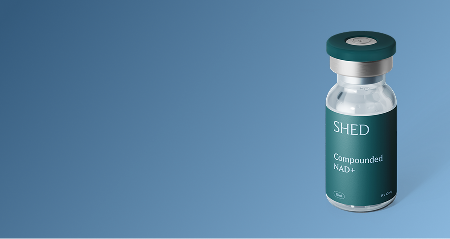
Learn more about NAD+ and Glutathione today and see if you qualify.
FAQs: Glutathione, NAD+, and cellular health
What’s the main difference between glutathione and NAD+?
Glutathione is a master antioxidant that supports detoxification and protection against oxidative stress. NAD+ is a coenzyme that helps generate cellular energy and support repair pathways. They serve different roles but work together to maintain cellular balance.
What causes glutathione levels to decline?
Aging, chronic stress, poor diet, exposure to toxins, and alcohol can all lower glutathione levels.
What causes NAD+ levels to decline?
NAD+ naturally decreases with age, starting as early as your late 20s. Lifestyle factors like poor sleep, poor diet, high alcohol intake, chronic stress, exposure to toxins, and a sedentary lifestyle can also play a role.
Can glutathione or NAD+ supplements replace a healthy lifestyle?
No. While they support cellular processes, they work best alongside healthy habits like adequate sleep, nutrition, hydration, exercise, and stress management.
How do NAD+ and glutathione support healthy aging?
NAD+ may support mitochondrial energy and cellular repair, while glutathione may support antioxidant defense and detoxification. Together, they can help keep cells functioning properly and be more resilient over time.
Are NAD+ and glutathione safe to use together?
For most people, yes. Always consult with a healthcare provider before starting any new supplement or medication.
This information is for educational purposes only and is not a substitute for medical advice. Please consult your healthcare provider before starting or changing any medication.
*These statements have not been evaluated by the FDA. These products are not intended to diagnose, treat, cure, or prevent any disease.