
.svg)


If you’re on a GLP-1 medication, you may hear a lot about hydration and electrolytes—and for good reason. Many people notice lower thirst, smaller portions, and slower digestion, which can make it easier to under-hydrate without realizing it.
That’s where electrolytes come in. Let’s break it down simply.
What are electrolytes?
Electrolytes are minerals—including sodium, potassium, magnesium, and calcium—that help regulate fluid balance, nerve signals, muscle contractions, and energy levels. Your body is made up of approximately 60% water, which means electrolytes play a role in nearly every cell and fluid in your body. Water and electrolytes work together to help your body absorb and use fluids properly: water hydrates, and electrolytes help your body use that water effectively.
Why electrolytes matter on a GLP-1
GLP-1 medications can change hydration needs in a few ways:
- You may drink less because thirst is reduced
- You may eat less, meaning you’re getting fewer electrolytes from food
- Slower digestion can increase constipation risk
- Rapid weight loss can increase fluid shifts
- Some people experience headaches, fatigue, or dizziness
Electrolytes can help support:
- Steady energy
- Hydration
- Reduced headaches
- Muscle function
- Digestion support
- Recovery after exercise
- Preventing fatigue while eating less
You don’t need large amounts of electrolytes, but being mindful of balanced intake can make a noticeable difference in how you feel.
Do you need electrolytes every day if you’re on a GLP-1?
Not necessarily, but many people on a GLP-1 may benefit from electrolyte supplementation. You might want to consider it if you:
- Have low appetite
- Eat smaller meals
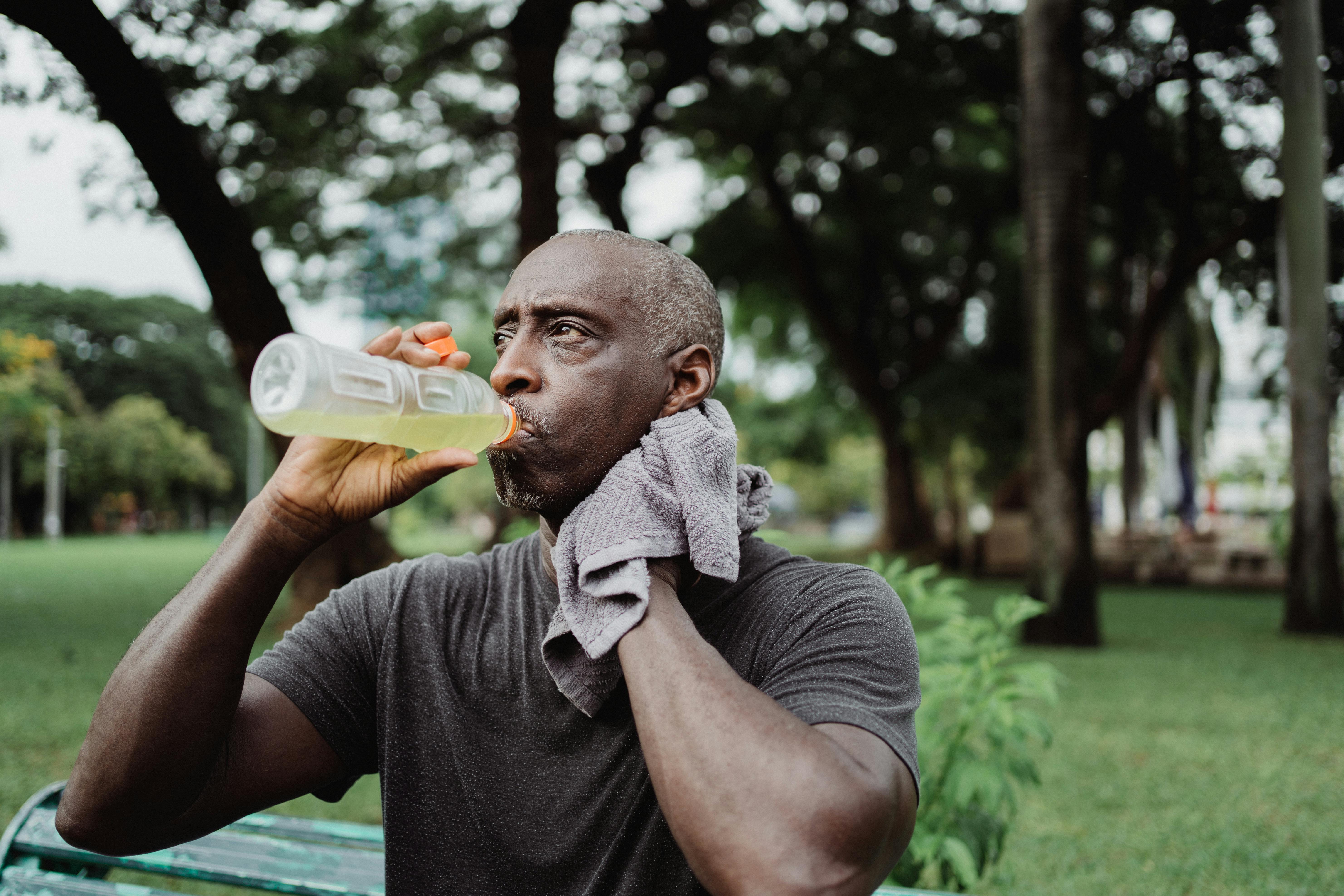
- Sweat during exercise
- Experience headaches
- Feel fatigued
- Are constipated
- Drink mostly plain water
Food sources to get electrolytes naturally
Food should be your first source to ensure you’re getting the electrolytes you need. These GLP-1 friendly foods support electrolyte levels and nutrition at the same time. Here are some easy options:
Sodium
- Broth or bone broth
- Cottage cheese
- Pickles
- Olives
Potassium
- Avocado
- Spinach
- Sweet potatoes
- Beans
- Yogurt
- Bananas
Magnesium
- Nuts and seeds
- Dark chocolate
- Leafy greens
- Whole grains
- Legumes
Calcium
- Greek yogurt
- Milk
- Kefir
- Cottage cheese
- Tofu

Simple natural electrolyte drink ideas
You can also get creative with drinks using ingredients you already have on hand:
- Water with a squeeze of lemon and a pinch of sea salt
- Coconut water with water
- Bone broth (warm hydration option)
- Water with berries and pinch of sea salt
- Water with lime and cucumber slices
What to look for in store-bought electrolyte options
Store-bought electrolytes can be a good option, but pay special attention to the labels. Many contain high sugar or excessive sodium.
Look for:
- Lower sugar or naturally sugar free (sweetened with stevia, monk fruit, erythritol, etc.)
- A variety of electrolytes (not just sodium)
- Optional added benefits (i.e., protein or vitamins)
Better options:
- Naturally sugar-free electrolyte packets or electrolyte tablets
- Coconut water (diluted, no added sugar)
- Protein + electrolyte combinations
A smart option: Protein and electrolytes together
Two of the main challenges people on a GLP-1 experience are staying hydrated and consuming enough protein. Combining the two can be very helpful; it’s a simple way to hydrate while supporting metabolism and muscle.
Shed’s Clear Protein Hydration makes it easy to take care of both: protein to support muscle and metabolism, and electrolytes for hydration support. It’s also a great boost between meals or after workouts, and is an easy option when you don’t have much of an appetite or need something light to get you through the next few hours.
When to take electrolytes
Electrolytes aren’t required for everyone, but the can be a helpful tool for those on GLP-1 medications like semaglutide and tirzepatide. Consider taking them:
- First thing in the morning
- Between meals
- Before or after exercise
- During hot weather
- When appetite is low
- If experiencing headaches
- If feeling fatigued
- If constipated
Start with whole foods, balanced meals, and hydration throughout the day to meet your electrolyte needs. If you need more support, then consider adding natural electrolyte drinks, low-sugar or naturally sugar-free store options, or a protein and electrolyte combination like Clear Protein Hydration.
Small habits like this help support a smoother, more sustainable GLP-1 journey.
Frequently asked questions
Can electrolyte imbalance cause fatigue on a GLP-1?
Yes. Fatigue is one of the more common signs that your electrolyte intake may be too low. On a GLP-1 medication, reduced appetite and lower food intake can mean you’re getting fewer electrolytes from meals. When key minerals like sodium, potassium, and magnesium dip, your energy, focus, and muscle function can all take a hit.
What are the signs of dehydration?
Common signs include headaches, fatigue, dizziness, dark-colored urine, dry mouth, and constipation. Because thirst may decrease while on a GLP-1 medication, aim to drink fluids consistently throughout the day rather than waiting until you feel thirsty.
What is the best electrolyte drink for people taking GLP-1 medication?
The best electrolyte drink is one that is low in sugar, contains a variety of electrolytes (not just sodium), and fits easily into your routine. Natural options like coconut water diluted with water or water with a pinch of sea salt and lemon work well. If you prefer a store-bought option, look for sugar-free electrolyte packets sweetened with stevia or monk fruit. A protein and electrolyte combination drink can be especially helpful on GLP-1 medications since it supports both hydration and your daily protein goals at the same time.
How much water should I drink on a GLP-1?
Individual needs vary based on body size, activity level, and climate, but aim for at least 64 ounces of water per day. It helps to build hydration habits into your day, such as drinking a glass of water first thing in the morning, after each meal, and before or after exercise.
Can I get enough electrolytes from food alone?
It’s possible, but you will likely need to keep track of your electrolyte intake to be sure, at least at first. If you’re eating small portions or frequently skipping meals, food alone may not be enough. In those cases, a low-sugar electrolyte drink or supplement can be a practical and easy way to fill the gap.
References
https://www.cdc.gov/healthy-weight-growth/water-healthy-drinks/index.html
https://my.clevelandclinic.org/health/diagnostics/21790-electrolytes
https://www.ncbi.nlm.nih.gov/books/NBK541123/