




.svg)


The holidays are a time for celebration, family, and, of course, delicious food. You might think you have to give up all your favorite foods to feel your best during the holidays, but you don’t actually need a full nutrition overhaul to stay on track with your health goals. Many of the classic dishes you’re already serving are naturally nutrient-dense holiday foods packed with vitamins, minerals, fiber, and antioxidants.
Here are 10 seasonal superfoods that can help support energy, digestion, immune health, and metabolic balance without giving up the holiday staples you love.
1. Cranberries
Fresh or dried (without added sugar), cranberries are rich in polyphenols and antioxidants that support urinary tract health and reduce oxidative stress. They contribute vitamin C and fiber, making them a perfect addition to healthy holiday eating. A small handful in salads, relishes, or baked dishes adds both brightness and nutrition.
2. Sweet potatoes
Sweet potatoes provide beta-carotene for skin, eye, and immune health, plus slow-digesting carbohydrates that support steady energy. Roasting or mashing them with spices keeps their nutrients front and center without relying on added sugars.
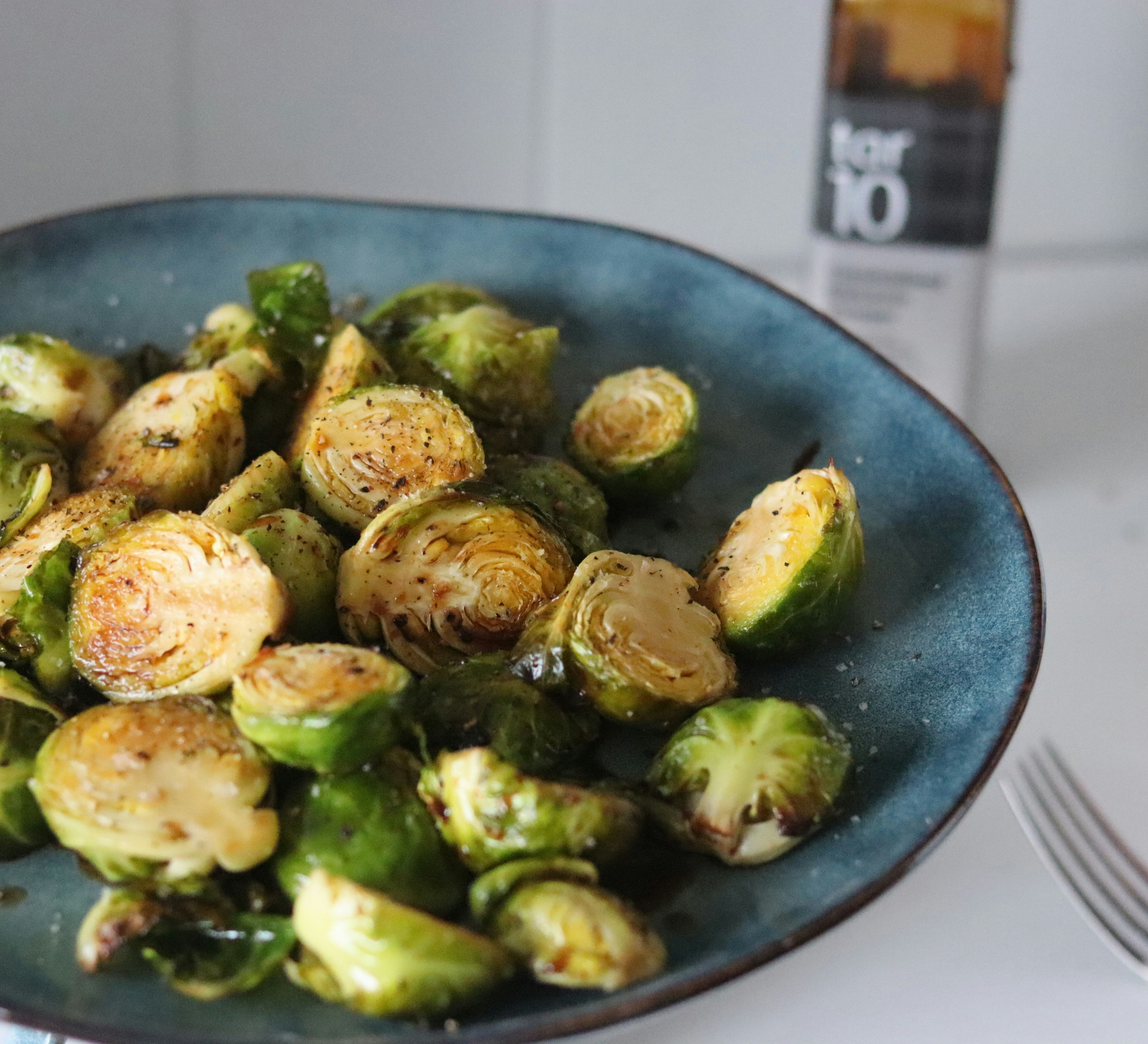
3. Brussels sprouts
This cruciferous vegetable offers fiber, vitamin K, vitamin C, and glucosinolates, compounds that support detoxification pathways and gut health. Roasted, shaved, or sautéed, they add both crunch and powerful nutrients to any holiday table.
4. Winter squash (butternut, acorn, delicata)
These seasonal squashes are rich in vitamin A, potassium, and soluble fiber. They support digestion, hydration, and metabolic health while naturally enhancing soups, sides, and roasted dishes—perfect for nutrient-packed holiday recipes.
5. Pomegranates
Pomegranate arils deliver vitamin C, polyphenols, and antioxidants that support immune health and healthy skin. Sprinkling them over salads, yogurt, or roasted vegetables adds micronutrients and color.

6. Turkey
Lean turkey is high in protein, B vitamins, selenium, and zinc, nutrients essential for immune function, metabolic health, and muscle repair. A palm-sized portion can help support satiety and steady energy throughout the day.
7. Green beans
Green beans offer vitamin K, vitamin C, fiber, and folate. Steaming or sautéing them with olive oil or almonds keeps their nutrients intact while still adding flavor and texture.
8. Nuts (pecans, walnuts, almonds)
Holiday classics like pecans and walnuts contain healthy fats, fiber, and antioxidants that support brain and heart health. A small handful can help stabilize appetite and add nutrient density to desserts and salads.
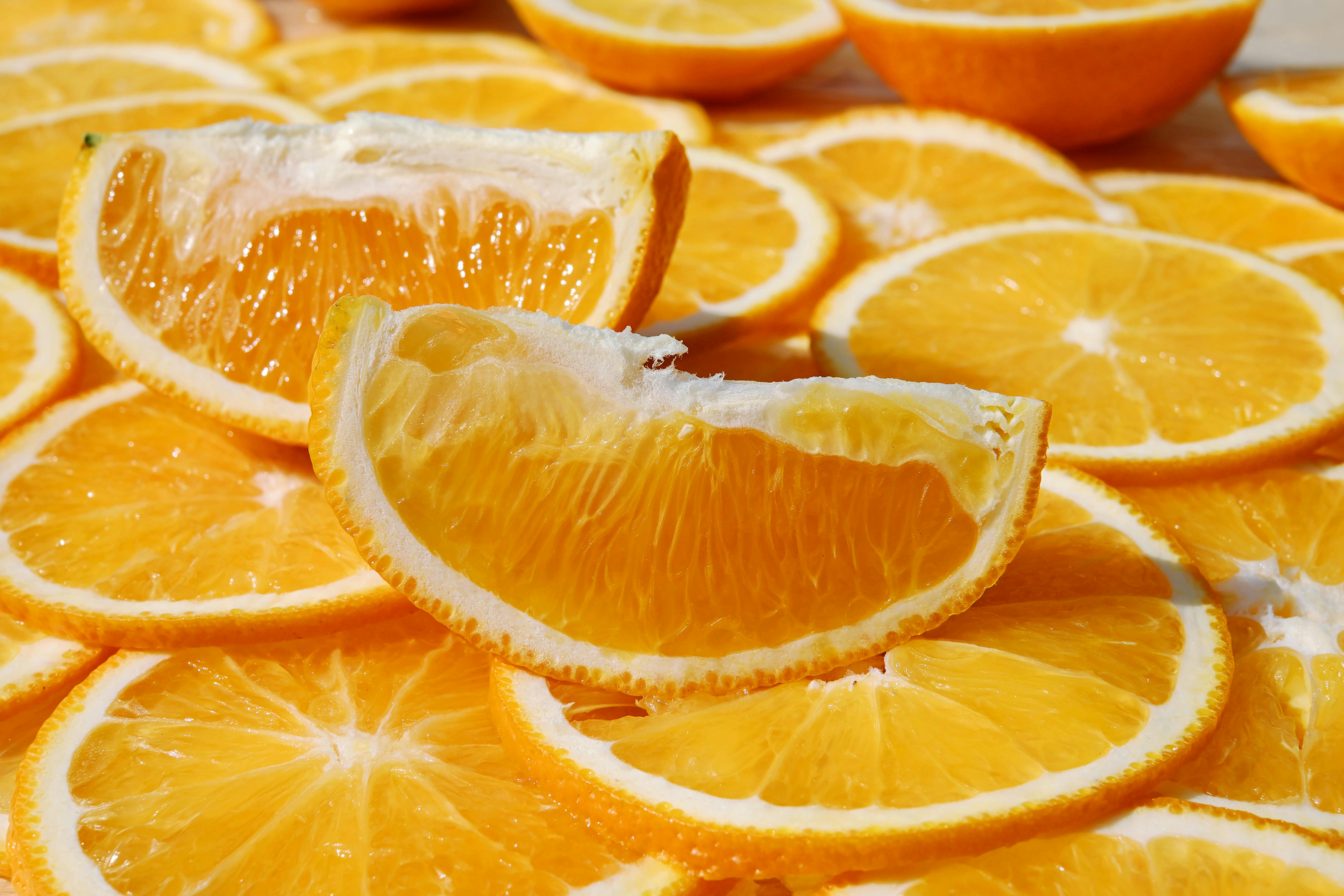
9. Citrus fruits
Oranges, clementines, and grapefruit are packed with vitamin C, hydration, antioxidants, and flavonoids that support immune and skin health. Keeping a bowl available is an easy way to add something fresh, seasonal, and nourishing to your healthy holiday meals and snacks.
10. Herbs and spices (rosemary, sage, cinnamon, nutmeg)
These often-overlooked ingredients are rich in antioxidants and anti-inflammatory compounds. Cinnamon supports healthy blood sugar balance, rosemary and sage contain brain-supportive polyphenols, and nutmeg adds trace minerals, all while enhancing flavor without added sugar.
The takeaway
Holiday meals don’t have to be all “good” or all “bad.” Many of the ingredients already on your table are naturally nutrient-dense holiday foods that can support energy, digestion, and overall well-being. Focusing on these foods makes it easier to enjoy seasonal traditions while staying aligned with how you want to feel physically and mentally.
FAQs: Nutrient-dense holiday foods
How can I make holiday meals healthier without changing traditions?
You don’t have to overhaul your menu; simply emphasize what’s already working. Roasted veggies, fresh herbs, whole-food ingredients, seasonal fruit, and lean proteins like turkey are most likely already on the menu, so make them the star of the feast! Some small tweaks—like using olive oil instead of butter in heavy sauces or adding nuts and citrus to side dishes—also add a little more nutrition without sacrificing the flavors you love.
What traditional holiday foods are actually good for you?
Sweet potatoes, winter squash, cranberries (with no sugar added), citrus fruits, and nuts provide fiber, antioxidants, and micronutrients. Most holiday recipes can be tweaked to have a better balance of nutrition, too (i.e., less sugar, more spices, swapping olive oil for butter, etc.).
Do herbs and spices really make a difference?
Yes. Herbs like rosemary and sage contain polyphenols that support brain health, while spices such as cinnamon, nutmeg, and cloves offer antioxidants and may help with blood sugar balance. They amplify flavor naturally without excess sugar, not to mention fill your home with amazing smells people associate with the holidays.
What’s the best way to enjoy fruit during the holidays without adding sugar?
Mix them into yogurt, oatmeal, salads, or roasted vegetables to brighten dishes and add a boost of vitamins and fiber—and flavor, of course!