




.svg)


For decades, the fitness industry told women to stick to cardio. Lift light. Tone, don't bulk. Go long, not heavy. And for decades, women followed that advice—and quietly lost muscle, bone density, and metabolic power they didn't even know they were losing.
Here's what the research says to do instead: pick up the weight.
A 2026 systematic review and meta-analysis by Isenmann et al., analyzing 126 studies and over 4,000 women across the lifespan, found that resistance training significantly improves muscular strength and body composition in women regardless of age or menopausal status. The effect sizes were nearly identical in pre- and postmenopausal women.
Let that land for a second. Your body doesn't stop responding to strength training just because your hormones shift. The adaptation is still there. The potential is still there. You are still there.
What we got wrong about resistance training for women
Most of what we "know" about resistance training was built on research done predominantly on men. Female bodies were treated as smaller versions of male bodies by default. The Isenmann study is a direct challenge to that assumption and a call to finally put women at the center of the conversation.
The findings confirmed what many practitioners have suspected: women respond to strength training powerfully. Upper body, lower body, across the board. And here's the kicker: training frequency and volume alone don't predict how well a woman adapts. It's not just about doing more. It's about doing it at all.
Why strength training matters for women
- Bone density: Resistance training is one of the most powerful tools for preserving bone as estrogen declines.
- Metabolism: Muscle is a metabolically active tissue. Building it means burning more, even at rest.
- Insulin sensitivity: Skeletal muscle is the primary site of glucose uptake; strength training directly improves metabolic health.
- Longevity: Muscle mass and grip strength are among the strongest predictors of how well and how long we live.
The permission slip you never needed
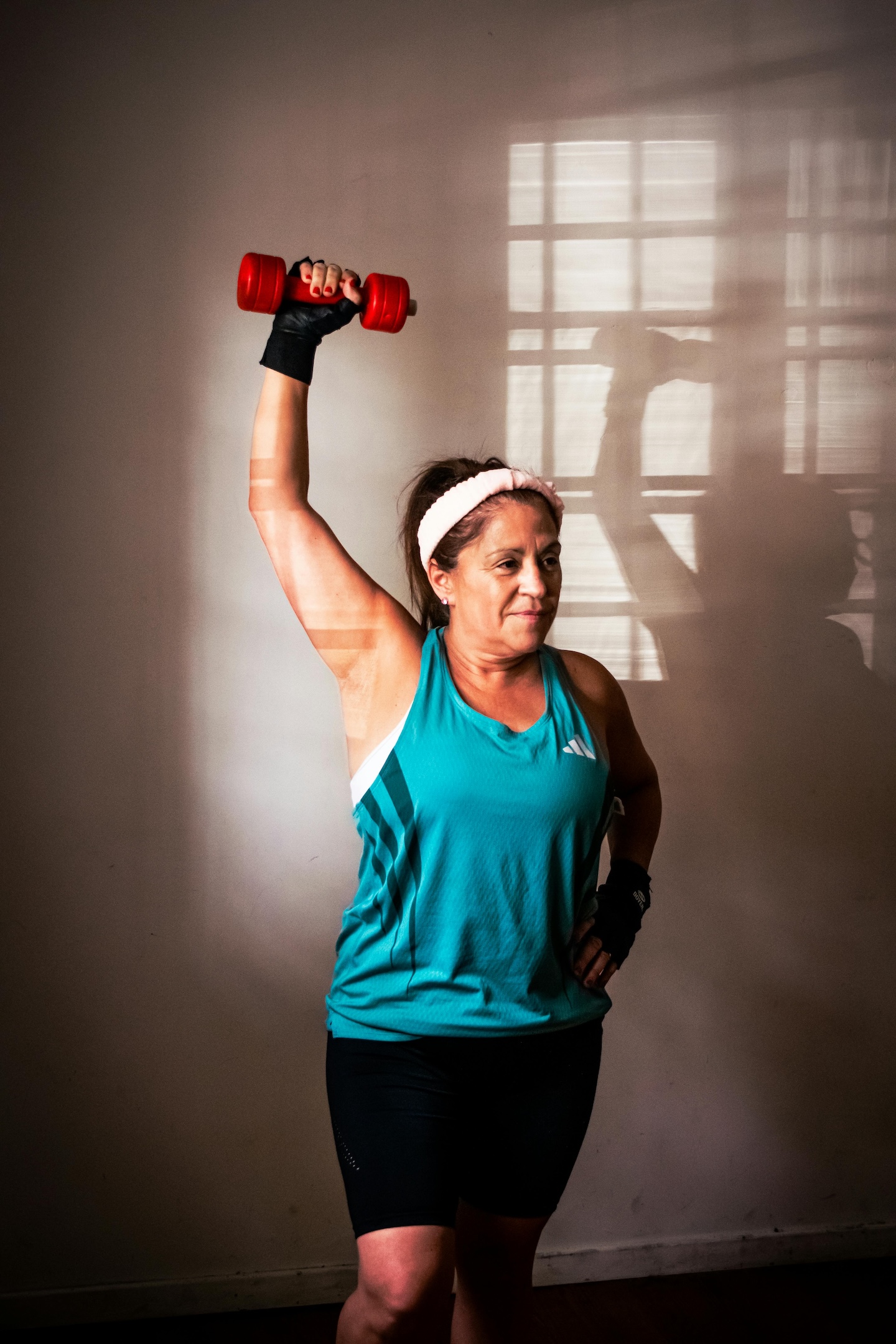
Whether you're 24 or 74, whether you've never touched a barbell or you're returning after years away, your body is ready to adapt. The research isn't just telling us that strength training works for women. It's telling us that we have been dramatically underestimating women's capacity for strength, for change, and for resilience at every stage of life.
The study also flags that we still don't have enough research on women over 70 and in midlife. Which means this conversation is just getting started, and we need to be in it.
Science said it. Now go lift
It's never too late to start. It's never the wrong time to get stronger. So pick up the weight. Science has your back.
Frequently asked questions
How often should women do resistance training?
Research suggests that training frequency alone is less predictive of results than simply doing it consistently. Most guidelines recommend two to four sessions per week for general health and muscle preservation and gains, but the most important factor—for beginners, especially—is consistency over time.
Can resistance training help with weight management?
Absolutely! Muscle is metabolically active tissue, meaning it burns more calories at rest than fat does. Building muscle through resistance training increases your resting metabolic rate, making weight management more sustainable over time, particularly during and after menopause when metabolism tends to slow.
What type of resistance training is best for women?
Any form works (free weights, machines, resistance bands, bodyweight exercises, etc.). The most effective program is one that progressively challenges your muscles over time and that you can sustain consistently. Compound movements like squats, deadlifts, rows, and presses deliver the most benefit per session by working multiple muscle groups at the same time.
How does strength training affect bone density in women?
Resistance training applies mechanical stress to bones, which stimulates bone-forming cells and helps maintain or increase bone density. This is especially important for women, who are at significantly higher risk of osteoporosis than man, a risk that increases after menopause. Weight-bearing and resistance exercises are among the most evidence-backed interventions for bone health.
Will lifting weights make me look bulky?
Women have significantly lower testosterone levels than men, which makes building large muscle mass difficult without deliberate, years-long effort. Resistance training for most women produces a leaner, stronger physique, not bulk.
Can older women (70+) safely lift weights?
Yes, with appropriate programming. The 2026 Isenmann meta-analysis notes that research on women over 70 is still limited, but existing evidence supports both the safety and effectiveness of resistance training in this age group. Beginners should start with lighter loads and focus on movement quality, ideally with guidance from a qualified trainer.
Reference
Isenmann, E., et al. (2026). It's never too late: The impact of resistance training on strength and body composition in females across the lifespan – A systematic review and meta-analysis. Sports Physician Handbook, pp. 761–778.
This content is for informational purposes only and is not medical advice. Consult a licensed healthcare provider before starting or changing any medication.