


.svg)


Compounded medications, 503A vs 503B pharmacies, and how Shed keeps you informed and in access
While news about shortages and FDA rulings can raise a lot of questions, here at Shed, we are dedicated to continuing to provide access to your medications along with updates on current events. We also prioritize compliance and transparency so you and your provider can make confident decisions.
What exactly is a compounded medication?
While you may have heard the term many times, you may not know how compounded medications differ from commercially available medications.
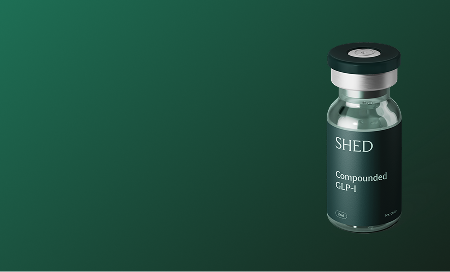
A compounded medication is a drug that is formulated specifically to meet the needs of a specific patient. These medications are made in a licensed compounding pharmacy. Compounded medications are made by mixing, altering, or combining ingredients to create a new medication that is not commercially available in the exact version or dosage prescribed for the patient.
Compounding is commonly used to change a dosage form, remove a known allergen, or create a pediatric or geriatric dose that is not available commercially. It is also used when providers determine a patient-specific need and document medical necessity.
Compounded medications and shortages
Previous shortages made it possible for compounding pharmacies to compound medications like tirzepatide and semaglutide, making the medications more accessible to patients through telehealth clinics. With recent FDA rulings and decisions, some of these clinics may lose access to these compound medications due to updated regulations that may affect their partner pharmacies’ ability to produce them.
Fortunately for Shed, we partner with both 503A and 503B pharmacies, which allows us to continue providing these medications as long as a licensed provider deems it medically necessary to prescribe them to their patients. When FDA shortage designations change, we follow the latest policies and any time-limited transitions the FDA may allow so patient care is not disrupted. The FDA has published specific timelines and enforcement-discretion updates describing when 503A and 503B compounders may no longer rely on a drug’s shortage designation to legally compound copies of commercial GLP‑1 products; the agency’s public guidance explains the phased timeframes and enforcement approach for semaglutide and tirzepatide compounding (FDA: FDA clarifies policies for compounders as national GLP‑1 supply begins to stabilize).
If you and your provider are discussing GLP-1 therapies, you can learn more about our approach to GLP-1 injections and, where appropriate, compounded tirzepatide injections. We also support access to FDA approved options through our Zepbound® membership or Wegovy® membership when clinically appropriate.
503A pharmacy vs. 503B pharmacy
A 503A pharmacy is regulated by state boards of pharmacy and can compound medications only after a licensed healthcare professional determines a need for it for their patient and prescribes it specifically for that individual. These pharmacies are ideal for patient-specific needs.
Just to be clear, pharmacies are not allowed to make copies of commercially available drugs unless there is a documented medical need as determined by a provider.
A 503B pharmacy is registered with and regulated by the FDA. It must follow strict Current Good Manufacturing Practices, often called cGMP, which include routine batch testing and more intensive environmental controls. A 503B pharmacy is able to make compounded medications in bulk, allowing it to help fill the needs of clinics and hospitals. In turn, this means it cannot make patient-specific formulations based on a provider’s determination.
Because 503B pharmacies are FDA regulated, they face limitations when it comes to commercially available drugs, specifically when they are no longer on the shortage list. In general, 503B facilities cannot compound copies of commercially available drugs and must meet cGMP testing and documentation requirements for each batch. Under the FD&C Act, section 503A applies primarily to state-licensed, patient-specific compounding, while section 503B covers registered outsourcing facilities subject to FDA oversight and cGMP; the FDA’s overview details statutory differences such as prescription requirements, bulk drug-substance rules, and applicable quality obligations (FDA: FD&C Act provisions that apply to human drug compounding (sections 503A and 503B)).
How Shed manages quality, compliance, and access
At Shed, we have partnered with both 503A and 503B pharmacies, allowing us to be flexible and remain compliant as FDA regulations evolve. This continues to set us apart from other telehealth clinics. If a provider sees a legitimate medical necessity to prescribe a compounded medication, access to that medication is available through our 503A pharmacies.
We also conduct careful due diligence of our pharmacy partners. We evaluate licensure, inspection history, quality systems, and batch testing practices. You can read more about our pharmacy vetting and compounding approach in our overview of pharmacy vetting and compounding standards. Pharmacies are expected to follow United States Pharmacopeia compounding standards (USP <795>, <797>, <800>, etc.), which define beyond-use dating, environmental controls, and personnel training that we review when vetting partners (USP: Compounding standards updates).
Shed members can feel at ease, knowing their access is not changing and that Shed will continue to connect you with providers to determine the right treatment plan specifically for you. Through our pharmacy partnerships, you can feel confident that your medications are sourced responsibly and within regulatory guidelines. We will continue to be proactive when it comes to regulations and keep you informed of any important updates. We believe that patients should not be the ones to suffer when systems change.
While we do not promote nor recommend specific medications, we will connect you with a provider who will help you determine what is medically right for you. Shed supports you every step of the way.
What this means for GLP-1 access today
- If your provider determines a patient-specific need for a compounded formulation, our 503A partners may be able to fill that prescription in compliance with state and federal rules.
- If you are a candidate for an FDA approved option, our Shed Membership offers a structured path with clear program details.
- For general background on these therapies, review our GLP-1 injections page and discuss the details with your provider.
Responsible telehealth and patient guidance
- We keep marketing and educational materials aligned with current FDA guidance.
- We encourage open dialogue so you understand why a compounded medication is needed, whether a commercially available option exists, and what risks and benefits apply.
- If you have questions about prescriptions, compounding, or shipping, our site hub can point you to the right resources in the Help Center.
FAQs
What is the difference between compounded medications and commercially available drugs?
-
Compounded medications are customized for an individual patient when a provider determines a specific need. Commercially available drugs are FDA-approved products manufactured at scale. At Shed, your provider decides if a compounded medication is medically necessary, and our 503A partners can fill patient-specific prescriptions when appropriate. For common questions about GLP-1 therapies, see our page on GLP-1 injections.
Can I still get a patient-specific compounded GLP-1 if shortages change?
-
It depends on your clinical need and current FDA policy. When a drug is removed from the shortage list, 503B pharmacies may be limited, but 503A pharmacies can still compound patient-specific prescriptions when a provider documents medical necessity. Shed works with both 503A and 503B pharmacies so your provider can determine the best path. Learn about our access routes, including compounded tirzepatide injections and our Shed Membership.
Why would a provider use a 503A pharmacy instead of a 503B?
-
503A pharmacies serve individual, patient-specific prescriptions and are overseen by state boards. They are used when a provider documents a specific clinical need. 503B pharmacies follow cGMP and produce larger batches for healthcare settings, but they cannot make patient-specific formulations. Shed maintains partnerships with both so your provider has options based on your needs.
How do 503A and 503B rules affect availability for chronic conditions?
-
503B facilities must meet cGMP standards and face limits on compounding copies of commercially available drugs, especially when a shortage ends. 503A pharmacies can continue to serve documented patient-specific needs. Shed monitors these changes so your care plan remains consistent and compliant.
What steps should telehealth patients and providers take when FDA policies change?
-
Discuss alternatives early, confirm documentation of medical necessity, and verify pharmacy sourcing and testing practices. Shed supports this process through vetted partners and clear communication. You can find policy and process guidance in our Help Center.
How does Shed evaluate pharmacy partners for quality?
-
We review licensure, inspection history, quality systems, environmental controls, and batch testing. This includes cGMP expectations for 503B facilities and USP compliance for 503A pharmacies. You can read more about our approach to pharmacy vetting and compounding standards here.
What questions should I ask my provider about compounded medications?
-
Ask why a compounded medication is needed, whether an FDA-approved option exists, which pharmacy will dispense it, and what testing and documentation apply. Shed encourages these conversations and can connect you with a provider to review options, including GLP-1 injections and programs like our Shed Membership.