
.svg)


When you see someone with hair that looks like it was groomed to be featured on a shampoo ad, you’re probably focused on the thick, shiny strands. But it’s actually the scalp where the hair magic starts. Scalp health directly affects hair growth, texture, and strength. After all, every strand of hair originates from a follicle rooted in the scalp; beautiful hair doesn’t happen without a healthy scalp environment.
Scalp health: The foundation for healthy hair
Your scalp is a living environment rich with hair follicles and oil glands. It even has its own microbiome! When you have a healthy scalp, your hair is more likely to feel soft, strong, and easier to manage.
If the scalp is irritated or inflamed, it can disrupt the balance your hair needs to thrive, potentially impacting the look and feel of your hair.
In short, hair health is only as strong as the scalp it grows from.
What is the scalp microbiome?
Your scalp is home to a complex ecosystem of microorganisms including bacteria, fungi, and other microbes, collectively known as the scalp microbiome.
A healthy scalp microbiome regulates oil production, maintains the skin’s protective barrier, keeps harmful microorganisms in check, and helps control inflammation.
.jpg)
Why scalp health is the foundation of hair growth
Scalp health goes beyond washing your hair regularly. Many factors contribute to overall scalp health:
- Inflammation and irritation: Low-grade inflammation—often linked to dandruff or sensitivity—can disrupt the scalp environment and affect hair strength and resilience.
- Microbiome imbalance: Your scalp microbiome plays a major role in maintaining the balance your hair needs for healthy growth. When that balance is disrupted, you might start to notice flakes, itchiness, or oiliness.
- Oil imbalance: Too much oil in your scalp can build up and make your hair greasy, while too little can cause dryness and irritation. You need some oils to keep your scalp happy though, so the goal should be striking the right balance of oils, not stripping oils completely.
- Product buildup: Dry shampoo, styling products, and heavy oils accumulate over time. This scalp buildup can weigh the hair down and interfere with the healthy environment your hair needs.
- Blood flow: Healthy circulation delivers oxygen and nutrients to hair follicles. Without adequate blood flow, hair follicles can weaken over time.
- Hormonal fluctuations: Your scalp is just as sensitive to hormonal fluctuations as the rest of your body is. Hormonal imbalances can influence shedding patterns and growth cycles.
- Lifestyle factors: Stress, poor nutrition, inadequate sleep, chemical exposure, environmental factors, and even genetics can all affect scalp health.
Strong, healthy-looking hair starts at the roots. If the scalp is under stress, your hair may start to veer further from the shampoo-ad look you’re hoping for.
Signs of an unhealthy scalp to watch out for
Our bodies are pretty good at giving us clues when something is off. Here are some common signs of an unhealthy scalp to watch out for:
- Persistent itchiness or irritation
- Flaking or dandruff
- Oily roots
- Overly dry scalp
- Hair that feels heavy or flat at the roots
- Increased shedding or breakage
- Sensitivity when brushing or styling
- Tightness or discomfort on the scalp
You can experience these issues even if you’re investing in high-quality hair products. If any of these symptoms are persistent problems for you, it may be time to shift your focus toward a more intentional scalp care routine. Talk to a provider before starting or stopping any prescription hair treatments.

How to create the ideal scalp environment for the hair you want
Managing your hair can get complicated—especially for the curly hair types—but scalp care is actually pretty simple. The tips below can help support a healthy scalp environment.
Know your hair type
Is your hair thick or fine? Curly or straight? Prone to oiliness or frizziness? A frustrating combination of all of the above? Knowing your hair type is the first step in knowing how to take care of it, because there’s no one-size-fits-all approach to hair care. It may take some trial and error to figure out how your hair responds to different washing schedules and product types, but once you know what works, you can move on to the easy part: keeping a consistent hair care routine.
Minimize product buildup
Dry shampoo and styling products (particularly those applied to the roots) add up. While it may not be necessary to wash your hair every day, make sure you’re cleansing regularly, focusing on the scalp rather than applying shampoo to the entire length of your hair.
Exfoliate occasionally
In addition to regular shampooing, gentle exfoliating can help remove any remaining product buildup, excess oils, and dead skin cells. Just be sure to choose products that won’t strip your scalp of oil completely.
Brush hair gently
Regular brushing stimulates blood flow to the follicles and helps distribute natural oils from the scalp down the hair strands for hydration. It can also exfoliate, helping to remove dry skin and product buildup. Excessive brushing isn’t necessary (or helpful), though. Twice a day (morning and night) should be sufficient.
Something to consider: Avoid vigorous brushing when your hair is wet to prevent breakage. And if you have curly or textured hair, it’s typically recommended to brush during or soon after conditioning only, as brushing can cause breakage and change the curl pattern.
Encourage circulation
This is your excuse to do regular scalp massages. (Just keep it gentle!) Research suggests that scalp massages may support hair growth by stimulating blood circulation to the hair follicles, which delivers more oxygen and nutrients needed for healthy hair production. While scalp massage alone isn’t a treatment for serious hair conditions, it can be a useful addition to a broader scalp care routine.
Stay hydrated
Staying hydrated helps support elasticity—in the skin and the scalp—and promotes circulation and oil production in the scalp. Try to drink at least 64 ounces of water per day.
Eat nutrient-dense foods
Hair follicles need adequate protein, iron, zinc, and omega-3s to function as they should. This means a lot of fruits and vegetables, and lots of protein and fiber. Check out Shed’s Anti-Inflammation Nutrition Plan for more on incorporating more balanced nutrition in your meals.
Manage stress
Stress can do strange things to your body, and your hair is not immune. Chronically elevated cortisol levels can lead to dryness, itchiness, excessive sebum production, or flaking. Before you stress about stressing less, take a few deep breaths or give yourself a 15-minute timeout to do something you enjoy.
Avoid excessive chemicals and heat styling
Some chemicals can be harmful to the scalp. Leave hair coloring and chemical processing to the pros, if possible, and stuck to sulfate-free cleansers. Limit heat styling as well, especially blow drying, as this can damage your scalp. If you must use a blow dryer, keep it at least 6 inches away, use a low heat setting, and keep the dryer in motion, never focusing on one spot for too long.
Frequently asked questions about scalp health
Does scalp health affect how my hair looks?
Yes. A healthy scalp is where strong, shiny hair starts. If your scalp doesn’t have a healthy balance, you’re more likely to experience breakage, flaking, excessive oil, and itchiness. Plus, the strands just won’t look as vibrant.
What are the most common signs of an unhealthy scalp?
Common signs include itchiness, flakes or dandruff, excessive oil, and product buildup. These can impact overall hair health and affect the appearance of your hair.
How often should I wash my hair for a healthy scalp?
It depends on your hair type. If your hair is prone to oiliness, more frequent washes (once every 1–3 days) may be needed. Those with dryer hair types can often go a week or two between washes. The trick is to avoid overwashing or not washing enough, which may take some time—and trial and error—to figure out.
What causes scalp buildup?
Product residue, excess oil, dead skin cells, and even hard water can all contribute to scalp buildup. This is why regularly cleansing and occasional exfoliating is important. Scalp buildup that isn’t addressed can lead to scalp issues like excess oil production or flakiness.
Can a dry scalp cause hair loss?
A dry scalp alone doesn’t directly cause hair loss, but it can contribute to conditions that weaken hair over time. When the scalp lacks adequate moisture, it can become irritated and inflamed. Chronic inflammation around the hair follicle can disrupt the normal hair growth cycle. Dryness can also make your scalp feel itchy; giving in to the urge to itch by scratching can cause mechanical damage and breakage at the root. Talk to a healthcare provider if dryness and shedding are persistent.
What role does the scalp microbiome play in hair health?
The scalp microbiome plays an important role in maintaining balance and protecting against harmful microorganisms. A healthy microbiome helps regulate oil production, supports the skin barrier, and keeps inflammation in check. When the microbiome is disrupted (harsh shampoos, antibiotic use, stress, and hormonal changes can all contribute to this) it can lead to common scalp issues like dandruff, excess oiliness, itchiness, and flaking. You can support your scalp microbiome by avoiding cleansers that strip your hair of oils, not overwashing, staying hydrated, and maintaining a nutrient-rich diet.
Great hair starts at the roots
Better hair starts with a healthy foundation. A scalp-first approach focuses on gentle cleansing, reducing buildup, healthy habits, and consistency.
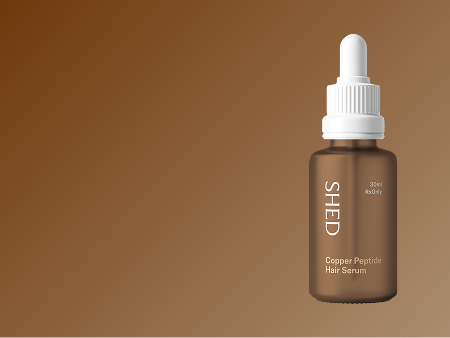
Shed provides a variety of treatments for hair support, for both men and women, including a Copper Peptide Hair Growth Serum, designed to support scalp health. See if you qualify for treatment today.
This content is for informational purposes only and is not medical advice. Consult a licensed healthcare provider before starting or changing any medication.
Compounded medications are not FDA-approved for safety, effectiveness, or quality. They are prepared by a licensed pharmacy based on a provider's prescription. Results may vary.