
.svg)


Sleepless nights, baby snuggles, and juggling new routines and responsibilities are all things parents expect after having a baby. Other things, like postpartum hair loss, take many mothers by surprise.
While losing your hair can feel like a cruel injustice on top of all the other sacrifices new motherhood demands, it’s only temporary—and very common.
Normal hair-growth cycle: An overview
Before we get into what causes postpartum hair loss, it helps to understand how the hair cycle works. Your hair is continuously growing and shedding, cycling through four growth phases throughout your lifetime:
- Anagen phase: Active hair growth (2–7 years). At any given time, 80–90% of your hair is in this phase.
- Catagen phase: Hair follicles shrink and growth stops (2–3 weeks). Only about 1–2% of hair is in this stage at a time.
- Telogen phase: Resting phase (3 months). Follicles rest while new hair begins forming underneath. Around 10–15% of your hair is in this phase at a time.
- Exogen phase: Old hair is released and falls out; the anagen phase restarts.
It is normal to lose 50–100 hairs per day, but if you’ve recently had a baby, hair shedding is much more noticeable.
What causes postpartum hair loss?
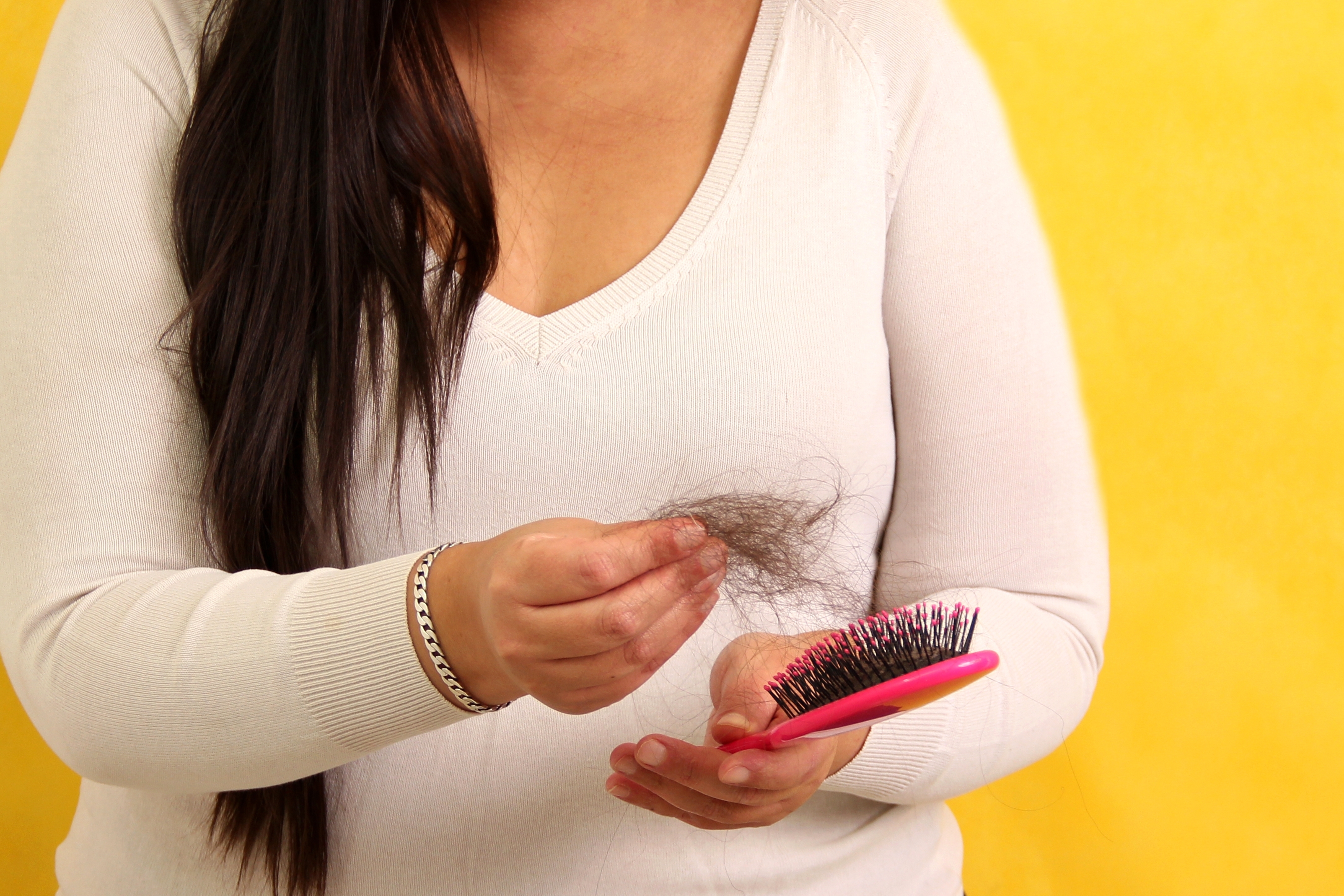
Postpartum hair loss occurs due to hormonal changes after pregnancy. After delivery, hormone levels, especially estrogen, drop quickly. This causes many of the hairs that were in the anagen (growth) phase to suddenly move into telogen (resting), leading to noticeable shedding starting 2–4 months postpartum.
Postpartum hair loss usually lasts less than 6 months, peaking around month 4. By the time your child reaches their first birthday, hormone levels should be stabilized, with new hair re-entering the growth phase.
Symptoms of postpartum hair shedding
Common experiences include:
- Hair coming out in larger clumps in the shower, on brushes, on pillows and clothes—if it seems like it’s everywhere, you’re not wrong
- Noticeable thinning along the hairline and temples
- Overall shedding across the scalp (rather than patchy bald spots)
- Short “baby hairs” as regrowth begins
It may feel like you’re losing an alarming amount of hair really quickly. Remember: this is normal, and it won’t last forever. Your hair-growth cycle will start to normalize after six months or so.
How to support hair growth after pregnancy
Supporting postpartum hair growth is mostly about helping the hair cycle reset, protecting fragile strands, and addressing any health factors that may slow regrowth. You won’t be able to stop hair from falling out, but you can reduce breakage and stress on new growth.
1. Be gentle with your hair
Hair care often takes a backseat for new moms, but this can actually be a good thing, especially for those who use a lot of styling tools and products.
- Minimize heat styling and harsh chemical treatments
- Avoid tight ponytails and braids

- Use a wide-tooth comb or soft brush and avoid excessive brushing
- Use gentle shampoo and conditioner
2. Nourish with nutrition
Healthy-looking hair starts with the basics: good nutrition. Prioritize protein, iron, zinc, and B vitamins (especially biotin) to support your hair’s regrowth. Many providers recommend continuing to take prenatal vitamins for several months postpartum, especially if you’re breastfeeding. Talk to your provider before starting or stopping supplementation.
3. Manage stress + rest as much as possible
Easier said than done when a newborn is depending on you, but do what you can to get the sleep you need. Short walks and activities you enjoy can also help relieve the stress of motherhood. And never underestimate the power of asking for (or accepting) help. It takes a village to raise a kid—and that includes supporting new mothers during their recovery.
4. Take care of your scalp
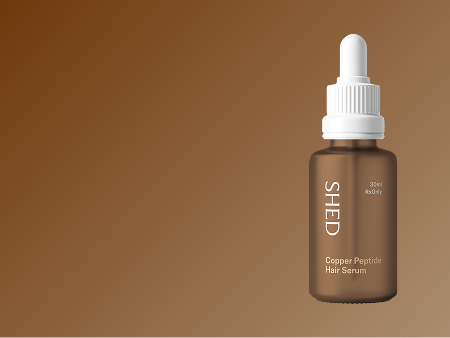
A healthy scalp environment supports regrowth. Simply keeping it clean reduces buildup, and the occasional gentle scalp massage can increase local blood flow. Treatment like Shed’s 3-1 Hair Capsule or GHK-Cu Scalp Peptide Solution can also support scalp health.
5. Consider a new hairstyle
Everything else in your life has changed—why not try a new hairstyle? Shorter cuts, layers, or face-trimming styles can help reduce the “stringy” look that can happen after losing a lot of hair in a short amount of time. If you need something more low-maintenance, try soft headbands to camouflage thinning around your temples.
When to talk to a provider about postpartum hair loss
For most women, postpartum hair shedding stops on its own after 6–12 months. If shedding lasts longer than a year, hair loss is patchy, or you have concerns about other issues that may be affecting your hair, schedule an appointment with your doctor.
Visit tryshed.com today to see if you qualify for Shed’s high-quality hair treatments specifically for women.
FAQs
Why am I losing hair after pregnancy?
During pregnancy, high estrogen levels keep hair in the anagen (growth) phase, so you shed less. After delivery, estrogen drops, and many hairs move into the telogen (resting) and exogen (shedding) phase at the same time, leading to higher than normal shedding. This phase typically lasts less than six months.
How common is postpartum hair loss?
Very common. It is caused by hormonal shifts that happen after delivery. While the amount of hair loss can feel alarming, it’s usually temporary.
When does postpartum hair loss start?
Most women notice postpartum hair shedding around 2–4 months after giving birth. It often peaks around 3–5 months postpartum, which is why it can feel sudden even though it’s part of a normal hair cycle reset.
Can I prevent postpartum hair loss?
You can’t prevent postpartum shedding because it’s driven by hormones, but you can support healthy regrowth. Be gentle with brushing and styling, avoid tight hairstyles and harsh treatments, maintain scalp health, and eat lots of protein and nutrient-rich foods.
How long does postpartum hair loss last?
For most women, postpartum hair loss lasts about six months. Shedding gradually slows as hormones stabilize and hair returns to its normal growth pattern. If you’re still losing hair after a year, it’s worth checking in with a healthcare provider.
Does postpartum hair loss affect everyone the same way?
No. The amount and duration of postpartum hair shedding can vary based on genetics, hormone changes, nutrition, stress, and health conditions like thyroid or iron deficiency.
Will my hair grow back after postpartum hair loss?
In most cases, yes. Hair regrows fully as your hormone levels stabilize. New growth may appear as short, fine hairs along the hairline and throughout the scalp.
This information is for educational purposes only and is not a substitute for medical advice. Please consult your healthcare provider before starting or changing any medication.