



.svg)


Hair loss affects most men at some point. For an experience so common, there’s a lot of uncertainty surrounding it. What causes it? Can anything be done about it? What men’s hair regrowth treatments actually help? We answer these questions and more in this article.
How hair growth works
To understand what causes hair loss, we first need to understand how hair grows.
Hair grows in cycles, hitting four main phases:
- Anagen (growth): Hair is actively growing. This is the longest phase by far, lasting 2 to 7 years.
- Catagen (transition): Growth stops and the follicle shrinks. This phase lasts just a couple weeks.
- Telogen (resting): Hair remains in the follicle but doesn’t grow. The resting period lasts about 3 months.
- Exogen (shedding): Old hair falls out and the anagen phase starts again.
Hair follicles cycle independently, meaning each hair goes through each phase on its own. So all of the phases will be happening at once, ensuring hair density over time.
For most men, the growth phase becomes shorter over time. Hair strands grow back thinner, weaker, and eventually may stop growing altogether. Most men’s hair regrowth treatments focus on extending the growth phase and protecting follicles from further damage.
Why men experience hair thinning and shedding
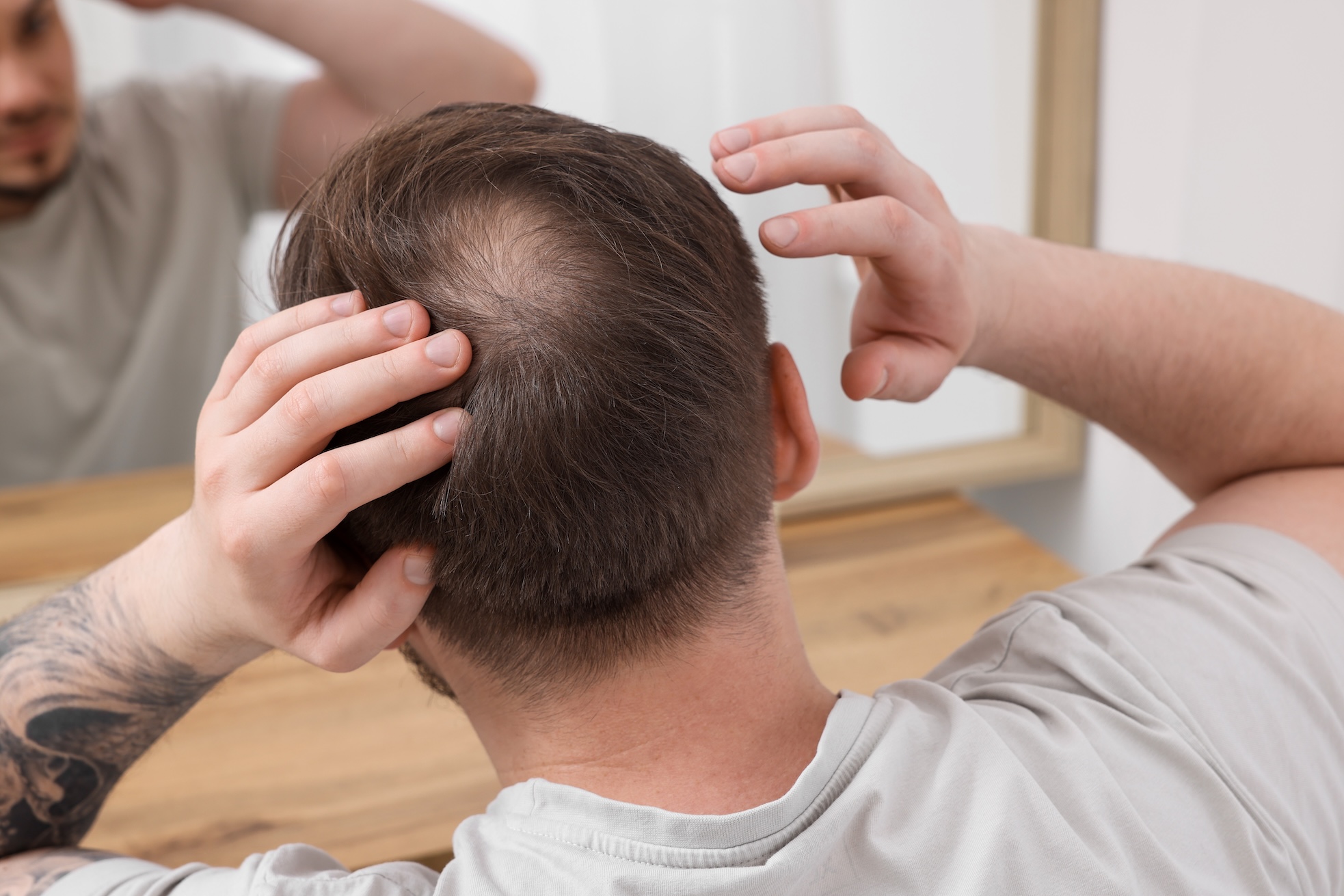
The most common cause of hair loss in men is androgenetic alopecia, also known as male-pattern hair loss. It’s driven by genetics and sensitivity to DHT (dihydrotestosterone), a hormone that causes hair follicles to shrink.
Other contributing factors include:
- Aging and hormonal shifts
- Stress and poor sleep
- Nutritional deficiencies
- Certain medications or medical conditions
The best hair-loss solutions for men target these root causes—especially DHT—rather than relying on cosmetic fixes.
Proven solutions to treat hair loss
Men’s hair-loss treatment isn’t a new field—science has had decades to learn what works, what doesn’t, and what should be avoided altogether.
Most treatment options incorporate minoxidil, finasteride, or a combination of the two.
Minoxidil: A topical treatment that increases blood flow to hair follicles and helps prolong the growth phase. It is one of the most well-studied hair-regrowth treatments for men.
Finasteride: Addresses the hormonal cause of hair loss by reducing DHT levels. By protecting follicles from DHT-related shrinkage, finasteride helps slow hair loss and support growth over time.
Combination therapy: Clinical studies show that combining treatments may produce better outcomes than using one treatment alone. Many of the best hair-loss solutions for men are built around this combined approach.
What to expect from hair regrowth treatment
Hair regrowth takes time. Most men begin to notice changes between 3–6 months, with more visible improvements after consistent use over 9–12 months. Long-term consistency is vital; skipping or stopping treatment can halt progress and cause hair loss to gradually pick up again.

Shed’s men’s hair regrowth treatment options
Shed offers personalized, provider-guided hair regrowth treatment options for men designed to support scalp health and engage hair follicle pathways to slow further loss. Our approach promotes healthier-looking hair over time through topical and oral options.
Topical hair regrowth solutions
- Men’s 2-in-1 Hair Solution: Combines minoxidil and finasteride, which may stimulate regrowth and slow further thinning.*
- Men’s 5-in-1 Hair Solution: A multi-ingredient topical formula that may support a healthier scalp environment and the look of fuller, more resilient hair over time.*
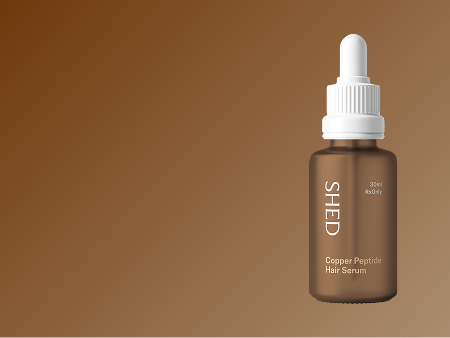
- GHK-Cu Scalp Peptide Solution: Copper-based treatment formulated to support better scalp health, which may make a better environment for hair growth.*
Oral hair support
- Men’s 3-in-1 Hair Tablet: A once-daily oral option that supports all phases of the hair growth cycle.* Ideal for men who prefer internal treatment or a combined topical-oral approach.**
All Shed men’s hair regrowth treatments are prescribed and monitored by licensed providers. Visit tryshed.com to learn more.
Why provider-guided care is important for hair regrowth
Provider-guided care is important for a couple of reasons, the first being getting a proper diagnosis so you can treat the right problem. We can’t always tell from our own observations what is causing hair loss—and without knowing the cause, you can’t treat it properly.
Once you know what type of hair loss you have, your provider can then guide you to the right kind of treatment. They will recommend appropriate dosing, monitor your progress, help you manage side effects, and make adjustments as needed.
At Shed, we understand the power of personalized, provider-led care to help you get the most from any treatment, whether it be weight loss or hair care. Medical oversight helps ensure both safety and effectiveness.
Supporting long-term hair health
Men’s hair regrowth treatments work best when paired with healthy, supportive habits. These include:
- Adequate protein
- Balanced, nutritious diet
- Quality sleep
- Stress management
- Gentle scalp care
While lifestyle changes alone won’t reverse genetic hair loss, they can help create an environment where regrowth treatments can work more effectively.
What you can do about hair loss
Many men see hair loss as an unfortunate inevitability of life, but there are steps you can take to hold on to the hair you want. With provider-led, science-backed treatment, fuller, healthier-looking hair is still a possibility.
Shed’s provider-guided solutions offer a realistic path forward—no questionable quick fixes, just science that supports sustainable, long-term results. Take a look at our men’s hair options today to see which solution is right for you.
FAQs about men’s hair regrowth treatments
How long do men’s hair regrowth treatments take to work?
Most men begin to see early changes—such as reduced shedding or thicker hair texture—within 3 to 6 months of consistent use. More visible regrowth often appears closer to 9 to 12 months. Because hair grows in cycles, patience and daily consistency are essential with all men’s hair regrowth treatments.
Do hair-loss treatments for men work permanently?
Hair-loss treatments don’t cure genetic hair loss, but they can help maintain and improve hair density—as long as they’re used consistently. Stopping treatment usually leads to the gradual return of hair loss. The best hair-loss solutions for men are designed for long-term use and ongoing follicle support.
Are topical or oral hair regrowth treatments better for men?
Neither is universally better; the right treatment varies from person to person. Topical treatments work directly at the scalp, while oral treatments address internal hormonal factors. Many men use both types of treatment, while others get the benefits they need from just one.
Can men regrow hair after years of thinning?
Regrowth is possible, especially if hair follicles are still active. Earlier intervention generally leads to better outcomes, but even men with long-term thinning may see improvements in density, thickness, or slowed hair loss when using evidence-based treatments.
When should men start hair regrowth treatment?
The best time to start is as soon as thinning or shedding becomes noticeable. Early treatment helps preserve existing hair and increases the effectiveness or regrowth strategies.
*Individual results may vary.
**Administration methods offered vary depending on the state you reside in.
Compounded medications are not reviewed or approved by the FDA for safety or efficacy. They are prepared by a licensed compounding pharmacy based on a healthcare provider’s prescription to meet the specific needs of an individual patient.