


.svg)


Getting back to pre-baby weight is one of many things postpartum women have on their minds. And with GLP-1 medications helping people all over the country lose weight, this naturally begs the question: can you take a GLP-1 like semaglutide or tirzepatide while you’re breastfeeding?
We dig into this and more in this article.
What is a GLP-1?
GLP-1 is a naturally occurring hormone that regulates appetite and blood sugar. GLP-1 medications like Ozempic®, Wegovy®, and Zepbound® are synthetic versions of this hormone, designed to help reduce hunger and slow digestion. These drugs were originally used to treat type 2 diabetes, but have become popular weight-loss tools over the past few years.
Why postpartum women are interested in GLP-1s
Pregnancy changes your body in profound ways, and the postpartum period is often when the full impact sets in. Up to 20% of women retain 9 pounds or more one year after giving birth—and for many, that number doesn’t budge. Sleep deprivation, hormonal shifts, and the demands of a newborn make an already challenging endeavor (losing weight) nearly impossible for some.
So it makes sense that newly postpartum women are asking about GLP-1s.
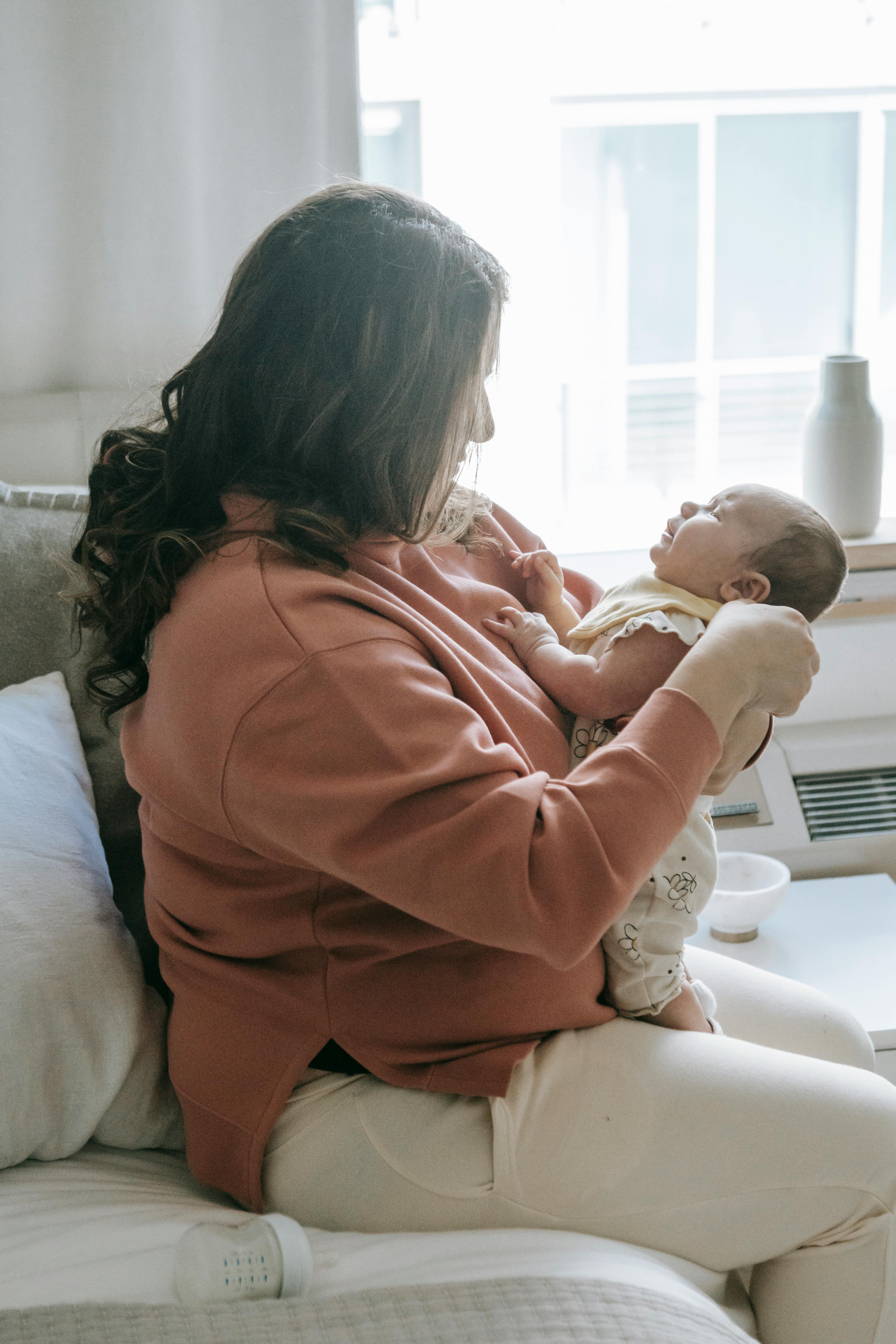
Can you take Ozempic® or another GLP-1 while breastfeeding?
The short answer: no. Right now, GLP-1 medications are not FDA-approved for use during the postpartum or breastfeeding period. Current clinical guidelines recommend avoiding GLP-1 medications while breastfeeding and waiting until lactation has completely ended before starting or resuming treatment.
There’s not a lot of research about taking a GLP-1 while breastfeeding, but some small studies have shed some light on safety concerns to help providers make more informed decisions (more on that below).
If you have questions about taking a GLP-1 while breastfeeding, especially if you’re being treated for type 2 diabetes, consult with a licensed medical provider. They will evaluate the risks and benefits of continuing or starting GLP-1 treatment postpartum.
Will GLP-1 medication get into my breast milk?
In 2024, researchers at the Infant Risk Center published the first dedicated human study examining whether injectable semaglutide passes into breast mlik. They analyzed milk samples from eight breastfeeding women taken at 0, 12, and 24 hours after semaglutide injection.
Their finding: semaglutide was not detectable in breast milk, and none of the breastfed infants experienced any adverse effects. To put that in perspective, medical experts generally consider a medication safe for breastfeeding if the baby receives less than 10% of the mother’s dose through milk.
However, with such a small sample size, this study is not enough for postpartum GLP-1 use to be considered safe. More research is needed to study potential short- and long-term risks across a broader population, which is why GLP-1s are generally not recommended for breastfeeding women.
What about oral semaglutide?
No studies have been conducted on oral semaglutide alternatives like Rybelsus or the Wegovy® pill, but because pill versions contain an absorption enhancer to help the drug get through the stomach lining, semaglutide may be more likely to pass through to breast milk. As of now, oral forms of GLP-1s should not be assumed safe during breastfeeding.
What are the other risks of GLP-1s while breastfeeding?
Even if GLP-1 medication doesn’t show up in breast milk, that doesn’t mean it’s risk free. There are several other important factors to consider.
Milk supply
This may actually be the biggest issue. GLP-1 medications work by suppressing appetite, sometimes dramatically. If you’re breastfeeding, this is not the time to eat less; in fact, you should be eating more. Your body needs 450–500 extra calories per day to support milk production. If you’re not eating enough, milk supply can drop, putting your baby at risk.
Infant appetite and development
GLP-1 is a natural hormone found in breast milk. Since semaglutide and tirzepatide are structurally similar to this natural hormone, this raises a theoretical concern: could GLP-1 drugs pass into the milk and affect how hungry or full a baby feels? No one has proven this happens, but it’s one reason experts want to see more data before calling these medications safe to use while nursing.
The long-term unknown
A lot of what we know about breastfeeding and GLP-1s is theory and conjecture. For example, GLP-1 medications are large protein molecules, and most experts believe they’re unlikely to transfer into breast milk in significant concentrations. Even if they did, the baby’s stomach acid would likely break them down before absorption.
However, we don’t have enough human data to know what the risks are, and if the benefits of GLP-1s outweigh the risks for nursing mothers. For this reason, most providers recommend erring on the side of caution.

What you can do (instead of a GLP-1) when breastfeeding
Not being able to take a GLP-1 postpartum doesn’t mean you have no options for weight management or metabolic health support. Here are some evidence-based strategies to support your health during the breastfeeding period:
- Medication alternatives: If you have an underlying condition like type 2 diabetes or insulin resistance, talk to your provider about medication alternatives that are safe to use postpartum.
- Nutrition support: Protein, iron, and key micronutrients support both your recovery and your milk supply. Prioritizing the three main macronutrients—protein, complex carbs, and healthy fats—can help you get the balanced nutrition you need to support both your weight-management efforts and your nutritional needs.
- Lifestyle habits: Sleep, stress management, and mental health support are a critical part of postpartum recovery and continued milk supply. Even modest improvements in one area can support your metabolic health and create a stronger foundation for whatever comes next, including starting a GLP-1.
The postpartum period can feel like it is defined by restrictions—and, let’s be honest, in many ways it is. But it can be helpful to reframe this narrative a bit: the healthy habits you’re working on now are likely very similar to the healthy habits other people are trying to develop. Focusing on what you can control now will serve you in the long run, too.
How soon after breastfeeding can I start a GLP-1?
The timeline for starting a GLP-1 after weaning depends on a few factors, including how recently you delivered, how your recovery is going, whether your postpartum hormones have stabilized, and whether you meet the clinical criteria for a GLP-1 prescription.
The best time to start a GLP-1 postpartum will vary from person to person, but in general, it will be after milk production has stopped completely and your provider has determined that your nutrition and hydration are stable.
Consult with your provider to determine the best timeline for you, especially if you have used a GLP-1 for diabetes treatment.
Frequently asked questions
Is it ever okay to take a GLP-1 while breastfeeding?
The official answer is no, regardless of brand (Ozempic®, Wegovy®), administration type (injections, pills), or active ingredient (semaglutide, tirzepatide). However, certain situations may merit GLP-1 use during breastfeeding. Always discuss your specific situation with your provider.
Are compounded GLP-1s safer when breastfeeding?
No. Switching to a compounded version or microdosing doesn’t change the core safety concerns for breastfeeding women. These versions still have the same active ingredients and appetite-reducing effects and should not be used as a workaround to general guidelines.
Will taking a GLP-1 hurt my milk supply?
Potentially. GLP-1s are designed to suppress appetite, but nursing mothers should be consuming more calories, not less, to support milk production. Calorie restriction is one of the most well-documented causes of reduced milk production, which is one reason GLP-1s are not recommended for nursing mothers.
What if I have type 2 diabetes and need a GLP-1 to help manage it?
In some cases, you may be better off continuing GLP-1 treatment. Discuss your medical history with a provider before starting or ending treatment. They will help you find the right treatment plan that is best for your health and your baby’s.
The honest answer about GLP-1s and breastfeeding
GLP-1 medications have helped millions safely lose weight, but, as postpartum women are well aware, the rules are different if you’re pregnant or just had a baby, and are not recommended for women in these groups.
If you have questions about weight management postpartum, reach out to your provider.
This information is for educational purposes only and is not a substitute for medical advice. Please consult your healthcare provider before starting or changing any medication.
Compounded medications are prepared by licensed pharmacies to meet individual patient needs. While they are not reviewed or approved by the FDA for safety or effectiveness, they are made in accordance with strict regulatory guidelines. Prescription is only available after consultation with a licensed provider to determine if treatment is appropriate.