
.svg)


GLP-1 medications can be incredibly effective for weight management and metabolic health. Along the way, though, many people notice changes in appetite, digestion, energy levels, and even things like hair or skin.
The good news is that small additions to your routine—like targeted vitamins, hydration, and protein support—can make a big difference in how you feel day to day.
Below is a practical guide to supplements that can help support your body while you’re on a GLP-1.
Why supplements matter on GLP-1 medications
GLP-1s work by reducing appetite and slowing digestion. While this is helpful for weight loss, it can sometimes lead to:
- Lower overall nutrient intake
- Fatigue or low energy
- Constipation or bloating
- Changes in hair, skin, or hydration
Adding the right supplements can help fill in nutritional gaps and may improve overall tolerance of GLP-1 medication.
Foundational supplements to consider taking with a GLP-1
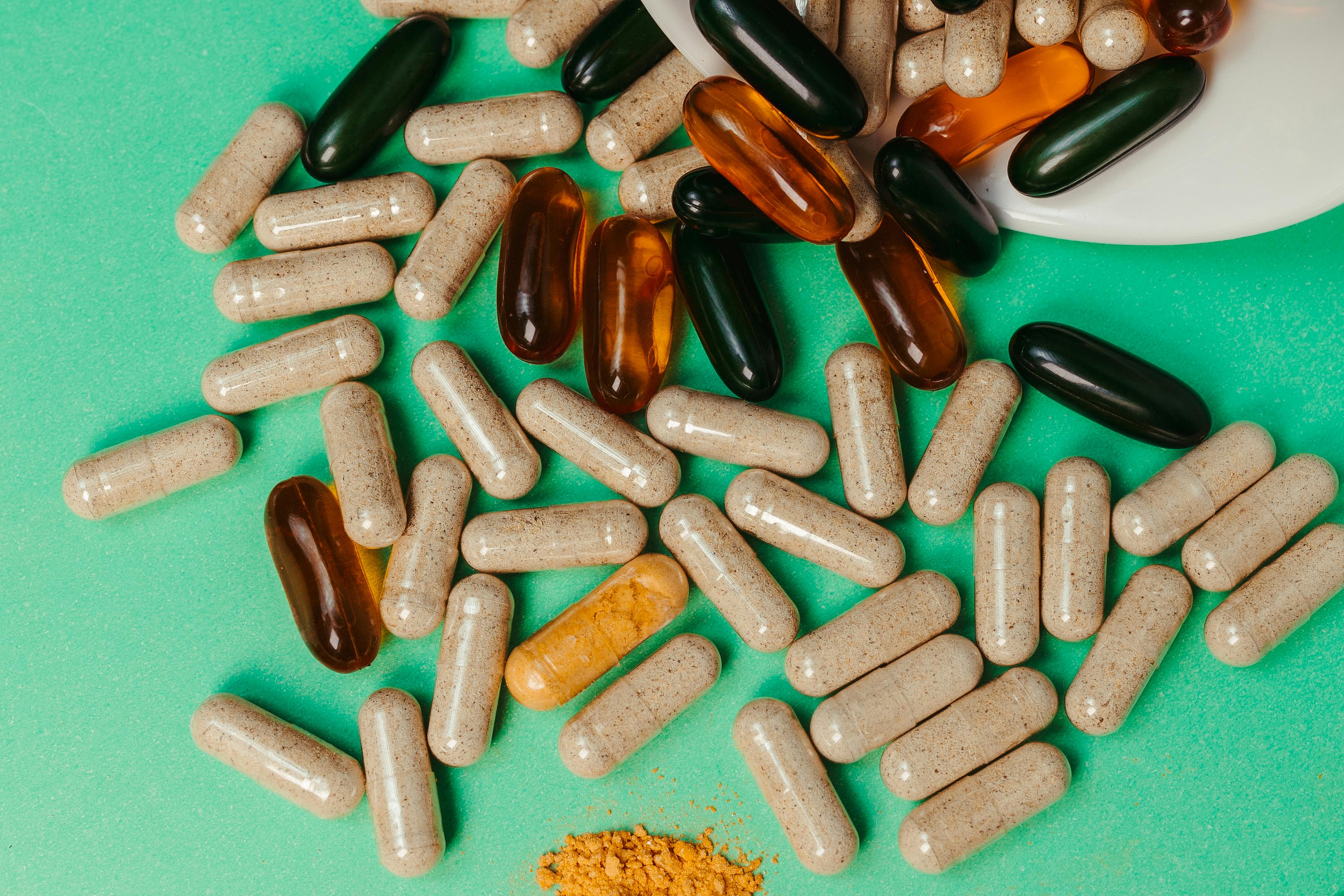
Many patients find benefit from starting with a few core supplements:
Daily multivitamin
Helps cover general nutrition gaps when food intake is reduced.
Vitamin B12
Supports energy levels, brain function, and nerve health, which is especially helpful if you’re feeling fatigued.
Magnesium (citrate or glycinate)
A great option if you’re dealing with constipation, which can be common on GLP-1s.
Probiotics
Can support gut health and may help reduce bloating and irregular digestion.
Biotin, collagen, or zinc
Helpful if you notice hair shedding or changes in skin/hair quality during weight loss.
Electrolytes
Important for hydration and energy, especially if you’re experiencing nausea, fatigue, or diarrhea.
Some commonly used electrolyte options include:
- Re-Lyte
- Ultima Replenisher
- Thorne Daily Electrolytes
- Wild Society Premium Zero
- Promix Hydration
Don’t forget protein
One of the most important (and commonly missed) pieces on a GLP-1 is adequate protein intake.
Protein helps:
- Preserve muscle mass
- Support metabolism
- Improve satiety
- Maintain energy levels
Because appetite is lower, many patients struggle to hit their protein goals through food alone. In these cases, a protein supplement (like shakes or clear protein drinks) can be a simple and effective way to stay on track.

Shed supplement options
For those looking for targeted, GLP-1–friendly support, Shed offers supplements designed specifically with these needs in mind:
Advanced Fiber+
A gentle daily fiber + probiotic blend that:
- Supports regular bowel movements
- Reduces bloating
- Helps stabilize appetite
Clear Protein Hydration
A light, easy-to-digest protein + electrolyte drink that:
- Supports hydration
- Helps maintain energy
- Provides protein without feeling too heavy
Especially helpful for patients who feel full quickly or struggle with GI side effects.
GLP-1 Revive
A comprehensive daily supplement designed to support:
- Metabolism
- Digestion
- Energy levels
It includes a blend of vitamins, minerals, enzymes, herbs, and adaptogenic mushrooms and may help reduce:
- Nausea
- Fatigue
- Constipation
- Headaches
Triple Beauty Blend
A combination of collagen, colostrum, and Ceramosides® that supports:
- Skin elasticity and hydration
- Hair strength and growth
- Joint comfort
- Gut and immune health
This can be especially beneficial during weight loss, as part of a healthy lifestyle, when patients notice changes in skin or hair.
A simple approach to start
You don’t need to take everything at once. A simple starting point could be:
- Multivitamin
- Electrolytes
- Magnesium (if needed)
- Protein support
From there, you can add based on your specific symptoms or goals.
Final thoughts
GLP-1 medications are a powerful tool, but how you support your body alongside them can make a big difference in your overall experience.
These supplements can help improve:
- Energy
- Digestion
- Hydration
- Overall comfort on treatment
That said, these are general recommendations. If you have specific medical conditions or concerns, it’s always best to review any new supplements with your provider before starting.
If you’re unsure where to start or want a more personalized plan, working with a health coach or provider can help tailor these recommendations to your specific needs.
Frequently asked questions
Do I need to take supplements while on a GLP-1 medication?
You’re not required to, but many people benefit from them. Because GLP-1s reduce appetite, it’s easy to fall short on key nutrients like protein, vitamin B12, magnesium, and electrolytes. Supplements can help fill those gaps and may reduce common side effects like fatigue, constipation, and low energy.
What is the most important supplement to take on a GLP-1?
Protein is the most critical. Rapid weight loss can cause muscle loss; adequate protein helps preserve muscle mass. It also supports metabolism and energy levels during weight loss. Reduced appetite makes it hard to hit daily protein targets through food alone, so some may find it helpful to fill in the gaps with a protein shake or supplement.
How much protein do I need per day on a GLP-1?
General guidance for people on GLP-1 medications is to aim for at least 1.2–1.6 grams of protein per kilogram of body weight per day, though individual needs vary.
When should I talk to my provider about supplements?
Always loop in your provider before starting new supplements if you have underlying health conditions, take prescription medications (including GLP-1s), or are pregnant or breastfeeding. This guide offers general recommendations, but a personalized plan from your care team is the safest approach.
References:
Kerlikowsky et al. (2025). Current Developments in Nutrition. https://research.rug.nl/en/publications/glp-1-receptor-agonists-good-for-body-weight-bad-for-micronutrien/
Urbina et al. (2026). Clinical Obesity. https://pubmed.ncbi.nlm.nih.gov/41549912/
Johnson et al. (2025). Frontiers in Nutrition. https://pubmed.ncbi.nlm.nih.gov/40352260/
Butsch et al. (2024). Diabetes, Obesity & Metabolism. https://pubmed.ncbi.nlm.nih.gov/40584822/
Haines (2025). Endocrine Society ENDO Annual Meeting Press Release. https://www.endocrine.org/news-and-advocacy/news-room/endo-annual-meeting/endo-2025-press-releases/haines-press-release
Reilly et al. (2024). Journal of Skin Research. https://pubmed.ncbi.nlm.nih.gov/39021368/
Kim et al. (2018). Nutrients. https://pubmed.ncbi.nlm.nih.gov/29949889/
Alopecia & Semaglutide PMC Review (2025). Journal of Cosmetic Dermatology. https://pmc.ncbi.nlm.nih.gov/articles/PMC11909624/
Clinical Consensus on GI Adverse Events, GLP-1 RAs (2023). https://pmc.ncbi.nlm.nih.gov/articles/PMC9821052/
Fella Health Electrolyte Guide (2025). fellahealth.com
This content is for informational purposes only and is not medical advice. Consult a licensed healthcare provider before starting or changing any medication or supplement.
These statements have not been evaluated by the FDA. These products are not intended to diagnose, treat, cure, or prevent any disease.