Slide 1
Slide 2
Slide 3
Slide 4
*In clinical trials studying Wegovy® (2.4 mg), the average weight loss was 15% and 20%, respectively, when paired with diet and exercise (compared to 2.4% and 3.1% with diet and exercise alone). Results may vary. Compounded medications are not FDA-approved and are made by a licensed pharmacy based on a provider’s prescription.

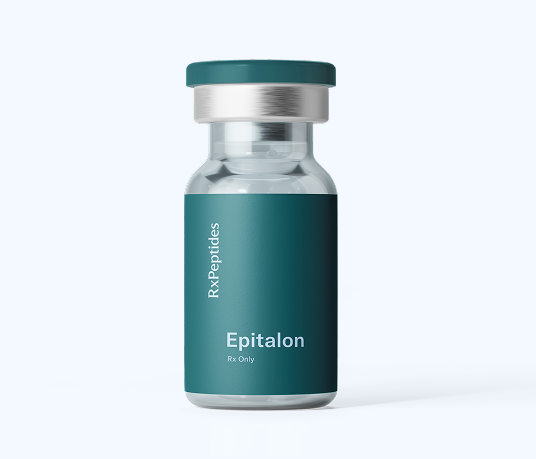
Epitalon Protocol

Supports telomerase activity, circadian rhythm biology, and cellular longevity signals — under physician supervision.
Starting at $XXX/month
Studied for telomerase activation and telomere length support
Researched for circadian rhythm normalization
Associated with longevity markers in animal models
Epitalon is a synthetic tetrapeptide analog of Epithalamin — a natural pineal gland extract. Decades of research by Russian longevity scientists has associated it with telomerase activation, melatonin restoration, and significant lifespan effects in multiple animal species. It is the most philosophically compelling peptide on Shed's list.
*In clinical trials studying Wegovy® (2.4 mg), the average weight loss was 15% and 20%, respectively, when paired with diet and exercise (compared to 2.4% and 3.1% with diet and exercise alone). Results may vary. Compounded medications are not FDA-approved and are made by a licensed pharmacy based on a provider’s prescription.
FAQ

Is Epitalon FDA approved?

No. Epitalon is not FDA-approved and is subject to compounding restrictions. Shed is honest: this is our most speculative protocol.
FAQ

Do I need labs first?

FAQ

How long is a protocol?
FAQ

How is it delivered?

  Provider Supervised  •  FDA-Registered Pharmacy  •  Personalized Protocols  •  Evidence-Reviewed  •
 Provider Supervised  •  FDA-Registered Pharmacy  •  Personalized Protocols  •  Evidence-Reviewed  •
  Provider Supervised  •  FDA-Registered Pharmacy  •  Personalized Protocols  •  Evidence-Reviewed  •
What is Epitalon?
Epitalon (Ala-Glu-Asp-Gly) is a synthetic tetrapeptide — just four amino acids — developed as a synthetic analog of Epithalamin, a polypeptide extract from the pineal gland. Developed and studied by Vladimir Khavinson and colleagues at the St. Petersburg Institute of Bioregulation and Gerontology beginning in the 1980s.

The pineal gland produces melatonin and plays a central role in circadian rhythm regulation — and its signaling output declines with age. Khavinson's hypothesis, supported by a body of published research, is that Epitalon may partially restore diminished pineal signaling, with downstream effects on circadian rhythm, antioxidant status, immune function, and — most compellingly — telomere maintenance through telomerase activation.

Shed presents Epitalon honestly: the evidence is real but concentrated in a single research tradition, and independent Western replication is limited. It is our most speculative protocol — and among our most scientifically interesting.

Benefit deep dive

Heading

Daily support to help maintain cellular energy.

Telomerase Activation

Published in vitro research documented that Epitalon increased telomerase activity and telomere length in human fetal fibroblasts — one of the most direct anti-aging mechanisms demonstrated for any peptide, though large-scale human replication is needed.

Melatonin & Circadian Restoration

Gene Expression Normalization

Longevity Signals in Animal Models

Individual experiences vary. These statements describe general physiological roles of NAD+.

How GHK-Cu Works

Epitalon is proposed to stimulate the pineal gland's own production of melatonin and other signaling molecules, acting upstream on the source rather than replacing hormones exogenously.
1.
Actin Modulation

Research suggests Epitalon activates telomerase, the enzyme that extends telomeres, potentially slowing the telomere shortening that accompanies cell division and biological aging.

2.
PI3K/Akt Pathway

Epitalon's documented effects on thousands of genes in elderly subjects suggest epigenetic mechanisms, changes in gene expression patterns associated with biological age, as a key part of its activity profile.

3.
Progenitor Cell Activation

In cardiac models, Tβ4 reactivated dormant epicardial progenitor cells — suggesting a broader role in mobilizing the body's own regenerative cell populations.

Your TB-500 plan, made simple

3-minute medical intake. Provider-led. 100% online.
Step 1
Complete your online consultation

You fill out a brief medical intake about your goals, symptoms, and health history. This helps your provider determine if TB-500 is appropriate for you.

Step 2
Provider review & personalized plan

A licensed clinician reviews your case and creates a tailored TB-500 plan based on your needs.

Step 3
Medication compounded & shipped to you

If approved, your TB-500 medication is prepared by a U.S.-based compounding pharmacy and delivered directly to your door.

Step 4
Ongoing support inside your Shed portal

Ask questions, request adjustments, and get support anytime from your care team.

Shed FAQs

Questions? Answers.

Joining

Is TB-500 FDA approved?

No. TB-500 is not FDA-approved and is restricted from compounding. Shed will offer it when regulations allow.
Joining

Do I need a prescription?

Joining

How long is a protocol?

Joining

How is it delivered?