


.svg)


Healthy change can feel personal, but it doesn't have to feel lonely. Whether you're working on weight loss, nutrition, movement, sleep, stress, or long-term wellness, the hardest part often isn't knowing what to do. It's staying consistent when real life gets busy.
That is where group health coaching can help.
Group health coaching provides members with a supportive space to learn, reflect, ask questions, celebrate progress, and hear from others working toward similar goals. The goal isn't to aim for perfection, but rather to build small, repeatable habits with encouragement, accountability, and real-world support.
At Shed, we believe health should help you become more of the real you. More years. More life. More you. Group coaching fits that philosophy because progress is not only measured by the scale. Progress can also look like drinking more water, eating enough protein, taking a short walk, sleeping better, asking for help, or simply not giving up.
What is group health coaching?
Group health coaching is a coach-led support session where members come together around a shared health goal. Sessions may include education, guided reflection, discussion, goal setting, problem-solving, and celebration of wins.
Unlike a lecture, group coaching is interactive. The coach helps guide the conversation, but members also learn from one another. One person may ask a question about protein, another may share a strategy for staying hydrated, and someone else may talk about how they handled a tough week. That shared experience can make the journey feel more doable.
Group coaching can happen in person, online, or by phone. The CDC’s National Diabetes Prevention Program lifestyle change model includes a trained lifestyle coach who helps participants learn new skills, set goals, stay motivated, and take part in group discussions (CDC).
For Shed members, group health coaching is not meant to replace individualized care, provider guidance, or one-on-one coaching. Instead, it adds another layer of support. It gives members a place to connect, reset, and build momentum between individual touchpoints.
How group health coaching works
A strong group health coaching session is simple, supportive, and action-oriented. Members should leave knowing at least one small next step they can try.
A typical session may include:
- A quick welcome and check-in
- A short discussion topic, such as protein, hydration, movement, sleep, mindset, or navigating a plateau
- Member questions or shared experiences
- Celebration of wins, including small non-scale victories
- A realistic action step for the week
The coach’s role is to keep the space encouraging, practical, and focused. A coach may ask reflective questions, normalize common challenges, help members identify patterns, and guide the group back to realistic next steps.
For example, instead of saying, “You need to exercise more,” a coach might ask, “What kind of movement feels realistic this week?” That shift matters. Coaching is not about shame or pressure. It's about helping members find what can actually work in their lives.

Why group support can make change feel easier
Most people don't struggle with healthy habits because they lack willpower. They struggle because habits live inside real life. Schedules change. Stress happens. Appetite changes. Side effects can show up. Motivation comes and goes.
Group health coaching helps by creating a rhythm of support. Members are reminded that they are not the only ones figuring things out. Hearing someone else say, “I had a hard week too,” can reduce the feeling of failure and open the door to problem-solving.
That support can also increase confidence. In behavior-change science, confidence in your ability to take action is often called self-efficacy. When members see others take small steps, they may begin to believe, “Maybe I can do that too.”
Group support also helps normalize the idea that progress is built through small, repeated behaviors. One group session will not change everything overnight. But a weekly moment of reflection can help members pause, notice what is working, and choose one next step.
The science behind group health coaching
Group health coaching is supported by several behavior change principles, including social support, self-monitoring, goal setting, problem-solving, and accountability.
Research on health and wellness coaching suggests that coaching can support behavior change and patient-centered outcomes when it helps people clarify goals, build confidence, and take manageable action. A 2023 systematic review and meta-analysis published in Patient Education and Counseling found that health and wellness coaching was associated with improvements in quality of life, self-efficacy, and depression across chronic illness populations, while also noting the need for more standardization and long-term follow-up (Boehmer et al., 2023).
A review of health coaching interventions for type 2 diabetes found that coaching often includes behavior change techniques such as goal setting and problem-solving. The review found a small but statistically significant effect on HbA1c reduction across included randomized controlled trials, while also emphasizing the need for clearer reporting of coaching methods (Almulhim et al., 2023).
That matters because coaching works best when it helps members turn broad goals into specific behaviors. “Eat healthier” becomes “Add protein to breakfast three days this week.” “Move more” becomes “walk for 10 minutes after lunch on Monday, Wednesday, and Friday.” “Get back on track” becomes “Log one weight entry, book coaching, and drink water before coffee tomorrow.”
Group coaching can also reinforce self-monitoring. A systematic review on weight-loss self-monitoring found that tracking behaviors, such as diet, physical activity, and weight, are central to behavioral weight-loss interventions (Burke et al., 2011). This does not mean members need to track everything forever. It means noticing patterns can help members and coaches make better decisions.
Why group coaching helps during a weight-loss medication journey
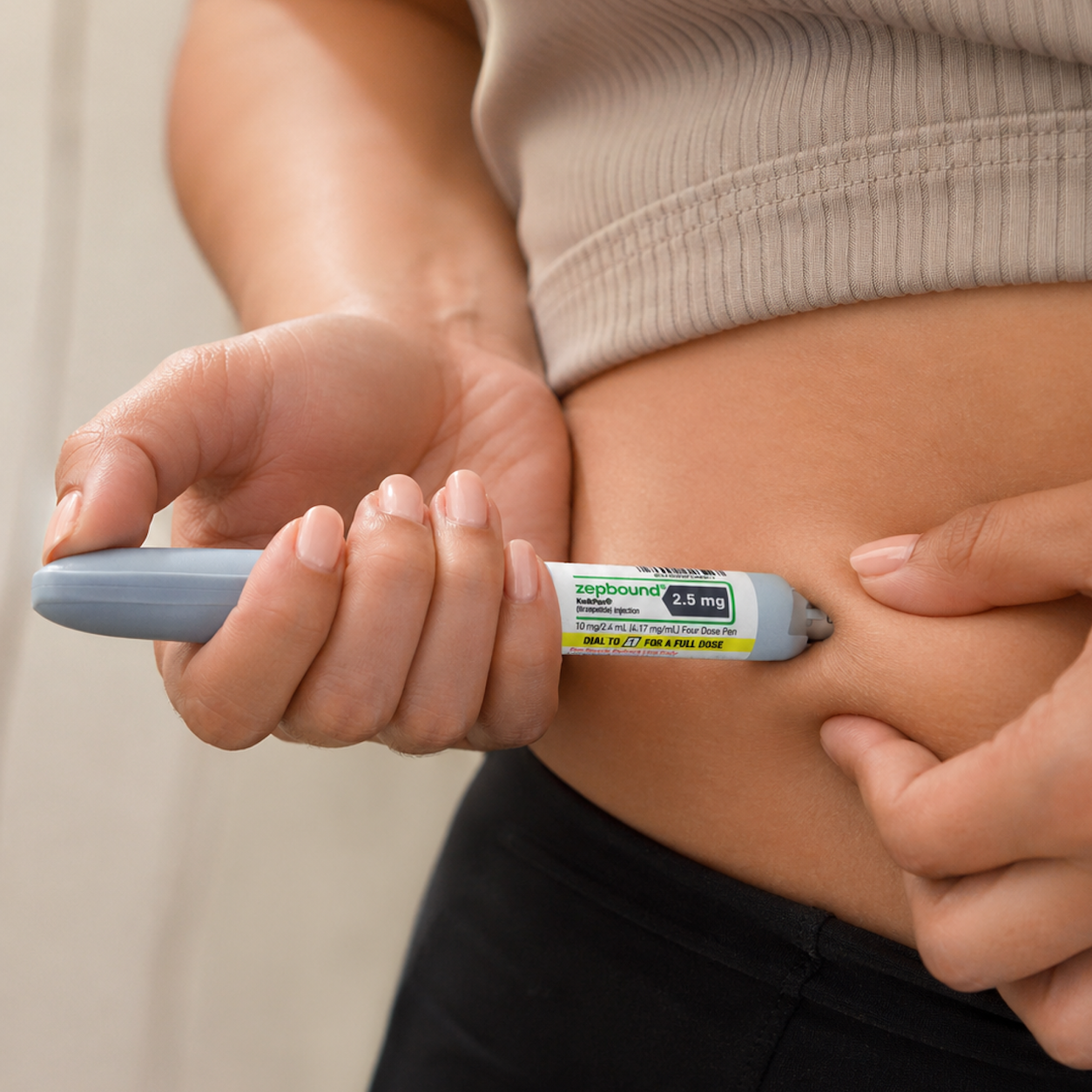
For members using GLP-1 medications or other provider-guided treatment options, group coaching can be helpful because medication is only one part of the journey. Members still need support with nutrition, hydration, strength, side effects, sleep, stress, and long-term habits.
GLP-1 medications may help reduce appetite and food noise for many people, but that change can bring new questions:
- What do I eat when I am not hungry?
- How much protein do I need?
- What if I feel nauseated?
- How do I stay hydrated?
- Should I exercise differently?
- What happens when the scale slows down?
- How do I think about maintenance?
A group coaching space gives members a place to hear practical strategies and feel less alone in those questions. One member may share that small meals helped with nausea. Another may talk about using a water bottle with time markers. Someone else may explain how they restarted walking after a low-energy week.
These are not medical instructions, and they should not replace provider guidance. But they can give members real-world ideas to discuss with their Health Coach or provider.
What members can expect
A group health coaching session should feel welcoming, not intimidating. Members do not need to have a big success story to attend. They do not need to turn on their camera if that feels uncomfortable. They do not need to share before they are ready.
Members can come to:
- Celebrate a win
- Ask a question
- Hear what is working for others
- Get ideas for the week
- Reset after a hard few days
- Feel connected to people on a similar path
Progress doesn't have to be dramatic to matter. A member might say, “I finally drank water before coffee.” Another might say, “I walked twice this week.” Someone else might say, “I had a tough week, but I am still here.” All of those count.
Accountability without shame
Accountability sometimes gets a bad reputation because people associate it with pressure, guilt, or being called out. That is not what supportive health coaching should feel like.
Healthy accountability sounds more like:
- “What is one thing you want to try before next week?”
- “What got in the way?”
- “What would make that easier?”
- “What support do you need?”
- “What is already working?”
This kind of accountability helps members stay connected to their goals without feeling judged. It also supports autonomy, which means the member remains in charge of their choices.
Motivational interviewing, a counseling style often used in health behavior change, is built around collaboration, compassion, and helping people explore their own reasons for change. A systematic review on motivational interviewing for weight loss found that some studies showed significant weight loss compared with control groups, while results varied across interventions (Barnes & Ivezaj, 2015).
The power of small wins
One of the most valuable parts of group coaching is celebrating small wins. A win might be eating protein at breakfast, logging a weight entry, drinking more water, taking a walk, sleeping better, asking for help, attending coaching, noticing fullness sooner, or getting back on track after a hard day.
Small wins build identity. Over time, a member may start to think, “I am someone who keeps showing up for my health.” At Shed, we want members to feel like they are building a life that feels better, not just following rules.
Join Shed’s Wednesday Wins
Shed members are invited to join Wednesday Wins each week. This quick 30-minute group support session gives members space to celebrate progress, ask questions, and connect with others.
You do not need a huge win to attend. Drinking more water, getting in a walk, logging your weight, asking for help, or simply staying consistent all count. Cameras can be on or off, and there is no pressure to share.
Choose one Wednesday session:
Option 1:
9:00 a.m. Pacific / 10:00 a.m. Mountain / 11:00 a.m. Central / 12:00 p.m. Eastern
Join here
Dial in: +1 501-697-9512
PIN: 361 392 504#
Option 2:
1:00 p.m. Pacific / 2:00 p.m. Mountain / 3:00 p.m. Central / 4:00 p.m. Eastern
Join here
Dial in: +1 904-323-0150
PIN: 967 259 374#
Come as you are. Celebrate a win, listen in, or simply be part of the community. Your health journey belongs to you, but you are not alone.
Frequently asked questions about group health coaching
Is group health coaching the same as therapy?
No. Group health coaching is not therapy and does not diagnose or treat mental health conditions. Coaching focuses on goals, habits, support, accountability, and practical next steps.
Do I have to talk during group coaching?
No. You can share, ask a question, listen, or simply attend for support. You don’t even have to turn on your camera!
Can group coaching replace my provider or the Member Success Team?
No. Group coaching does not replace medical care. Medication questions, dose questions, medical symptoms, and concerning side effects should be directed to your provider or the Member Success Team.
What counts as a win?
Any step that supports your health counts: drinking more water, eating enough protein, walking, sleeping better, tracking progress, attending coaching, asking a question, or getting back on track after a hard week.
Sources
Centers for Disease Control and Prevention. About the Lifestyle Change Program
Boehmer, K. R. et al. The impact of health and wellness coaching on patient-important outcomes in chronic illness care: A systematic review and meta-analysis
Almulhim, A. N. et al. Behavioural Change Techniques in Health Coaching-Based Interventions for Type 2 Diabetes: A Systematic Review and Meta-Analysis
Burke, L. E. et al. Self-Monitoring in Weight Loss: A Systematic Review of the Literature
Barnes, R. D., & Ivezaj, V. A systematic review of motivational interviewing for weight loss among adults in primary care
This content is for informational purposes only and is not medical advice. Consult a licensed healthcare provider before starting or changing any medication. Medication is prescribed only after consultation with a licensed provider to determine appropriateness.