


.svg)


PCOS hair loss can feel especially confusing. You may notice a wider part or less volume at the crown while also dealing with unwanted hair growth elsewhere. Both changes can be connected to the same group of hormones.
Polycystic ovary syndrome, commonly called PCOS, can affect ovulation, metabolism, insulin response, and androgen levels. Higher androgen activity or greater follicle sensitivity can shorten the hair growth cycle and gradually produce finer strands.
Hair loss has many possible causes, so a proper evaluation matters. Identifying the type of hair loss can help you choose a treatment that fits your health and pregnancy plans.
What Does PCOS Hair Loss Look Like?
PCOS is commonly associated with female pattern hair loss. This type of thinning usually develops gradually and may include:
- A widening center part
- Reduced density on top of the scalp
- Thinning near the crown
- A smaller ponytail
- More visible scalp
The front hairline often remains in place. Smooth bald patches, pain, significant itching, redness, or scarring may point to another condition and should be examined by a dermatologist.
Why Does PCOS Cause Hair Loss?
Testosterone and related androgens can interact with genetically sensitive follicles, which may gradually produce shorter and finer strands.
PCOS can also involve insulin resistance. Higher insulin may encourage androgen production and reduce a hormone carrying protein called sex hormone binding globulin.
Expected hormone results don't rule out follicle sensitivity. SHED's article about PCOS and metabolic health explains how insulin and androgens connect with PCOS symptoms.
Is All Hair Loss With PCOS Hormonal?
Iron deficiency, thyroid disease, rapid weight loss, inadequate protein, illness, stress, postpartum changes, medications, and tight hairstyles can also contribute.
Stress, illness, and weight changes can trigger temporary shedding called telogen effluvium, which often appears months after the trigger.
SHED's guide to common causes of hair loss explains how hormones, nutrition, stress, and genetics affect the hair cycle.
Can Hair Loss From PCOS Grow Back?
PCOS related thinning may improve with early, consistent treatment. Improvement may appear as less shedding, short new hairs along the part, or gradually greater density. Continued treatment is often needed to maintain progress.
How Is PCOS Hair Loss Diagnosed?
A provider may review your hair loss pattern, menstrual cycle, medications, nutrition, family history, and recent stressors. A close scalp examination can reveal changes in strand size.
Testing may include thyroid function, iron stores, blood counts, vitamins, and hormone markers. Your provider may also evaluate acne, irregular periods, facial hair, fertility concerns, or insulin resistance.
Bring progress photos, a medication list, and a timeline of when shedding started.
PCOS Hair Loss Treatment Options
Treatment may address the follicle along with the hormonal or metabolic factors contributing to thinning. Your plan will depend on your diagnosis, medical history, and pregnancy goals.
Minoxidil
Topical minoxidil is FDA approved for female pattern hair loss and can extend the active growth phase.
Temporary shedding can occur during the first several weeks. A fair evaluation may take six to twelve months.
Oral minoxidil may be prescribed off label. Possible side effects include facial hair, swelling, lightheadedness, and blood pressure or heart rate changes.
Spironolactone
Spironolactone can reduce androgen effects at the follicle and may be considered when acne or unwanted facial hair is also present.
Possible side effects include dizziness, menstrual changes, and increased urination. Monitoring may be needed. Spironolactone can harm a pregnancy, so discuss birth control and pregnancy plans with your provider.
Hormonal and metabolic care
Your clinician may discuss hormonal birth control, insulin resistance treatment, nutrition, movement, sleep, and weight management based on your goals.
Metformin may address metabolic features of PCOS, but it isn't a direct hair growth treatment.
Nutrition and hair care
Hair growth requires protein, iron, zinc, and other nutrients. Supplements are most useful for a confirmed deficiency. Biotin can interfere with laboratory tests, so tell your provider you're taking it.
Avoid restrictive diets, rapid weight loss, tight styles, excessive heat, and harsh chemical processing to reduce extra shedding and breakage.
Hair Treatment Options Through SHED
SHED offers women's hair solutions after a licensed provider reviews your history and goals.
The Women's 3 in 1 Hair Tablet combines minoxidil, spironolactone, and biotin in a once daily compounded formula. It may be considered for hormonal contributors to thinning when a provider determines the ingredients are appropriate.
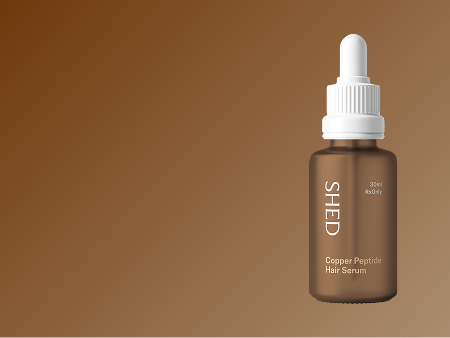
The Women's 5 in 1 Hair Serum is a topical compounded formula containing minoxidil and supporting ingredients. SHED also offers a Copper Peptide Hair Serum for scalp support.
Compounded medications aren't reviewed or approved by the FDA for safety or effectiveness. A provider can compare topical and oral options, review possible side effects, and account for pregnancy plans.
How Long Does PCOS Hair Loss Treatment Take?
You may notice reduced shedding within a few months, but visible density changes usually take longer. Minoxidil may require six to twelve months for a fair evaluation.
Take photos every four weeks using consistent lighting. Contact your provider if shedding becomes severe or side effects develop.
When Should You See a Doctor?
Schedule an evaluation for sudden, patchy, or painful loss, especially with redness, scaling, or scarring. Also seek care for irregular periods, new facial hair, severe acne, fatigue, or fertility concerns.
Early evaluation matters because some types of hair loss become harder to reverse over time.
Frequently Asked Questions About PCOS Hair Loss
Does PCOS hair loss mean testosterone is high?
Some people with PCOS have elevated androgen markers. Others have expected blood results and follicles that are especially sensitive to androgens. A provider can interpret laboratory results alongside your symptoms.
Will balancing hormones stop PCOS hair loss?
Hormone management may reduce one contributor, but the follicle may still need targeted care. Many plans combine PCOS treatment with minoxidil or another hair focused therapy.
What is the best treatment for PCOS hair loss?
The right treatment depends on the cause. Topical minoxidil is a common first option for female pattern hair loss. Spironolactone or another prescription may be considered when androgen activity is involved.
Can you use hair loss medication while trying to conceive?
Some common hair loss medications are unsafe during pregnancy or aren't recommended while trying to conceive. Tell your provider about your plans before starting any oral or topical treatment.
Get Support for PCOS Related Hair Thinning
PCOS hair loss may improve when treatment starts early and addresses the cause. Your plan may include medication, androgen management, metabolic care, nutrition, and gentle hair practices.
Learn more about women's hair restoration through SHED and connect with a licensed provider to discuss your symptoms and goals.
This content is for educational purposes and does not replace advice from a qualified healthcare professional. Compounded medications are not approved or evaluated by the FDA. Individual results may vary. Consult your provider before starting or changing a medication.