
.svg)


The simplest explanation is that NMN is a building block your body can use to create NAD+. NAD+ is the finished coenzyme your cells rely on to help turn nutrients into energy, support DNA repair, and regulate several metabolic pathways.
When comparing NMN vs NAD, consider the delivery method, level of clinical support, and your personal health goals.
What Is NAD?
NAD stands for nicotinamide adenine dinucleotide. It is a coenzyme found in every cell in your body. A coenzyme helps enzymes complete important chemical reactions, including the reactions that create cellular energy.
NAD+ helps your mitochondria produce ATP, the energy your cells use to function.
NAD+ also supports enzymes involved in DNA maintenance, cellular stress responses, and metabolic regulation. Your body naturally makes and recycles it, but NAD+ availability can change with age, sleep, activity, alcohol use, inflammation, and other factors.
You can explore these functions in greater detail in SHED's guide to what NAD is and how to support healthy levels.
What Is NMN?
NMN stands for nicotinamide mononucleotide. It is a naturally occurring molecule and one of the precursors your body can use to produce NAD+.
After NMN enters the NAD+ production pathway, enzymes convert it into NAD+. Researchers are studying oral NMN supplements as one way to support NAD+ levels.
Small human trials suggest that oral NMN can increase NAD related markers in the blood. Some studies have explored possible effects on insulin sensitivity, physical performance, and fatigue. Results across health outcomes remain mixed, and larger, longer studies are still needed.
NMN vs NAD: What Is the Main Difference?
The biggest difference between NMN and NAD is their role in the body. NMN is a precursor. NAD+ is the coenzyme produced at the end of the pathway.
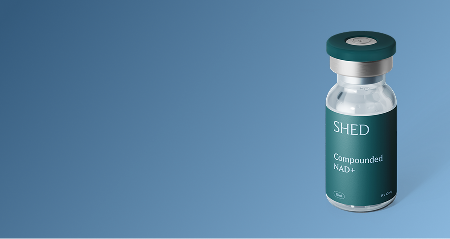
Oral NMN relies on digestion, absorption, metabolism, and conversion before it contributes to the body's NAD+ pool. NAD+ products deliver the coenzyme itself through a specific formulation and route. SHED offers compounded NAD+ in injectable, nasal spray, and oral tablet forms following a consultation with a licensed provider.
NMN is commonly sold as a dietary supplement for regular oral use. Compounded NAD+ may involve personalized dosing, a prescription, and ongoing medical support. SHED's article on NAD+ decline and ways to support your levels explains how lifestyle and age can affect this cycle.
Potential Benefits of NMN
Most interest in NMN comes from its role as an NAD+ precursor. Research suggests NMN supplementation can raise blood NAD+ levels, although the amount and timing can vary by dose, study population, and measurement method.
Researchers are also studying NMN for possible support in several areas:
- Cellular energy production
- Glucose metabolism
- Muscle function and exercise capacity
- Healthy aging pathways
These are active areas of research. Many human trials have been small and short, so a higher blood marker doesn't guarantee a noticeable change in energy, performance, or long term health.
Potential Benefits of NAD+
NAD+ plays a confirmed role in normal cellular energy production, metabolic reactions, DNA maintenance, and cell signaling. Products designed to support NAD+ levels are being studied for their possible effects on energy, focus, recovery, and healthy aging.
People respond differently to NAD+ treatment. Clinical research has yet to establish that raising NAD+ extends human lifespan or prevents age related disease.
Low energy has many possible causes, including sleep disorders, anemia, thyroid conditions, stress, and medication effects. SHED's article about NAD+ and cellular energy explains why a broader health review can be helpful.
Is NMN or NAD Better Absorbed?
Absorption is more complicated than choosing the smaller or more direct molecule. Oral NMN must move through the digestive system and be metabolized before it contributes to NAD+ production. Human studies show that oral NMN can raise blood NAD related metabolites, confirming biological activity.
Direct NAD+ products come in multiple forms. Injections avoid digestion, nasal sprays use nasal tissue, and oral tablets pass through the digestive system. Formulation, dose, and individual biology can affect the experience.
Blood levels also tell only part of the story. Researchers are still working to understand how increases in circulating NAD+ or related metabolites translate into specific effects inside different tissues.
NMN vs NAD: Which One Should You Choose?
The right choice depends on your goals, preferred format, medical history, and comfort with provider guided care.
NMN may appeal to someone seeking an oral precursor supplement. Look for clear dosing, reliable manufacturing standards, and independent testing.
Provider guided NAD+ offers personalized recommendations and access to injectable, nasal, or oral options. A clinician can review your health history, potential risks, and expectations.
Neither option replaces consistent sleep, regular movement, balanced nutrition, or medical care for an underlying cause of fatigue. Those habits support the same cellular systems that NAD+ depends on.
Safety Considerations for NMN and NAD+
Short human studies have generally found NMN to be well tolerated, but long term safety data are limited. Supplements can also vary in purity, strength, and labeling accuracy.
Possible reactions to NAD+ treatment can include warmth, flushing, nausea, headache, or lightheadedness. Your experience can depend on the formulation and dose. Talk with a qualified provider before using NMN or NAD+, especially if you're pregnant, breastfeeding, managing a chronic condition, receiving cancer treatment, or taking prescription medications.
Frequently Asked Questions About NMN vs NAD
Does NMN turn into NAD+?
Yes. NMN is an intermediate molecule that the body can convert into NAD+ through enzymatic reactions.
Can you take NMN and NAD+ together?
Combining products may create unnecessary overlap. A healthcare provider can review the ingredients, doses, and delivery methods before you add multiple products that affect the same pathway.
Is NMN the same as NR?
No. NMN and nicotinamide riboside are separate NAD+ precursors. Both can contribute to NAD+ production through related metabolic pathways, and both are being studied in humans.
How quickly do NMN or NAD+ products work?
Timing varies by formulation, dose, and individual response. Changes in blood markers can occur before a person notices any difference in how they feel. Some people may notice no clear subjective change.
Explore NAD+ Support With SHED
The NMN vs NAD comparison becomes easier once you know how they're connected. NMN supplies a precursor your body can use to make NAD+. NAD+ is the coenzyme your cells use in energy metabolism, repair pathways, and cellular signaling.
Both approaches are still being studied for their broader wellness and healthy aging effects. Clear expectations and professional guidance can help you make a more informed choice. If you're interested in personalized support, explore NAD+ treatment through SHED, including injectable, nasal spray, and oral tablet options reviewed by a licensed provider.
This content is for educational purposes and does not replace advice from a qualified healthcare professional. Compounded medications are not approved or evaluated by the FDA. Individual results may vary. Consult your provider before starting or changing a medication or supplement.